
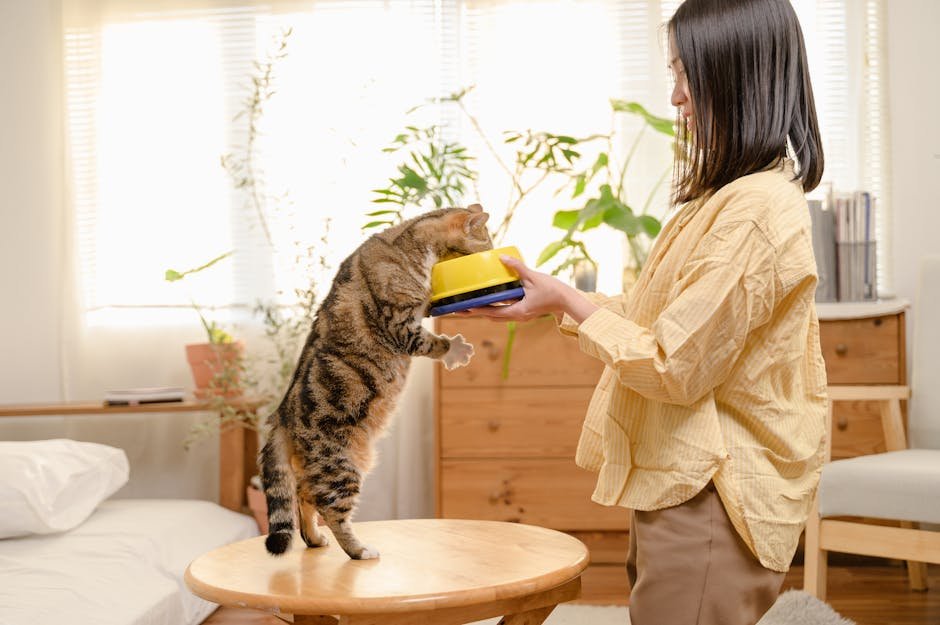
Picture this: you catch your dog sneaking bites from your cat’s food bowl—again. It’s a common scene in many pet-loving homes, but have you ever wondered, is cat food bad for dogs to eat? While your dog might seem eager for a taste of feline cuisine, the truth is that cat food and dog food are formulated very differently. This article dives deep into the reasons behind these differences, explores whether occasional snacking is really harmful, and highlights the pros and cons of dogs eating cat food. We’ll also share real-life examples, actionable advice, and answers to common questions so you can keep both your cat and dog healthy and happy.
Understanding whether cat food is safe or risky for your dog isn’t just about avoiding a few tummy rumbles. The nutritional needs of cats and dogs are uniquely tailored, and feeding the wrong food can have immediate and long-term effects. Throughout this guide, we’ll break down the science, bust some myths, and help you decide what’s best for your furry companions. So, let’s settle the debate: is cat food bad for dogs to eat, or is it just another harmless pet quirk?
Is Cat Food Bad for Dogs to Eat? Understanding the Core Differences
The question “is cat food bad for dogs to eat” starts with recognizing the fundamental nutritional differences between cats and dogs. Cats are obligate carnivores—they require a diet high in protein and certain amino acids only found in animal tissues. Dogs, on the other hand, are omnivores and thrive on a more balanced mix of proteins, carbohydrates, and fats.
Key Nutritional Contrasts
- Protein Content: Cat food typically contains higher levels of protein than dog food. While this isn’t immediately toxic to dogs, it can strain their kidneys over time if consumed regularly.
- Fat Levels: Cat food is often higher in fat, which can lead to unhealthy weight gain and digestive upset in dogs.
- Vitamins and Minerals: Cat food includes nutrients like taurine and arachidonic acid, essential for cats but not for dogs. Dogs eating cat food may miss out on nutrients specific to their needs, like vitamin A derived from plant sources.
Real-World Example: The Sneaky Snacker
If your dog occasionally grabs a few bites of cat food, it’s unlikely to cause harm. However, if your dog regularly eats cat food, you may notice signs such as weight gain, diarrhea, or even vomiting. In severe cases, especially with dogs already prone to health issues, the consequences can be more serious.
Pros and Cons: Is Cat Food Bad for Dogs to Eat on a Regular Basis?
To help you weigh the options, here’s a detailed look at the pros and cons when a dog eats cat food, especially over the long term.
| Aspect | Cat Food for Dogs | Dog Food for Dogs |
|---|---|---|
| Protein Content | High (may overtax kidneys) | Balanced for dog health |
| Fat Content | High (risk of obesity, pancreatitis) | Moderate and species-appropriate |
| Essential Nutrients | Taurine, arachidonic acid (not required by dogs) | Vitamin A, plant-based nutrients (needed by dogs) |
| Palatability | Very tasty, dogs love it | Moderately appealing |
| Digestibility | May cause upset stomach | Formulated for easy digestion |
| Long-Term Health Effects | Risk of weight gain, GI issues, nutritional deficiencies | Supports overall well-being |
Pros of Dogs Eating Cat Food
- High Palatability: Cat food is often more appealing to dogs due to its rich aroma and taste.
- Emergency Substitute: If you run out of dog food, a small amount of cat food can serve as a temporary solution.
Cons of Dogs Eating Cat Food
- Digestive Upset: Dogs may experience vomiting, diarrhea, or flatulence after eating cat food.
- Weight Gain: The higher fat and calorie content can quickly lead to obesity.
- Pancreatitis Risk: Some dogs are especially sensitive to high-fat diets and may develop pancreatitis, a painful and potentially life-threatening condition.
- Nutritional Imbalances: Dogs may miss out on essential nutrients not present in cat food, leading to deficiencies over time.
Case Study: When Cat Food Becomes a Problem
Consider the case of Max, a beagle who regularly snacked on his feline housemate’s food. Over several months, Max gained weight and became lethargic. After a trip to the vet, it was discovered that Max had developed mild pancreatitis, likely triggered by the high fat content in the cat food. Fortunately, with dietary changes and medication, Max recovered—but his story is a reminder that the risks are real.
When Is Cat Food Bad for Dogs to Eat? Situations to Watch Out For
There are specific scenarios where cat food can be especially harmful to dogs. Understanding these can help you prevent accidents and keep your pets safe.
Dogs with Pre-Existing Health Issues
- Obesity: Dogs that are already overweight are at greater risk of health complications if they consume calorie-dense cat food.
- Kidney or Liver Disease: High protein and fat levels can worsen these conditions.
- Pancreatitis: Dogs with a history of pancreatitis should never eat cat food due to the risk of relapse.
Puppies and Senior Dogs
Young puppies and older dogs have unique nutritional needs. Feeding them cat food, even occasionally, can disrupt their growth or exacerbate age-related health problems.
Multi-Pet Households: Practical Tips
- Feed cats and dogs in separate rooms to prevent food theft.
- Supervise mealtimes and remove leftover food promptly.
- Consider elevated cat feeding stations that are out of reach for dogs.
What Happens If My Dog Eats Cat Food Once?
Accidents happen, and many dog owners worry after a single incident. In most cases, if your dog eats cat food once, you may see mild digestive upset such as loose stools or stomach rumbling. Serious reactions are rare unless your dog has underlying health problems or eats a large amount.
Monitor your dog for symptoms like vomiting, diarrhea, lethargy, or refusal to eat. If these occur or persist, contact your veterinarian for advice. For most healthy dogs, a single slip-up isn’t cause for panic but should serve as a reminder to be vigilant.
How to Prevent Your Dog from Eating Cat Food
Prevention is the best way to avoid the question, “is cat food bad for dogs to eat?” Here are actionable steps you can take:
- Feed pets separately: Designate different feeding areas and times for your dog and cat.
- Use pet gates or barriers: Block off areas where cat food is kept.
- Elevate cat bowls: Place cat food on high surfaces inaccessible to your dog.
- Clean up promptly: Remove uneaten cat food as soon as your cat finishes eating.
- Train your dog: Use positive reinforcement to discourage interest in the cat’s food bowl.
Implementing these strategies can help maintain a healthy balance in your home and keep both pets thriving.
Frequently Asked Questions
Is cat food toxic to dogs?
Cat food is not inherently toxic to dogs, but it is not formulated for their nutritional needs. Regular consumption can lead to health issues such as obesity and digestive problems.
What should I do if my dog eats cat food?
If your dog eats a small amount of cat food, monitor them for any signs of digestive upset. Contact your veterinarian if symptoms like vomiting, diarrhea, or lethargy occur or persist.
Can puppies eat cat food safely?
Puppies should not eat cat food, as their developing bodies require precise nutrition. Cat food can disrupt growth and lead to imbalances that affect long-term health.
Why do dogs like cat food so much?
Cat food is richer in protein and fat, making it more flavorful and aromatic to dogs. This heightened taste appeal often draws dogs to the cat’s food bowl.
Are certain breeds more sensitive to cat food?
Breeds prone to obesity or pancreatitis, such as dachshunds and schnauzers, are especially sensitive to the high fat content in cat food. Owners of these breeds should be extra cautious.
Is wet cat food worse for dogs than dry cat food?
Wet cat food is often higher in fat and calories than dry cat food, making it potentially more problematic for dogs. Both types, however, are not recommended for regular feeding.
Can I use cat food as a treat for my dog?
While a tiny amount as an occasional treat is unlikely to harm most dogs, it’s best to stick with dog-specific treats. Regularly using cat food as a treat can encourage bad habits and nutritional imbalances.
Conclusion
Deciding whether is cat food bad for dogs to eat comes down to understanding the nutritional needs of both pets and the potential risks involved. While an occasional nibble is unlikely to harm a healthy dog, regular consumption can lead to digestive upset, weight gain, and even serious health issues such as pancreatitis or nutritional deficiencies. The key differences in protein, fat, and essential nutrients mean that cat food simply isn’t a suitable long-term diet for dogs.
For multi-pet households, proactive measures like separate feeding areas and vigilant supervision are vital to prevent food theft. Always consult with your veterinarian if you’re concerned about your dog’s eating habits or if they show signs of illness after consuming cat food. Remember, it’s easier to prevent problems than to treat them after they arise.
Your pets rely on you to make the best choices for their health and happiness. By understanding the risks and taking practical steps to keep their diets separate, you can ensure that both your dog and cat get the nutrition they need. If you’re ever unsure or facing persistent issues, reach out to a veterinary professional for guidance tailored to your pets.
Ultimately, keeping your dog away from cat food is a simple step that can make a big difference in their overall well-being. Take action today to create a safer and healthier environment for all your furry friends.