
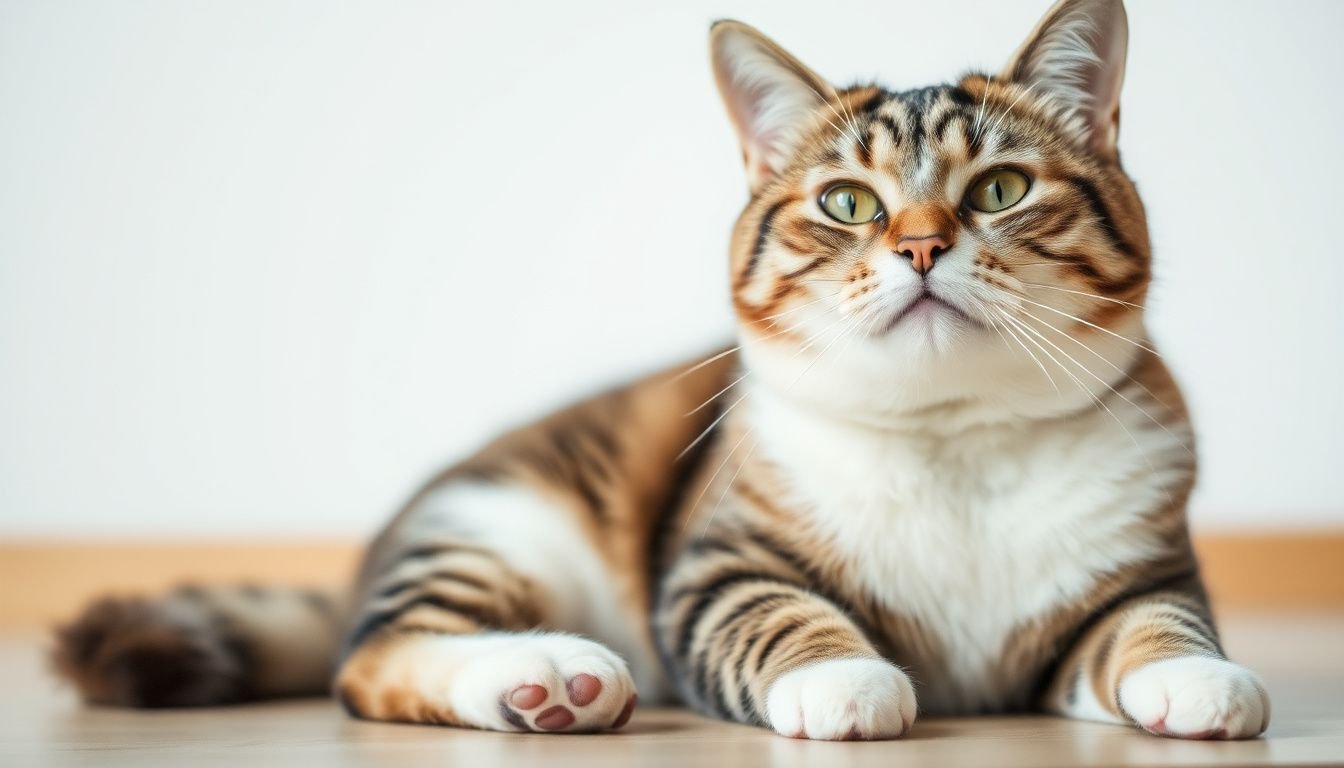
If your cat’s stomach feels hard, it is often a sign of underlying issues ranging from mild digestive upset to serious medical emergencies, requiring prompt attention.
Discovering that your cat’s stomach feels hard can be an alarming experience for any pet owner. While a firm abdomen might sometimes indicate nothing more than a full meal or a minor bout of gas, it frequently signals more significant health concerns that demand your immediate attention. Understanding why is my cat stomach hard is crucial for differentiating between a benign issue and a potentially life-threatening condition, ensuring your beloved feline companion receives the care they need without delay.
This comprehensive guide will walk you through the various reasons behind a hard feline abdomen, from common digestive problems to critical internal diseases. You’ll learn about the accompanying symptoms to watch for, understand when a veterinary visit is essential, and explore the diagnostic and treatment options available. By the end of this article, you will be equipped with the knowledge to better assess your cat’s condition and act proactively to protect their health.
Decoding Your Cat’s Abdomen: What “Hard” Really Means and Why is My Cat Stomach Hard?
A healthy cat’s abdomen should feel soft and pliable when gently palpated. It should give slightly under your fingers, indicating normal muscle tone and the absence of swelling or tension. When a cat’s stomach feels hard, it suggests an abnormal rigidity or distension that can stem from various internal processes. This hardness can be localized to one area or encompass the entire abdomen, and its nature often provides clues to the underlying cause.
Several factors can contribute to this concerning symptom. For instance, a cat that has recently eaten a large meal might have a temporarily firm stomach, but this should resolve quickly. However, persistent hardness, especially when accompanied by other symptoms like pain, lethargy, or changes in appetite, points towards a more serious issue. Owners often wonder, “why is my cat stomach hard?” and the answer is rarely simple, necessitating a closer look at potential culprits.
Common Digestive & Dietary Reasons: Unraveling the Mystery of a Hard Cat Stomach
Digestive issues are among the most frequent reasons your cat’s stomach might feel hard. These problems can range from relatively benign to moderately concerning, often requiring dietary adjustments or simple treatments. Identifying these early can prevent more severe complications and alleviate your cat’s discomfort.
- Constipation: One of the leading causes of a hard abdomen is severe constipation. When a cat struggles to pass stool, feces can accumulate in the colon, leading to a firm, often painful, lower abdomen. Symptoms typically include straining in the litter box, infrequent bowel movements, and passing small, hard stools. Dehydration and a lack of fiber in the diet are common contributors.
- Bloating and Gas: Just like humans, cats can experience bloating and gas accumulation in their digestive tract. This can make their stomach feel distended and hard. Rapid eating, dietary changes, or certain food sensitivities can lead to excessive gas production. While often temporary, persistent bloating can be a sign of underlying digestive upset or even a blockage.
- Dietary Indiscretion or Intolerance: If your cat consumes something unusual, like human food scraps or plants, it can lead to digestive upset, inflammation, and a hard stomach. Similarly, food intolerances or allergies can cause chronic inflammation and a distended, firm abdomen. Observing what your cat eats is crucial for pinpointing these issues.
Addressing these digestive concerns often involves adjusting your cat’s diet, ensuring adequate hydration, and sometimes administering mild laxatives under veterinary guidance. However, if symptoms persist or worsen, professional intervention is always recommended to rule out more serious conditions.
Serious Medical Conditions: Critical Answers to “Why is My Cat Stomach Hard?”
While digestive issues are common, a hard stomach can also be a symptom of severe, life-threatening medical conditions. These conditions demand immediate veterinary attention, as early diagnosis and treatment can significantly improve your cat’s prognosis. It’s imperative not to delay seeking help if you suspect any of these serious causes.
Fluid Accumulation (Ascites)
Ascites refers to the buildup of fluid in the abdominal cavity, which can make the stomach feel hard and distended. This fluid accumulation isn’t a disease itself but a symptom of various underlying problems, including:
- Heart Disease: Conditions like congestive heart failure can lead to fluid retention, including in the abdomen.
- Liver Disease: A compromised liver may fail to produce essential proteins, leading to fluid leakage into the abdomen.
- Kidney Disease: Advanced kidney failure can also contribute to fluid imbalances and ascites.
- Feline Infectious Peritonitis (FIP): This viral disease, particularly its “wet” form, is notorious for causing significant abdominal fluid accumulation. FIP is a serious and often fatal condition, making early diagnosis critical.
Cats with ascites often show other signs such as lethargy, loss of appetite, difficulty breathing, and general weakness. A vet can diagnose ascites through physical examination, ultrasound, and fluid analysis.
Organ Enlargement or Tumors
An enlarged organ or the presence of a tumor can cause a localized or generalized hardening of the abdomen. This is particularly concerning as tumors can be benign or malignant.
- Splenic Enlargement: The spleen can become enlarged due to infection, inflammation, or cancer.
- Kidney Enlargement: Conditions like polycystic kidney disease or kidney tumors can cause the kidneys to swell.
- Liver Enlargement: Various liver diseases, infections, or tumors can lead to an enlarged liver.
- Abdominal Tumors: Cancers affecting the intestines, lymph nodes, or other abdominal organs can present as hard masses. These often grow slowly but can cause significant discomfort and other systemic symptoms.
Diagnosis typically involves imaging tests like X-rays and ultrasound, and sometimes biopsies are necessary to determine the nature of the enlargement or mass.
Urinary Tract Obstruction
A urinary blockage, especially in male cats, is a medical emergency. If a cat cannot urinate, urine backs up into the bladder, causing it to become severely distended, firm, and painful. This condition is life-threatening because toxins that would normally be expelled in urine accumulate in the bloodstream.
- Symptoms: Straining to urinate (often mistaken for constipation), frequent trips to the litter box with little to no urine production, vocalization of pain, lethargy, and vomiting.
If you suspect a urinary obstruction, seek immediate veterinary care. This condition can lead to kidney damage and death within 24-48 hours if untreated.
Peritonitis
Peritonitis is the inflammation of the peritoneum, the membrane lining the abdominal cavity. This can be caused by bacterial infection, rupture of an organ (like the bladder or intestines), or trauma. It is an extremely painful and serious condition.
- Symptoms: Severe abdominal pain, fever, lethargy, loss of appetite, vomiting, and a very tense, hard abdomen.
Peritonitis requires aggressive medical and often surgical intervention.
| Condition Type | Common Symptoms | Urgency Level |
|---|---|---|
| Constipation/Gas | Straining, infrequent stools, mild discomfort, bloating | Moderate (Vet if persistent) |
| Fluid Accumulation (Ascites) | Distension, lethargy, difficulty breathing, weight loss | High (Emergency Vet) |
| Organ Enlargement/Tumor | Palpable mass, lethargy, weight loss, vomiting | High (Prompt Vet) |
| Urinary Obstruction | Straining to urinate, vocalizing pain, no urine, lethargy | Critical (Immediate Emergency Vet) |
| Peritonitis | Severe abdominal pain, fever, lethargy, vomiting | Critical (Immediate Emergency Vet) |
When to Act Fast: Crucial Signs Indicating an Emergency
Recognizing when a hard cat stomach constitutes an emergency is paramount. While some causes are minor, others can escalate rapidly. If you observe any of the following symptoms alongside a hard abdomen, do not hesitate to contact your veterinarian or an emergency animal hospital immediately.
- Severe Pain or Discomfort: If your cat cries out when touched, hisses, bites, or exhibits hunched posture, it suggests intense pain.
- Difficulty Breathing: Rapid, shallow, or open-mouthed breathing, or gasping, indicates a severe problem that could be related to fluid buildup impacting lung capacity.
- Persistent Vomiting or Diarrhea: Especially if accompanied by blood, these can lead to rapid dehydration and indicate serious internal issues or blockages.
- Lethargy and Weakness: A sudden and profound decrease in energy levels, reluctance to move, or collapse are red flags.
- Loss of Appetite and Thirst: Refusing to eat or drink for more than 12-24 hours is a serious concern, particularly with other symptoms.
- Straining to Urinate or Defecate with No Production: This is a clear sign of a potential obstruction, which is a critical emergency.
- Pale Gums: Indicates poor circulation or anemia, often associated with internal bleeding or severe illness.
Remember, cats are experts at hiding pain, so any noticeable change in behavior warrants investigation. A proactive approach can be lifesaving.
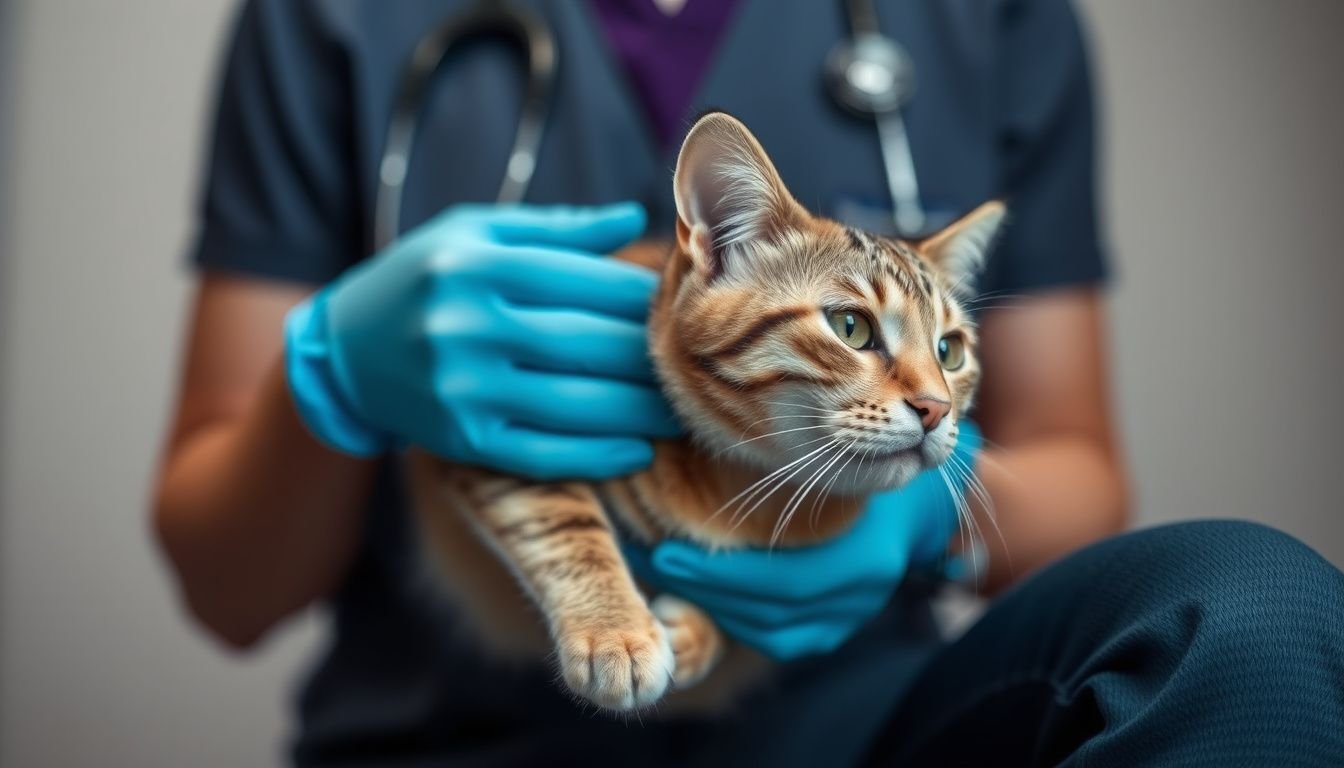
Diagnostic Steps and Treatment Options for a Hard Cat Stomach
When you take your cat to the vet for a hard stomach, the diagnostic process will be thorough to pinpoint the exact cause. The treatment plan will then be tailored specifically to the diagnosis.
Veterinary Examination and Diagnostics
Your veterinarian will start with a comprehensive physical examination, including careful palpation of your cat’s abdomen. They will also ask about your cat’s medical history, diet, recent activities, and any other symptoms you’ve observed. Typical diagnostic tests may include:
- Blood Work: A complete blood count (CBC) and biochemistry panel can reveal infections, inflammation, organ function abnormalities (liver, kidney), and electrolyte imbalances.
- Urinalysis: Checks for urinary tract infections, kidney issues, and crystals that could lead to blockages.
- Fecal Examination: Identifies internal parasites that can cause digestive upset and inflammation.
- X-rays (Radiographs): Can show gas accumulation, fecal impaction, enlarged organs, foreign bodies, and bladder stones.
- Ultrasound: Provides a more detailed view of abdominal organs, allowing for the detection of fluid, masses, tumors, and changes in organ structure. It is excellent for assessing the integrity of the gastrointestinal tract and other soft tissues.
- Abdominocentesis: If fluid is present, a sample may be collected and analyzed to determine its composition, which can help diagnose conditions like FIP or peritonitis.
- Biopsy: In cases of suspected tumors or organ abnormalities, a tissue sample may be taken for histopathology.
Targeted Treatment Approaches
Treatment will vary significantly depending on the diagnosis. Here are some examples:
- For Constipation: Dietary fiber supplements, stool softeners, increased water intake, and sometimes enemas or manual de-obstipation under sedation.
- For Gas/Bloating: Dietary adjustments, anti-gas medications, and addressing underlying food sensitivities.
- For Fluid Accumulation (Ascites): Diuretics to remove fluid, medications to manage heart or liver disease, and specific treatments for FIP if diagnosed.
- For Organ Enlargement/Tumors: Depending on the type and stage, treatment may involve surgery to remove masses, chemotherapy, radiation therapy, or palliative care.
- For Urinary Obstruction: Emergency catheterization to relieve the blockage, intravenous fluids to correct electrolyte imbalances, and medications to relax the urethra. Surgical intervention might be required for recurrent blockages or stones.
- For Peritonitis: Aggressive antibiotics, intravenous fluids, and often exploratory surgery to repair any ruptures and flush the abdominal cavity.
The goal is always to treat the root cause of why your cat’s stomach is hard, not just the symptom.
Preventing Abdominal Hardness: Proactive Care for Your Feline Friend
While not all causes of a hard stomach can be prevented, many can be mitigated through proactive and attentive care. Implementing these strategies can significantly contribute to your cat’s overall digestive health and well-being.
- Balanced Diet: Feed a high-quality, species-appropriate diet that is rich in digestible protein and appropriate fiber levels. Consult your vet for dietary recommendations, especially if your cat has specific sensitivities or health conditions.
- Hydration is Key: Ensure your cat always has access to fresh, clean water. Consider using a feline water fountain, offering wet food, or adding water to dry kibble to increase fluid intake, which is vital for preventing constipation.
- Regular Exercise: Encourage daily play and activity to promote healthy digestion and maintain a healthy weight. Regular movement helps keep the digestive system functioning optimally.
- Parasite Control: Adhere to a strict deworming schedule recommended by your vet. Internal parasites can cause inflammation and digestive upset, contributing to a hard abdomen.
- Routine Veterinary Check-ups: Regular check-ups, typically annually for adult cats and semi-annually for seniors, allow your vet to detect potential issues early. During these visits, your vet can perform abdominal palpation and recommend preventative screenings.
- Monitor Litter Box Habits: Pay attention to your cat’s litter box. Note any changes in frequency, consistency, or volume of urine and stool. Early detection of constipation or straining can prevent more severe problems.
- Stress Reduction: Environmental stress can impact a cat’s digestive health. Provide a calm, secure environment, plenty of enrichment, and consistent routines to minimize anxiety.
By being vigilant and proactive, you can significantly reduce the likelihood of your cat developing a hard stomach due to preventable causes, ensuring a happier, healthier life for your cherished companion.
Frequently Asked Questions
What does a normal cat’s stomach feel like?
A normal cat’s stomach should feel soft and pliable, giving slightly when gently pressed. There should be no signs of tension, distension, or pain upon palpation.
Can stress cause a cat’s stomach to be hard?
While stress itself doesn’t directly cause a hard stomach, it can exacerbate digestive issues like irritable bowel syndrome or constipation, which in turn can lead to a firm abdomen. Stress can also suppress appetite and lead to other health problems.
Is a hard stomach always an emergency for a cat?
Not always, but it’s a significant warning sign. While minor gas or constipation can cause temporary hardness, it can also indicate serious, life-threatening conditions like urinary obstruction, FIP, or internal bleeding. Always consult a vet if it persists or is accompanied by other worrying symptoms.
How can I tell if my cat is in pain from a hard stomach?
Signs of pain include crying out when touched, hissing, biting, hunching, hiding, lethargy, loss of appetite, changes in litter box habits, or unusual aggression. Any deviation from their normal behavior can indicate discomfort.
Can diet changes help if my cat’s stomach is hard due to constipation?
Yes, diet changes can be very effective. Increasing dietary fiber through specific foods or supplements and ensuring adequate hydration (e.g., feeding wet food) can help soften stools and promote regular bowel movements, alleviating constipation-related hardness.
What tests will a vet perform for a hard cat stomach?
A vet will typically perform a physical exam, blood work, urinalysis, and potentially imaging like X-rays or ultrasound. Depending on initial findings, further tests such as fecal exams, fluid analysis, or biopsies might be recommended to determine the underlying cause.
Final Thoughts on why is my cat stomach hard
Understanding why is my cat stomach hard is a critical aspect of responsible pet ownership. From minor digestive upsets like constipation or gas to severe medical emergencies such as urinary obstruction, FIP, or internal tumors, a firm abdomen is a symptom that demands careful attention. Recognizing the accompanying signs, knowing when to act quickly, and seeking professional veterinary care without delay are paramount for your cat’s well-being and potential recovery.
Never underestimate the importance of your observations and instincts. If you notice a hard stomach or any other concerning changes in your cat’s health or behavior, contact your veterinarian immediately. Proactive care, including a balanced diet, proper hydration, regular exercise, and routine check-ups, can prevent many issues and ensure your beloved feline friend enjoys a long, healthy, and comfortable life.