
Best scratching post for cats nails becomes urgent when your sofa corners fray fast. You want a scratch surface cats choose first. You also want safer nail wear, not sharp hooks. Spec details matter here, like sisal weave, cardboard thickness, and how each option mounts.
Best scratching post for cats nails depends on two things. Your cat must like the texture. The build must stay put during hard pulls. Sisal helps with claw shed and grip. Cardboard helps with quick claw wear. Mount style matters in small rooms. You can place a ramp by a couch. You can mount an L pad on a wall. You can also wrap a nail file mat on a post.
| Product | Key Features | Action |
|---|---|---|
|
Check Price on Amazon | |
|
Check Price on Amazon | |
|
Check Price on Amazon | |
|
Check Price on Amazon | |
|
Check Price on Amazon |
SmartyKat Sisal Angle Ramp Cat Scratcher
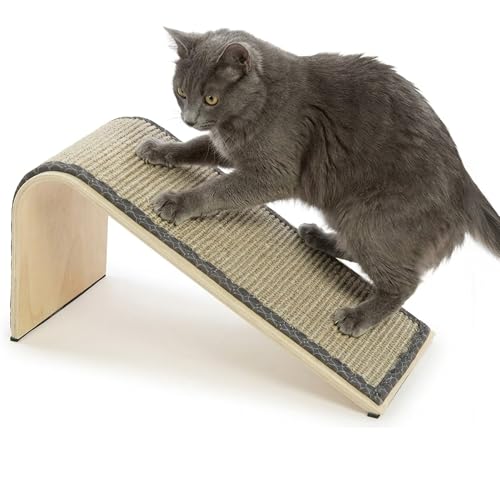
When your cat loves long stretches, a ramp shape helps. This scratcher uses natural woven sisal on a sloped board. The stable wooden structure aims to stop sliding. The included organic catnip helps you guide early use. You can park it by the sofa edge. That placement can redirect claws from fabric seams.
Based on the listed features, woven sisal supports repeated claw catching. Sisal also gives grip for full-body pulls. The wooden base suggests better stability than thin cardboard. The ramp angle can support shoulder and back stretch. That matters for cats that avoid short posts. Specs do not list size. You must judge fit by your space.
Pros
- Natural woven sisal scratching surface
- Wooden structure supports stability
- Ramp angle supports stretching
- Includes 100% organic catnip
- Aims to redirect furniture scratching
Cons
- No dimensions listed in provided specs
- No wall-mount option listed
Why you might look elsewhere: If you need a tall vertical post, this won’t replace it. If your cat only scratches high door frames, the ramp may not match. If you need a travel scratcher, the wood frame can feel bulky to move often.
According to the manufacturer, you sprinkle catnip on the sisal. You then place it near a scratched spot. The ramp shape can sit flat on carpet or hard floors. Sisal can catch loose claw sheaths during pulls. Wood should resist bending under weight shifts. You will still need a stable corner placement if your cat sprints into it.
My Take: You might worry your cat ignores new scratchers. The organic catnip and ramp stretch angle help that transition. Specs also point to stable wood, which reduces tip risk. If you want a simple sisal option near furniture, you should choose it.
FUKUMARU Cat Scratcher L Shape Wall Mounted

Space gets tight fast in cat homes. This L-shaped scratcher tries to solve that. You get a 26.8 x 16.6 x 11.5 inch form that can sit flat. It can also mount as a wall scratcher. The maker lists 1.6 inch cardboard thickness. A ball toy adds a play cue near the scratch zone.
Specification data suggests thick corrugated layers resist quick collapse. L shape gives two scratch angles in one piece. Vertical use can match cats that scratch chair backs. Horizontal use can act as a lounge surface. Materials list non-toxic corrugated paper. Specs do not show mounting hardware details. You may need your own safe wall method.
Pros
- 26.8 inch long scratch area
- L shape supports wall or floor
- 1.6 inch cardboard thickness listed
- Non-toxic, recyclable cardboard materials
- Ball toy adds engagement
Cons
- Mounting method not fully specified
- Cardboard can shed bits
Why you might look elsewhere: If you need zero mess near food bowls, pick sisal instead. Cardboard can drop flakes as claws dig in. If your cat weighs heavily on scratchers, you may want a wood base. If you need a narrow corner unit, the wide L shape may block walkways.
Based on the dimensions, this can span a long wall . You can set it as a low lounge bed. You can also stand it up for vertical scratching. The thick cardboard may slow warping when a cat leans. The ball toy may keep attention near the scratch zone. For renters, wall mounting needs care to avoid damage.
My Take: You might hesitate because cardboard feels temporary. The 1.6 inch thickness and big size suggest better support than thin pads. You also get both wall and floor use in one shape. If you want a flexible layout for best scratching post for cats nails, you should shortlist it.
Cat Nail File Scratcher Wrap Around Post Pad

Some cats shred posts but keep sharp tips. This wrap focuses on nail filing. It combines natural sisal with 80 aluminum oxide grit under a layer design. The pad measures 16.73 x 13.38 inches. You wrap it around a post using hook-and-loop straps. It targets controlled scratching on a known spot.
According to the listed features, the outer sisal layer protects paws. The inner grit layer supports nail wear during scratching. That layered build tries to avoid harsh sand contact. The hook-and-loop straps should hold on round posts. Specs do not list which post diameter fits best. You must measure your post before buying.
Pros
- 80 aluminum oxide grit supports nail filing
- Outer natural sisal layer for scratching feel
- Hook-and-loop straps for wrapping
- 16.73 x 13.38 inch coverage
- Aims to protect furniture and posts
Cons
- Post diameter compatibility not specified
- Plant fiber smell noted in tips
Why you might look elsewhere: If your cat hates textured surfaces, grit may turn them away. If you need a freestanding scratcher, this needs a post. If you want a full-room scratch lounge, this pad stays limited to the wrapped area.
Based on the mounting method, you wrap the pad around a post. The long hook-and-loop straps attach to themselves. Sisal faces outward for familiar claw grip. The grit layer sits under the sisal mesh. That setup can file nails during normal scratching motions. The maker mentions a plant-like smell, so airing out can help.
My Take: You might worry grit feels unsafe. The layer design suggests the sisal buffers direct paw contact. You also keep the scratch habit on an existing post. If you want best scratching post for cats nails behavior without clippers, you should try this wrap.
6pcs 120-grit Cat Nail File Scratching Strips

Small spaces need flat scratch options. These 120-grit sandpaper strips focus on nail filing. You get 6 pieces in 3 sizes. Each strip sticks to clean, smooth surfaces. That helps protect tables, floors, and litter areas. Rounded corners reduce snag risks during play. The cut-to-fit design helps odd spots. This can support your search for the best scratching post for cats nails.
The 120-grit surface targets fine claw abrasion. It should file more than plush fabrics. Adhesive backing drives performance and safety. Weak prep can cause edge lift and peeling. Three sizes let you cover varied scratch zones. Sandpaper can shed grit over time. Expect faster wear with heavy scratchers. Rounded corners should reduce early corner curl.
Pros
- 120-grit files claws more than carpet
- 6 strips cover multiple rooms
- 3 sizes fit different surfaces
- Adhesive backing mounts without tools
- Rounded corners reduce catching and peeling
- Cut-to-fit supports custom placements
Cons
- Adhesive needs clean, smooth surfaces
- Sandpaper can wear faster with aggressive cats
- Not suited for curved furniture legs
Why you might look elsewhere: If your cat loves tall stretching, skip this style. You will miss vertical height and stability. If you need a heavy base for hard pushers, look elsewhere. If your floors have texture, sticking may fail.
Place one strip near sleep spots for quick use. Put another near a problem couch edge. Clean the surface before sticking it down. Press edges firmly to reduce lift. Rotate strips between rooms to keep interest. Use smaller sizes for narrow ledges or shelves. Expect best results on sealed wood, tile, or smooth plastic. Replace strips when grit smooths out.
My Take: You might worry sandpaper feels harsh on paws. The 120-grit aims for controlled filing, not tearing. If you need a low-profile nail file zone, this is a smart add-on. Choose it when flat mounting beats a tower scratcher.
Dansydaisy 4-Pack Sisal Wrap Scratch Mats 11×15

Furniture legs often take the first hit. These sisal wraps turn legs into legal scratch zones. You get 4 pads, each 11 x 15 inches. Hook-and-loop fasteners keep setup simple. The anti-slip design helps reduce sliding during scratching. Natural sisal resists wear from repeated clawing. This approach can support the best scratching post for cats nails goal.
Natural sisal fabric offers strong claw traction and wear resistance. The 11 x 15 size fits many chair legs. Hook-and-loop closure allows quick removal and repositioning. Anti-slip backing helps stability on smooth legs. Nail filing depends on scratch pressure and sisal weave. It should file better than soft cloth. Durability should beat cardboard in humid rooms. Edges may fray with extreme scratchers.
Pros
- 4 pads cover several furniture legs
- Natural sisal resists wear
- 11 x 15 inches fits many legs
- Hook-and-loop fastener installs fast
- Anti-slip design reduces pad movement
- Protects furniture while encouraging scratching
Cons
- Needs a leg or post to wrap
- May not fit very thick legs
- Edges can fray with heavy scratching
Why you might look elsewhere: If you need a freestanding tower, this won’t help. You must have legs or posts to wrap. If your cat avoids furniture areas, interest may stay low. If you need a wide lounge scratch mat, size may feel narrow.
Wrap one pad on the most targeted table leg. Place another near the cat’s main path. Tighten the hook-and-loop to prevent spinning. Rotate pads between legs to spread wear. Sisal texture should encourage repeated clawing. The anti-slip layer should reduce sliding on smooth wood. Use multiple pads to create a scratch route. This helps redirect scratching from couch corners.
My Take: You might hesitate about scratch training on furniture legs. The sisal wrap makes that spot a planned scratch zone. If you want protection and nail filing in one step, this works well. Pick it when you can wrap stable legs and posts.
Buyer Questions
Will a sisal post help reduce nail snagging and sharp tips?
Yes, sisal fibers grab the outer nail sheath well. Regular scratching helps shed old layers. You still need trims for long quicks.
Should you pick cardboard, sisal, or a nail-file scratcher?
Cardboard suits light scratchers and quick interest. Sisal lasts longer and feels like bark. Nail-file pads can smooth tips, but some cats avoid the rough feel.
How do you stop your cat from ignoring the scratcher?
Place it near sleep spots and problem furniture. Add catnip or a toy, then reward use. Keep it stable, since wobble makes cats quit fast.
Where your cat will actually scratch
You want less snagging and fewer couch hits. The best scratching post for cats nails is the SmartyKat Sisal Angle Ramp as Best Overall. You get strong sisal bite and steady footing. If you need wall-mount height, look elsewhere. If your cat hates rough nail-file grit, skip sandpaper pads. Best Budget is the FUKUMARU L-shape cardboard scratcher. It gives a large scratch area and easy daily use. Pick it and place it by the favorite nap spot.