
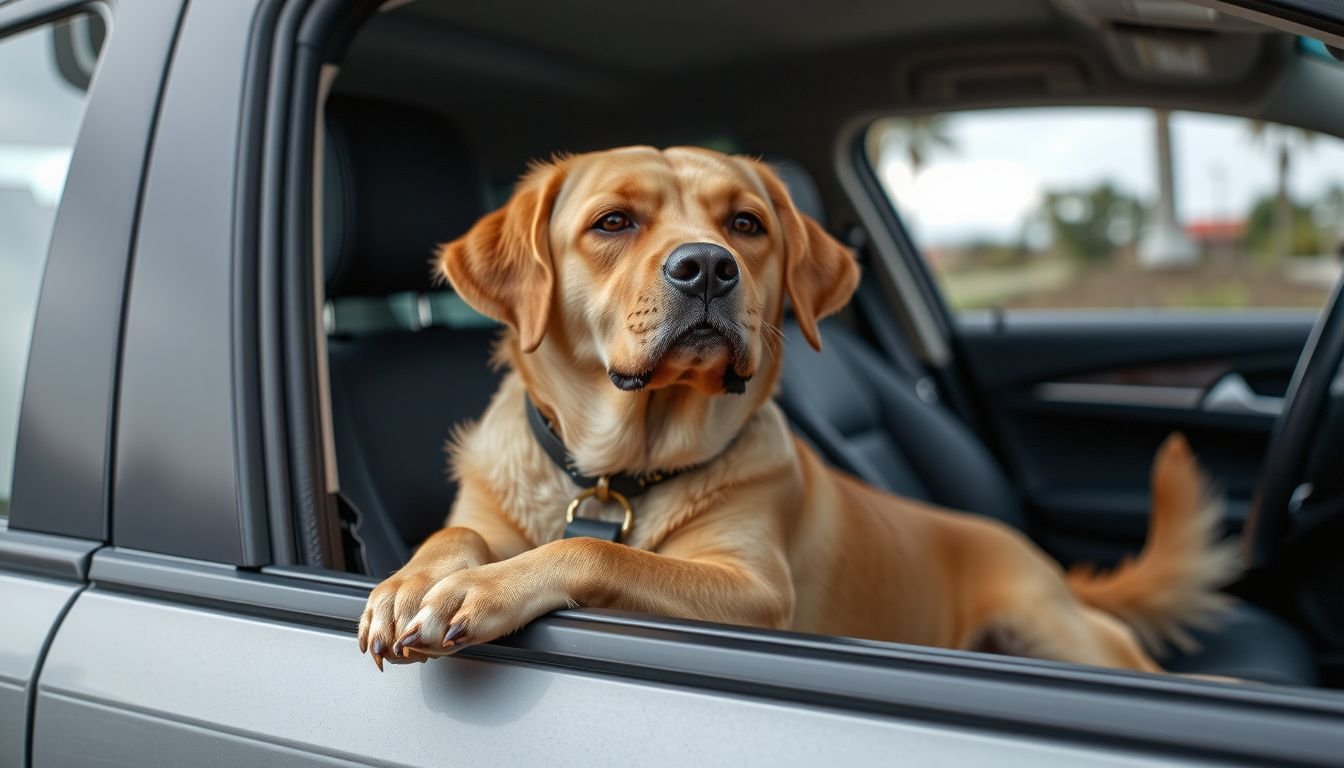
Ever wondered, is it illegal to leave dog in car? It’s a question that comes up more often than you’d think—especially on hot days or quick errands. As a responsible pet owner, you want to do right by your dog and stay on the right side of the law.
Laws and risks aren’t always obvious, and penalties can be severe. Here’s what you need to know, how the rules work, and how to keep your dog—and yourself—out of trouble. Let’s make sure your best friend stays safe, and you avoid any legal surprises.
Read on for clear rules, smart alternatives, and actionable steps.
- Legal Status: Varies by state/city; many have specific laws.
- Temperature Risk: Cars heat up rapidly, even with windows cracked.
- Penalties: Fines, criminal charges, or loss of pet custody possible.
- Alternatives: Bring your dog inside or leave them safely at home.
- Good Samaritan Laws: Some states allow bystanders to rescue distressed pets.
Understanding Laws on Leaving Dogs in Cars
Each state has its own stance on leaving pets unattended in vehicles. Many states, and countless cities, have laws prohibiting leaving a dog in a car if it endangers the animal’s health or safety. Even without a specific statute, you could still face animal cruelty charges if conditions are deemed harmful.
Some regions outline specific situations—such as extreme heat or cold—where leaving a dog is automatically illegal. Others grant officers or bystanders authority to intervene. You’re responsible for knowing the law wherever you park.
Ignorance isn’t accepted as an excuse, and penalties can be harsh if your dog is found in distress.
Why Leaving Your Dog in a Car Is Dangerous
Leaving your dog in a vehicle—even for a few minutes—can be deadly. Cars act like greenhouses, trapping heat and causing temperatures to rise alarmingly fast. A mild 70°F (21°C) day can turn into a 100°F (38°C) oven inside your car within 20 minutes.
Dogs can’t sweat like humans and overheat quickly, putting them at risk for heatstroke, brain damage, or death.
Even cracking the windows offers little protection. It’s a common myth that a quick errand or cloudy day makes it safe. The risk is real, and the consequences can be tragic.
Your dog’s life is worth more than a few moments of convenience.
How Laws Differ by State and Region
Laws vary widely, so what’s legal in one place may carry hefty fines in another. Some states—like California and Arizona—have explicit statutes making it illegal to leave pets in cars under dangerous conditions. Others rely on general animal cruelty laws, which are open to interpretation.
Certain jurisdictions empower law enforcement, animal control, or even the public to act if they see a dog in distress. In some states, breaking a window to save a suffering dog is protected under so-called “Good Samaritan” laws. Always check local rules before leaving your dog unattended.
| State | Specific Laws? | Good Samaritan Protection? |
|---|---|---|
| California | Yes | Yes |
| Texas | No (general cruelty law) | Partial |
| Florida | Yes | Yes |
| New York | Yes | No |
Potential Legal Consequences for Pet Owners
If authorities find you’ve left your dog in a dangerous situation, expect swift action. Penalties range from warnings to hefty fines, misdemeanor charges, or even jail time in severe cases. Repeat offenses or severe neglect can result in felony charges and permanent loss of pet custody.
Criminal records for animal cruelty can impact future pet ownership, employment opportunities, and your reputation. Insurance rates can rise, and you may face civil liability if your dog is harmed. The law takes animal welfare seriously—so should you.
What Happens if Someone Reports Your Dog Left in a Car
If a passerby spots your dog locked in a hot car, they may call 911 or animal control. In areas with Good Samaritan laws, they could legally break a window to rescue your pet without penalty. Police or officers may cite you on the spot, remove the animal, or both—especially if the dog is in distress.
Real-World Example: You leave your dog in your car while grabbing coffee. A concerned shopper calls the police, who arrive, break the window, and take your dog to the shelter. You return to find a citation and a hefty bill for damages, plus a cruelty investigation.
Safe Temperature Guidelines for Pets in Vehicles
There’s no truly “safe” temperature to leave a dog in a car, but some guidelines exist. Experts agree that temperatures above 70°F (21°C) can become dangerous quickly. Even at lower temps, direct sunlight and humidity can cause a rapid rise inside the vehicle.
- Below 60°F (15°C): Minor risk, but always use caution.
- 60-70°F (15-21°C): Risk increases if sunny or humid.
- Above 70°F (21°C): Dangerous—never leave your dog unattended.
When in doubt, don’t risk it. Shade, water, and cracked windows don’t compensate for trapped heat.
Alternatives to Leaving Your Dog in the Car
Look, the safest choice is to skip bringing your dog if you can’t bring them inside. Consider these alternatives:
- Shop at pet-friendly stores where your dog can join you.
- Run errands at times when you can leave your dog at home.
- Bring a trusted friend to stay with your dog while you’re away.
- Use curbside pickup or delivery services for shopping.
Plan ahead so your dog’s safety is never compromised for convenience.
How to Respond if You See a Dog Left in a Car
If you spot a dog alone in a car and suspect heat risk, act quickly but safely:
- Assess the dog’s condition—panting, drooling, or lethargic?
- Note the car’s make, model, and license plate.
- Alert nearby businesses to page the owner.
- Call local authorities or animal control immediately.
- If your state allows, and the dog’s in clear distress, you may break the window as a last resort.
Your quick thinking could save a life.
Protecting Your Dog and Staying Within the Law
Always prioritize your dog’s well-being over convenience. Know your local laws and err on the side of caution. Never assume a short absence is safe—heatstroke can happen in minutes.
Educate friends and family about the risks, and be an advocate for animal safety in your community.
If you must travel with your dog, plan stops where they’re welcome or where a companion can stay behind. Responsible ownership means making choices that protect your pet and keep you compliant with the law.
Final Summary
Leaving your dog in the car isn’t just risky—it’s often illegal. Laws differ, but animal safety is always a priority. Temperatures inside vehicles climb rapidly, putting pets in grave danger.
You could face fines, criminal charges, or worse. Choose safer alternatives, know your state’s rules, and don’t hesitate to report pets in distress. By staying informed and prepared, you protect your dog and avoid legal trouble.
Make every trip a safe one for your best friend.
- 60-Second Recap:
- Laws on leaving dogs in cars vary, but many prohibit it if the animal is at risk.
- Even mild weather can cause dangerous car temps in minutes.
- Legal penalties range from fines to jail and loss of pet custody.
- Good Samaritan laws protect rescuers in some states.
- Safe alternatives: pet-friendly stores, curbside pickup, or leaving your dog at home.
- Act fast if you see a dog in distress—report or intervene if permitted.
- Always put your dog’s safety first and know your local laws.