
As an Amazon Associate I earn from qualifying purchases. This post contains affiliate links.
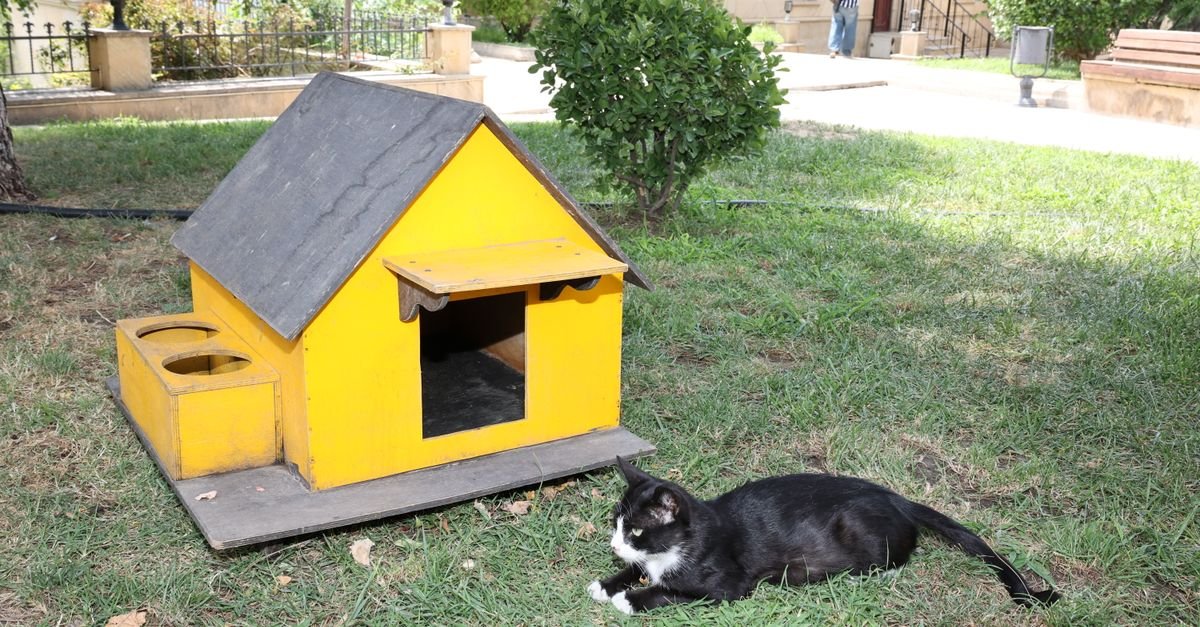
If your cat needs a warmer place to rest, choose an outdoor-rated shelter for outside or a heated retreat for a dry indoor spot. The Pawtners Heated Outdoor Cat House is my best overall pick because it combines an enclosed outdoor shelter with a heated resting spot.
For indoor use, the Tovve Heated Indoor Cat House is my budget pick. It’s a better fit if your cat already sleeps inside and you want to warm up a favorite corner without buying an outdoor shelter.
This guide compares five heated cat houses and explains which setups they suit. I’ll cover where to place the house, how to check that your cat can turn around comfortably, and what to check before plugging it in.
Key Takeaways
- Choose an outdoor-rated model for any spot exposed to the weather.
- Make sure your cat can leave the heated area freely.
- Check the interior floor space, not just the shelter's outer footprint.
- Follow the manufacturer's instructions before leaving the heater on unattended.
Our Top 5 Picks at a Glance
| Product | Best for | Highlights | Price | Link |
|---|---|---|---|---|
| Best overall |
| $89.99 (as of 11/24/2026 04:22 PST – Details) In stock | View on Amazon (opens in a new tab) | |
| Runner-up |
| $70.38 (as of 11/24/2026 04:22 PST – Details) In stock | View on Amazon (opens in a new tab) | |
| Also great |
| $56.52 (as of 11/24/2026 04:00 PST – Details) In stock | View on Amazon (opens in a new tab) | |
| Also great |
| $59.98 (as of 11/24/2026 04:22 PST – Details) In stock | View on Amazon (opens in a new tab) | |
| Best budget pick |
| $35.13 (as of 11/24/2026 04:22 PST – Details) In stock | View on Amazon (opens in a new tab) |
1. Best Overall: Pawtners Heated Outdoor Cat House

Pawtners Heated Outdoor Cat House
In stock $89.99 (as of 11/24/2026 04:22 PST – Details)
Check price on Amazon (opens in a new tab)The Pawtners Heated Outdoor Cat House is my best overall pick for winter shelter because it combines heat, insulation, and a metal frame. I'd start here if you want a dedicated outdoor shelter rather than a heated bed that needs to stay indoors.
It’s a good fit if you care for a feral cat that already visits your yard. Set it in a quiet spot near the cat’s usual route, with the entrance facing away from the prevailing wind. Give the cat time to explore it on its own.
Even with a shelter designed for outdoor weather, I’d choose a spot protected from runoff and drifting snow. Before plugging it in, follow the manufacturer’s instructions for outdoor power and route the cord away from foot traffic.
Why it stands out
- Insulated enclosure helps retain warmth
- Metal frame gives the shelter structure
- Heated design suited to an outdoor winter setup
Things to consider
- Needs a suitable outdoor power source to provide heat
- Check the footprint and entrance clearance if your sheltered spot is tight
Best for: Anyone setting up a winter shelter for outdoor or feral cats.
Not ideal for: Anyone without a safe way to power an outdoor shelter.
2. Runner-up: K&H Extra-Wide Heated Cat House

K&H Extra-Wide Heated Cat House
In stock $70.38 (as of 11/24/2026 04:22 PST – Details)
Check price on Amazon (opens in a new tab)The K&H Extra-Wide Heated Cat House earns my runner-up spot because it pairs a wider shelter design with built-in warmth for outdoor cats. It’s the alternative I’d consider first if I wanted a heated retreat on a covered porch.
I’d consider it for a cat that already naps near the house or a community cat that regularly visits a sheltered feeding spot. Check the interior and doorway dimensions before buying, especially if you’re hoping two cats will share it. Extra-wide describes the design, not how many cats can comfortably rest inside.
Set it on a level surface with the entrance facing away from prevailing wind. Before settling on a spot, check the manufacturer’s guidance on outdoor placement and make sure the cord can reach a suitable outlet.
Why it stands out
- Extra-wide design if you prefer a broader shelter
- Designed for outdoor use
- Heated shelter without buying a separate warming pad
Things to consider
- Needs access to power for heat
- Check the footprint before buying for a narrow porch
Best for: Outdoor cat caregivers with a sheltered spot near an outlet.
Not ideal for: Anyone without a suitable outdoor power source.
3. Also Great: Heated Cat House With Escape Door

Heated Cat House With Escape Door
In stock $56.52 (as of 11/24/2026 04:00 PST – Details)
Check price on Amazon (opens in a new tab)The Heated Cat House With Escape Door is a good outdoor pick if you want an insulated shelter with a heating pad and a second exit. That extra way out can help a wary cat leave if another animal approaches the main entrance.
I’d consider it for a community cat that already visits your porch or yard. Choose a quiet spot under cover, and leave enough room around both openings for the cat to come and go without feeling cornered.
Before buying, check that the cord can reach a suitable outdoor outlet without crossing a walkway. Follow the setup instructions, and check before adding a blanket over the pad.
Why it stands out
- Escape door gives cats another way out.
- Heating pad is included, so you don’t have to shop for one separately.
- Insulated design helps retain warmth inside the shelter.
Things to consider
- The second exit limits where you can place it without blocking a doorway.
- Check the interior dimensions if you’re buying for a large cat.
Best for: Outdoor cat caretakers who want a second exit.
Not ideal for: Buyers without a sheltered spot or suitable outdoor outlet.
4. Also Great: Heated Cat House With Skylight

Heated Cat House With Skylight
In stock $59.98 (as of 11/24/2026 04:22 PST – Details)
Check price on Amazon (opens in a new tab)The Heated Cat House With Skylight is also a good choice if you want daylight inside an outdoor shelter. It includes a heating pad, so you don’t have to shop for a separate one.
I’d consider it for outdoor cats that already curl up together. If you’re buying for more than one cat, check the usable floor space and how much of it the pad covers. Cats that guard favorite spots may do better with separate shelters.
Set it in a sheltered spot with the entrance facing away from prevailing winds. Before settling on a location, check the cord length and the manufacturer’s instructions for plugging in the pad outdoors.
Why it stands out
- The skylight lets daylight into the shelter.
- The included heating pad saves you from matching a separate pad to the house.
- The raised base keeps the shelter floor off the ground.
Things to consider
- The heating pad needs a suitable power source, which limits where you can place the shelter.
- Check the exit layout before buying for cats that don’t get along.
Best for: Outdoor cat caretakers who want a shelter with a skylight.
Not ideal for: Anyone without a suitable outdoor outlet nearby.
5. Best Budget Pick: Tovve Heated Indoor Cat House
In stock $35.13 (as of 11/24/2026 04:22 PST – Details)
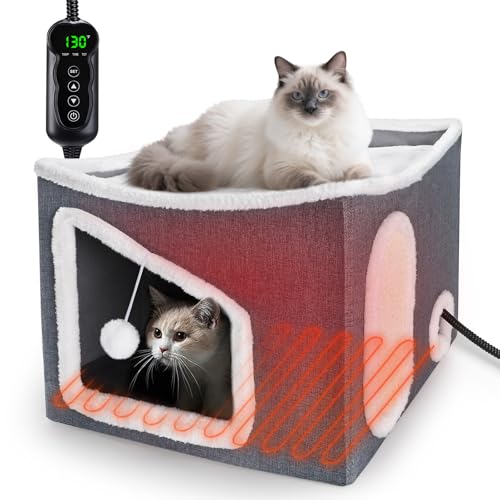
Check price on Amazon (opens in a new tab)The Tovve Heated Indoor Cat House is my budget pick because it covers the basics for an indoor nap spot without prioritizing outdoor shelter features. You can adjust the heating pad’s temperature and timing, and the house comes with a hanging toy and scratch pad.
I’d choose it for a cat that already likes napping in tucked-away spots. Set it near a favorite resting spot, away from busy walkways, and let your cat explore it with the heat off first. Keep the entrance clear so your cat can come and go freely.
Before buying, check the interior dimensions against a bed your cat already uses. If your cat likes to stretch out, compare the heating pad dimensions too. Follow the instructions for heat settings and keep the cord out of reach if your cat tends to chew.
Why it stands out
- Adjustable heating pad temperature
- Adjustable heating time
- Includes a hanging toy and scratch pad
Things to consider
- Indoor use only
- Check the available timer settings if you want a specific shutoff time
Best for: Indoor cat owners who want adjustable heat on a budget.
Not ideal for: Anyone who needs a heated shelter for outdoor use.
How I Chose These Products
I picked these 5 products by comparing them on the points below, using the product details on Amazon and the questions people ask most about this kind of product.
- Indoor or outdoor rating
- Usable interior floor space
- Entry and escape routes
- Heating pad and operating instructions
- Weather protection
- Ease of cleaning
I did not test these products by hand. Each one has a different role, so you can pick by need rather than by price alone. Check the size and specs on Amazon before you buy.
How to Choose a Heated Cat House
Look for a Heated Surface and Enough Insulation
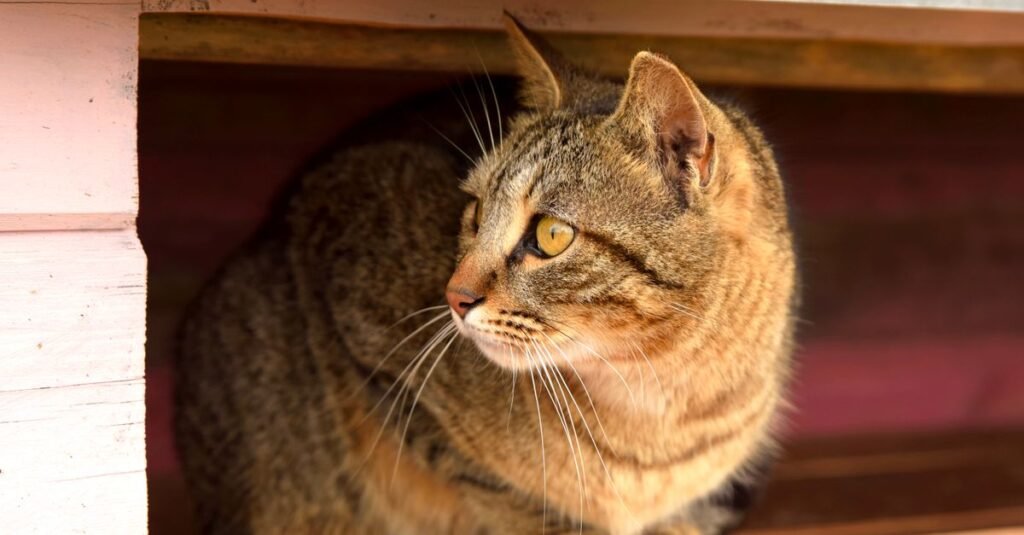
Choose a heated cat house that suits its location and gives your cat enough room to rest and leave easily. The heating pad warms the surface your cat lies on rather than heating the whole shelter like a room heater. Insulation slows heat loss through the shelter, but it doesn't replace a dry spot protected from drafts.
Match the Shelter to the Spot
An indoor model works in a dry room, but a roof alone doesn't make a porch suitable for indoor equipment. On a covered porch, choose a shelter and heater approved for outdoor use, and keep them away from wind-driven rain. In a more exposed spot, follow the manufacturer's weather limits and avoid low areas where water pools.
Check the Floor Space, Doorway, and Exits
Check the interior floor dimensions and doorway opening, not just the shelter's outside footprint. Your cat should be able to step in, turn around, and lie down comfortably.
A second exit gives a cat another way out if another animal blocks the entrance. For cats that avoid sharing, separate shelters may work better than one larger house.
Consider a Heated Bed for Cats That Prefer Open Spaces
If your cat naps on open cushions and avoids enclosed hideouts, a heated bed may get more use than a heated house. In a dry indoor room, it offers a warm surface without a doorway to negotiate. Keep an unheated resting spot nearby so your cat can move off the warmth and still stay comfortable.
Think About the Shelter and Its Running Costs
Outdoor construction can add to the overall cost compared with a shelter made for a dry room. Check whether a compatible heater comes with the house or has to be bought separately. Ongoing electricity use depends on the heater's wattage and how long it draws power, which may differ from how long it's plugged in.
Verify Overnight and Continuous Use
Before leaving the heater on overnight, read the manufacturer's instructions for the specific heater and shelter. Check separately for overnight, unattended, and continuous operation, along with any timer limits or bedding restrictions. If the instructions don't clearly allow your intended setup, ask the manufacturer before leaving it running.
How to Set Up a Heated Cat House
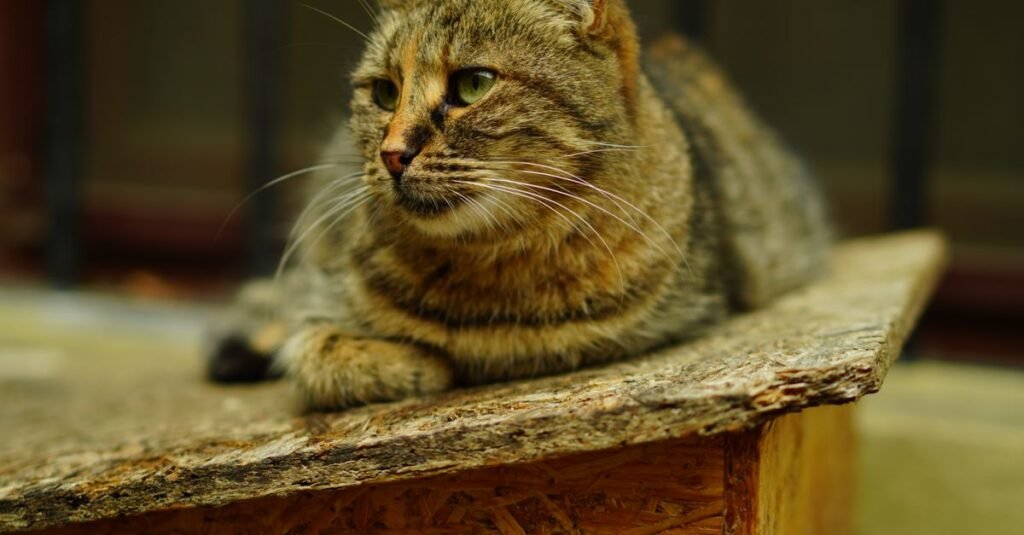
Set up your heated cat house on a stable, dry surface and install the heating pad according to the manufacturer’s directions. Before plugging it in, check that your cat has a clear way out and can move off the pad.
- Pick a level spot where the house won’t rock or shift. Outdoors, look for a spot sheltered from wind, away from downspouts and low areas where water collects.
- Turn the entrance away from the direction the wind usually blows from. Leave space outside any escape door so your cat can get out without squeezing past a wall or stored items.
- Install the heating pad as directed. Add bedding only if the manufacturer allows it, and follow its instructions on where the bedding can go.
- Route the cord away from spots where it could be chewed, pinched, or stepped on. For outdoor use, follow the manufacturer’s outlet requirements.
- Let your cat investigate at its own pace instead of placing it inside. Check that it can easily step off the heated surface whenever it wants.
Unplug the heater before cleaning the house. If you notice damage to the pad or cord, stop using the heater.
Common Buying Mistakes
Putting an Indoor-Only Model on a Covered Porch
Use a heated cat house rated for outdoor use, even on a covered porch. A roof won’t keep out wind-driven rain or prevent damp floors, so check the manufacturer’s placement instructions for both the shelter and heating pad.
Sizing the Shelter From Exterior Measurements Alone
Check the usable floor space and doorway width before buying. Thick walls can leave less room than the outside dimensions suggest, and your cat needs space to step inside, turn around, and settle on the pad.
Assuming Cats That Eat Together Will Sleep Together
Sharing a feeding spot doesn’t mean cats will share a sleeping space. If one cat tends to guard doorways or displace another from a favorite bed, plan for separate shelters with clear approaches.
Overlooking the Location of a Suitable Outlet
Measure the cord route before choosing a spot. Outdoors, look for a nearby weather-protected, GFCI-protected outlet, and avoid running the cord through a doorway where it could get pinched.
Frequently Asked Questions
How much does a heated cat house cost?
The cost of a heated cat house depends on its size, where it’s designed to go, and whether it includes a heating pad. When comparing models, check what comes in the box. A shelter designed to hold a pad doesn’t necessarily come with one.
How do heated cat houses work?
Most plug-in heated cat houses use a low-wattage pad to warm the spot where your cat lies rather than heating the whole shelter. The walls help block drafts, while the pad provides warmth under your cat. A cool entrance doesn’t necessarily mean the pad isn’t working.
Is a heated bed good for a cat?
A heated bed can be a good choice for a cat that seeks out warm spots and can get up and move away easily. Set it up where your cat already likes to nap. Keep an unheated resting spot nearby so your cat can choose what feels comfortable.
Is it safe to leave a heated cat house on all the time?
Leave a heated cat house on continuously only if the manufacturer explicitly allows it and you can follow the setup instructions. For outdoor use, confirm that the heating pad is rated for outdoors, not just the shelter. Unplug it if you notice damage to the cord or plug.
Can I put blankets over the heating pad in a heated cat house?
Only put a blanket over the heating pad if the manufacturer specifically allows it. Extra layers can trap heat, so don’t assume a thin blanket is safe just because the pad came with a cover. If the instructions call for the supplied cover only, skip the extra bedding.
Final Verdict
For most outdoor shoppers, the Pawtners Heated Outdoor Cat House is my best overall pick because it pairs a heated pad with an insulated shelter. The K&H Extra-Wide Heated Cat House is my runner-up if you’d prefer a wider layout.
The Tovve Heated Indoor Cat House is my budget pick for a warm spot indoors, not a substitute for an outdoor shelter. Choose the Heated Cat House With Escape Door if a second way out matters most. If you’d rather check inside from above, consider the Heated Cat House With Skylight.
Product prices and availability are accurate as of the date/time indicated and are subject to change. Any price and availability information displayed on Amazon at the time of purchase will apply to the purchase of this product.
CERTAIN CONTENT THAT APPEARS ON THIS SITE COMES FROM AMAZON. THIS CONTENT IS PROVIDED 'AS IS' AND IS SUBJECT TO CHANGE OR REMOVAL AT ANY TIME.