
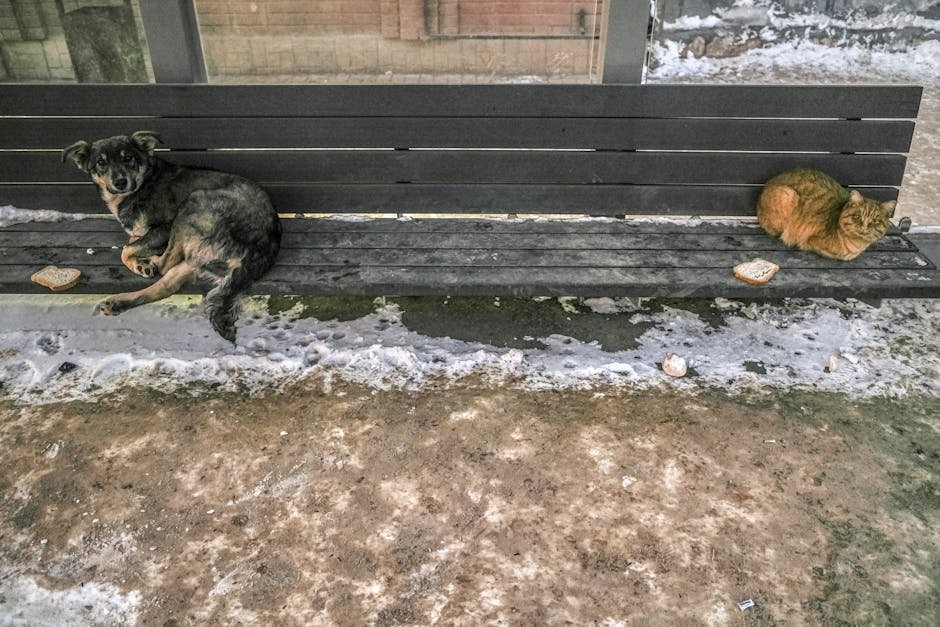
Worried cat food might be bad for your dog’s kidneys? Here’s the short answer and a safe plan that works in real homes with both cats and dogs.
Yes, cat food can stress a dog’s kidneys, especially in dogs with kidney disease or when fed often. A one-time snack is rarely an emergency, but repeated access or feeding cat food as a diet is not safe for canine kidneys.
Cat food is formulated for cats, who are obligate carnivores. It is usually higher in protein, phosphorus, and fat than dog food. Those nutrients can add kidney workload and raise blood pressure in dogs. If your dog has chronic kidney disease (CKD), even small amounts of cat food can push numbers the wrong way.
I foster dogs and cats. I’ve seen “quiet theft” of cat kibble lead to vomiting, thirst, and bad lab results in a senior dog. With the right steps, you can stop cross-feeding and protect your dog’s kidneys without stress.
Is Cat Food Bad for Dogs’ Kidneys? The Short Version
What makes cat food different
Cat food is built for cats’ higher protein needs. It often has more protein, more phosphorus, and more fat per bite. It may also be saltier. Dogs need balanced amino acids and minerals too, but not at cat levels. That difference matters when the kidneys must filter extra waste.
How kidney stress happens
Extra protein means more nitrogen waste (urea). Phosphorus and sodium can climb as well. Kidneys must clear these. In a healthy dog, a small overage now and then is usually fine. In a dog with CKD, the same overage can worsen thirst, nausea, and bloodwork (BUN, creatinine, phosphorus, SDMA).
One-time snack vs. repeated feeding
One raid of the cat bowl is unlikely to cause kidney failure. The risk rises with repeated access, high-protein dry cat foods, and senior dogs or dogs with known kidney issues. Chronic access can also cause weight gain and pancreatitis, which further stresses the body.

Image source: Pexels | Photo by Dmitry Egorov on Pexels
Signs Your Dog May Be Reacting to Cat Food
Short-term signs
- Vomiting or soft stool
- Gas or belly discomfort
- Begging for water if the food was salty
Kidney-related red flags
- Drinking and peeing more
- Lethargy, low appetite, or nausea
- Bad breath, mouth ulcers (advanced CKD)
Call your vet if symptoms last more than 24 hours, if your dog is a senior, or if your dog already has CKD, heart disease, or high blood pressure.
What To Do If Your Dog Ate Cat Food
Immediate steps
- Remove access to the cat food now.
- Offer fresh water; do not force drinking.
- Skip rich treats. Feed a normal dog meal later.
- Watch for vomiting, diarrhea, or unusual thirst.
When to call the vet
- Known kidney disease, senior dogs, or tiny breeds
- Repeated raids or large amounts eaten
- Persistent vomiting, lethargy, or refusal to eat
What your vet may check
- Bloodwork: BUN, creatinine, phosphorus, electrolytes, SDMA
- Urinalysis: specific gravity (urine concentration), protein
- Blood pressure, hydration status, weight trends

Image source: Pexels | Photo by binevva on Pexels
Safer Feeding Plans for Every Situation
Healthy dogs
- Feed a complete and balanced dog food that meets AAFCO standards.
- Use dog-safe treats in small amounts.
- Avoid using cat food as a topper or bribe. It builds a habit.
Dogs with kidney disease
- Use a vet-prescribed renal diet. These are lower in phosphorus and have controlled protein and sodium.
- Hydration helps. Consider wet food portions or water added to meals if your vet agrees.
- Never use cat food as a “pick-me-up.” Ask your vet for kidney-safe appetite tricks.
Multi-pet home hacks
- Feed cats up high or behind a baby gate that dogs cannot pass.
- Use microchip or collar-activated cat feeders.
- Separate meal times and pick up bowls after 20 minutes.
- Place the litter box away from dog access; it can attract snacking behavior.

Image source: Pexels | Photo by cottonbro studio on Pexels
Personal Experience: Two Quick Stories
My foster beagle once emptied a full bowl of dry cat kibble. He vomited twice and drank nonstop. Bloodwork showed a mild bump in BUN the next day. With fluids, rest, and strict feeding separation, he normalized in 48 hours.
A senior mixed-breed with early CKD started sneaking cat food at night. Her phosphorus crept up and she felt nauseous. We raised the cat’s dish onto a shelf and used a microchip feeder. Her appetite improved, and her values steadied by the next check.
The Nutrients That Matter Most
Protein and uremic toxins
Cat foods tend to be higher in protein. More protein means more urea and related waste. Healthy kidneys can cope most days. Kidneys with disease cannot keep up, which worsens signs.
Phosphorus and kidney workload
Phosphorus control is key in CKD. Many cat foods have higher phosphorus than renal dog diets. That can speed mineral imbalance, bone changes, and nausea in dogs with CKD.
Sodium and blood pressure
Some cat foods are saltier. Sodium can raise blood pressure. High blood pressure hurts the kidneys and the eyes. Sensitive dogs do best with moderated sodium.
Fat and pancreatitis risk
Cat foods often have more fat and calories. Dogs who binge can get GI upset or pancreatitis. Pancreatitis can lead to dehydration and further strain the kidneys.
Vitamins and extras
Cat foods add taurine for cats. That is not harmful to dogs. The issue is not taurine itself but the overall nutrient balance for a canine body.
Image source: Pexels | Photo by cottonbro studio on Pexels
Step-by-Step: Keep Your Dog Out of the Cat Bowl
- Audit your layout. Note where the dog can reach.
- Pick a feeding zone for the cat that is high or gated.
- Feed on a schedule. Remove bowls after mealtime.
- Use a microchip feeder for the cat if your dog is crafty.
- Offer your dog a food puzzle at cat mealtimes to distract.
- Keep lids on food bins. Store cat food up high.
- Train “leave it” and reward success.
Myths vs Facts
- Myth: “It’s all pet food. It’s fine.” Fact: Cat food is not balanced for dogs and can stress kidneys over time.
- Myth: “One bite causes kidney failure.” Fact: A single nibble is rarely dangerous, but routine access is a problem.
- Myth: “High protein alone causes CKD.” Fact: Protein does not cause CKD by itself, but high protein and phosphorus can worsen existing CKD.
- Myth: “Wet cat food is safe for dogs with CKD.” Fact: Many cat diets still have more phosphorus than renal dog diets.

Image source: Pexels | Photo by Vlada Karpovich on Pexels
FAQs
Is cat food bad for dogs’ kidneys if it happens once?
One small snack is unlikely to cause kidney failure. Watch for vomiting, diarrhea, or thirst. Keep water available and call your vet if your dog has CKD or symptoms persist.
Can puppies eat cat food?
No. Puppies need balanced puppy nutrition. Cat food is too rich and off-balance for canine growth and may trigger stomach upset or long-term habits that are hard to fix.
Which cat foods are the worst for dogs with kidney issues?
High-protein, high-phosphorus dry cat foods are the riskiest. For dogs with CKD, any cat food can be a problem. Use only a vet-approved renal dog diet.
Will cat treats harm a dog’s kidneys?
Many cat treats are high in protein and salt. A rare treat may be fine for a healthy dog, but avoid them for dogs with CKD and avoid making it a routine.
Are there times a vet might suggest cat food for a dog?
Rarely, a vet may use a small amount of cat food to tempt a dog to eat in a short-term situation. This is not a long-term plan, and it is not advised for dogs with CKD.
What tests show kidney stress after cat food raids?
Blood tests (BUN, creatinine, phosphorus, SDMA) and urinalysis show kidney function. Your vet may check blood pressure as well.
How do I stop a determined dog from stealing cat food?
Feed the cat up high, use a microchip feeder, close a gate, and remove bowls after meals. Train a solid “leave it” and reward your dog for calm behavior.
Conclusion
So, is cat food bad for dogs’ kidneys? It can be, especially for dogs with CKD and for dogs who eat it often. The nutrient profile in cat food raises kidney workload compared with dog food.
You do not need fear after a small snack, but you do need a plan. Use feeding zones, timed meals, and smart tools to prevent raids. If your dog has kidney disease, stick to a vet-prescribed renal diet and ask your vet for tailored tips that fit your home.
References
Tufts University Cummings Veterinary Medical Center: Can Dogs Eat Cat Food?
U.S. Food & Drug Administration: Pet Food Labels – General
UC Davis Veterinary Medicine: Chronic Kidney Disease in Dogs