
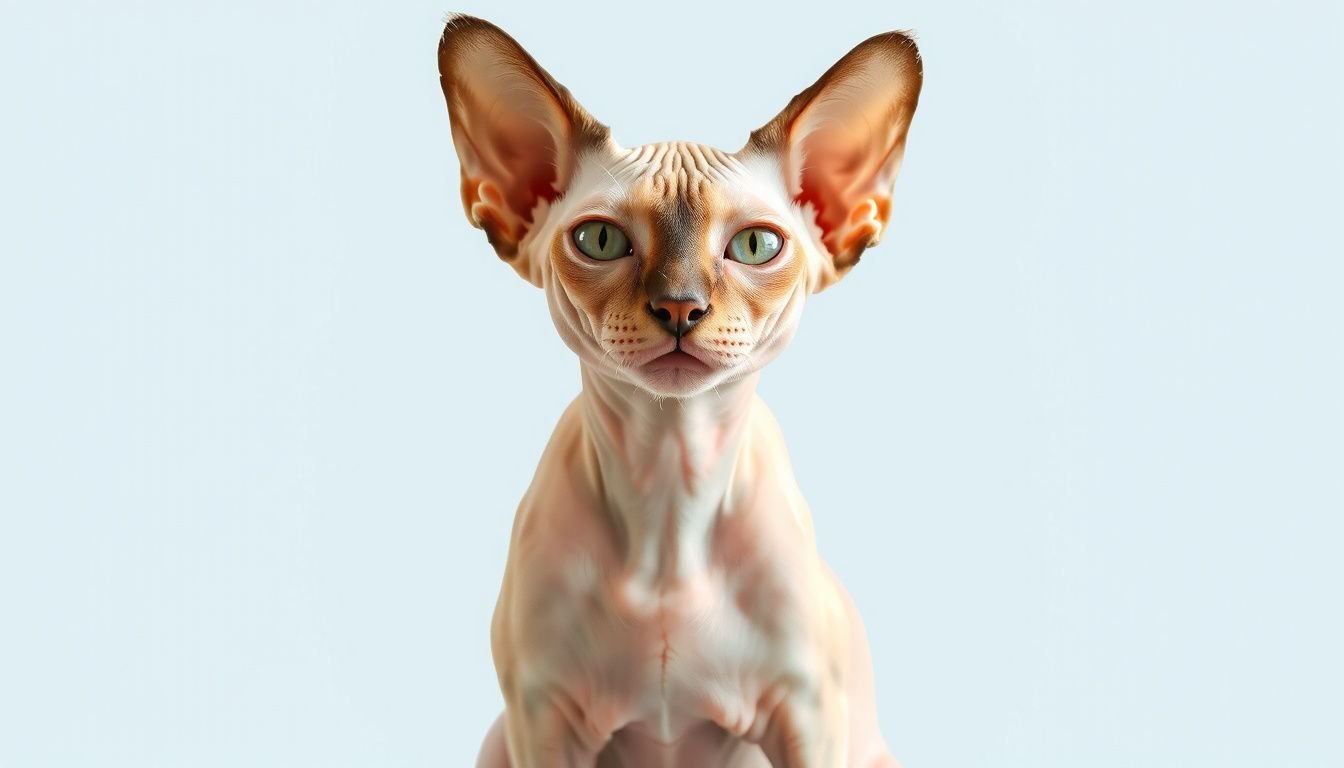
How to care for a sphynx cat comes down to three priorities: warmth, skin hygiene, and proactive health checks. Your cat’s “naked” look isn’t low-maintenance—it just shifts the work from brushing fur to managing oils, temperature, and ear care. You’ll also notice a higher appetite and a stronger need for cozy routines, because sphynx cats burn energy to stay warm.
Look, you don’t need a complicated setup. You need a repeatable plan you can stick to weekly, plus a home environment that prevents chills and skin irritation. The steps below walk you through supplies, home setup, grooming, feeding, and vet care in a clear sequence.
Follow them in order, then adjust based on your cat’s skin type and your vet’s guidance.
Gather Your Supplies Before You Start
Start by setting up a small “care station” so you’re not hunting for tools mid-bath or mid-trim. Consistency matters with sphynx cats, because skipping care often shows up fast as oily buildup, ear debris, or nail gunk.
Buy supplies designed for sensitive skin. Avoid heavily fragranced products and anything that leaves residue.
- Bathing: gentle, fragrance-free cat shampoo; soft washcloths; 2 towels; non-slip mat
- Skin upkeep: pet-safe, unscented wipes (for in-between days)
- Ears/eyes: vet-approved ear cleaner; cotton pads (not cotton swabs); sterile saline for eyes
- Nails: cat nail trimmers; styptic powder; small flashlight
- Comfort: heated cat bed (low setting); soft sweaters; thermometer for room checks
Pro tip: Keep everything in a lidded bin; oils and dust collect quickly. Common mistake: Using human baby wipes or harsh acne products—these can irritate skin and trigger more oil.
Set Up Warmth and a Safe Home Environment
Your sphynx cat needs heat management every day. Without fur, they lose warmth quickly and may seek risky heat sources like radiators or sunny windows that can cause burns.
Aim for a stable indoor temperature and provide multiple warm zones. You’re building choices, not forcing one spot.
- Place a heated bed (pet-safe, low setting) in a draft-free corner.
- Add fleece blankets and a covered “cave” bed for heat retention.
- Use sweaters for short periods if your cat tolerates them; keep them clean and dry.
- Block drafts near windows/doors; avoid cold tile as the main lounging surface.
Pro tip: Check ears and paws—cool to the touch often means they’re chilled. Common mistake: Letting your cat nap on heating pads meant for humans; temperature control and safety shutoffs aren’t reliable for pets.
Build a Skin and Bathing Routine You Can Maintain
Sphynx skin produces oils that would normally spread through fur. On bare skin, that oil can look “dirty,” feel sticky, and leave stains on bedding. Your goal is clean, comfortable skin—not squeaky-dry skin.
Most sphynx cats do well with baths every 1–2 weeks, but you’ll adjust based on oil level, climate, and your cat’s tolerance. Between baths, use a damp washcloth or pet-safe wipes on high-oil areas (neck folds, armpits, belly).
- Warm the room and gather towels before you start.
- Use lukewarm water; wet the body gently with a washcloth.
- Massage a small amount of cat shampoo; avoid eyes and inside ears.
- Rinse thoroughly; leftover shampoo causes itching.
- Pat dry fast, then move your cat to a warm blanket.
Practical example: If your cat leaves brown marks on white sheets after three days, switch to weekly baths and wipe the neck folds every other day. Common mistake: Over-bathing; it can worsen dryness and trigger rebound oil.
Clean Ears, Eyes, and Nails the Right Way
Your sphynx cat’s ears often collect dark wax faster than furry breeds. Nails also build “nail gunk” (oil + debris) around the nail bed. These are routine tasks, not emergencies, when handled correctly.
- Ears (weekly): Apply vet-approved cleaner to a cotton pad and wipe only what you can see. Never push into the canal.
- Eyes (as needed): Use sterile saline on a pad to wipe outward from the inner corner. Use a fresh pad per eye.
- Nails (every 1–2 weeks): Trim just the sharp tip; clean the nail base with a damp pad. Keep styptic powder nearby.
Pro tip: Do these right after a bath when debris is softer. Common mistake: Using cotton swabs in ears; you can compact wax and irritate the canal.
Feed for High Energy and Hydration Needs
Sphynx cats often have fast metabolisms and strong appetites. You’ll support steady energy with complete, high-quality nutrition and enough moisture to protect urinary health.
Use your cat’s body condition and your vet’s guidance to set portions. Don’t free-feed indefinitely if weight creeps up.
- Prioritize high-protein, AAFCO-complete cat food.
- Use wet food daily for hydration; consider a cat water fountain.
- Split meals into 2–4 feedings to reduce begging and stomach upset.
- Limit treats to under 10% of daily calories.
Pro tip: Track weight monthly and adjust by small increments. Common mistake: Assuming “always hungry” means “needs more”—sometimes it means boredom, cold stress, or a medical issue.
Schedule Preventive Vet Care and Watch for Red Flags
Preventive care saves you money and protects your cat’s quality of life. Sphynx cats can be prone to dental disease and heart conditions like hypertrophic cardiomyopathy (HCM), so routine exams matter.
- Book annual (or twice-yearly) wellness visits; ask about heart screening if recommended.
- Keep vaccines, parasite prevention, and dental checks current.
- Ask your vet what “normal” ear wax and skin oil look like for your cat.
Watch for red flags: persistent greasy odor despite bathing, inflamed skin, head shaking, thick ear discharge, squinting, coughing, fainting, sudden weight change, or lethargy. Pro tip: Take clear photos of skin changes before the appointment. Common mistake: Treating recurring skin issues at home without a diagnosis; yeast, allergies, and mites require different plans.
Quick Answers
How often should you bathe a sphynx cat?
Most do well every 1–2 weeks. If your cat gets oily fast or stains bedding, go weekly. If skin gets dry or flaky, extend the interval and use gentle wipe-downs between baths.
Do sphynx cats need sunscreen?
They can burn in strong direct sun. The safest approach is limiting sun exposure and using window filters. Only use sunscreen if your vet recommends a pet-safe product and application method.
Why are my sphynx cat’s ears so dirty?
Wax buildup is common because oils aren’t trapped in fur. Clean weekly with a vet-approved ear cleaner and cotton pads. If there’s odor, redness, pain, or thick discharge, schedule a vet visit.
Can a sphynx cat live comfortably without clothes?
Yes, if your home is warm and you provide heated beds and blankets. Clothes are optional and should be clean, breathable, and worn only if your cat tolerates them without stress or skin rubbing.
What to Do Now
Pick one day this week to set up your care station and warm zones. Then choose a simple routine you’ll actually keep: weekly ear cleaning, nail trims every 1–2 weeks, and baths on a predictable schedule. Start tracking three things: skin feel (oily vs.
dry), ear wax level, and monthly weight.
If you’re unsure about products or frequency, bring your supplies list to your next vet visit and ask for a personalized plan. Once your routine is stable, you’ll spend less time reacting to problems and more time enjoying a warm, healthy, confident sphynx cat.
Related read: Best Dry Cat Food for Cats: Top Picks for Optimal Health