
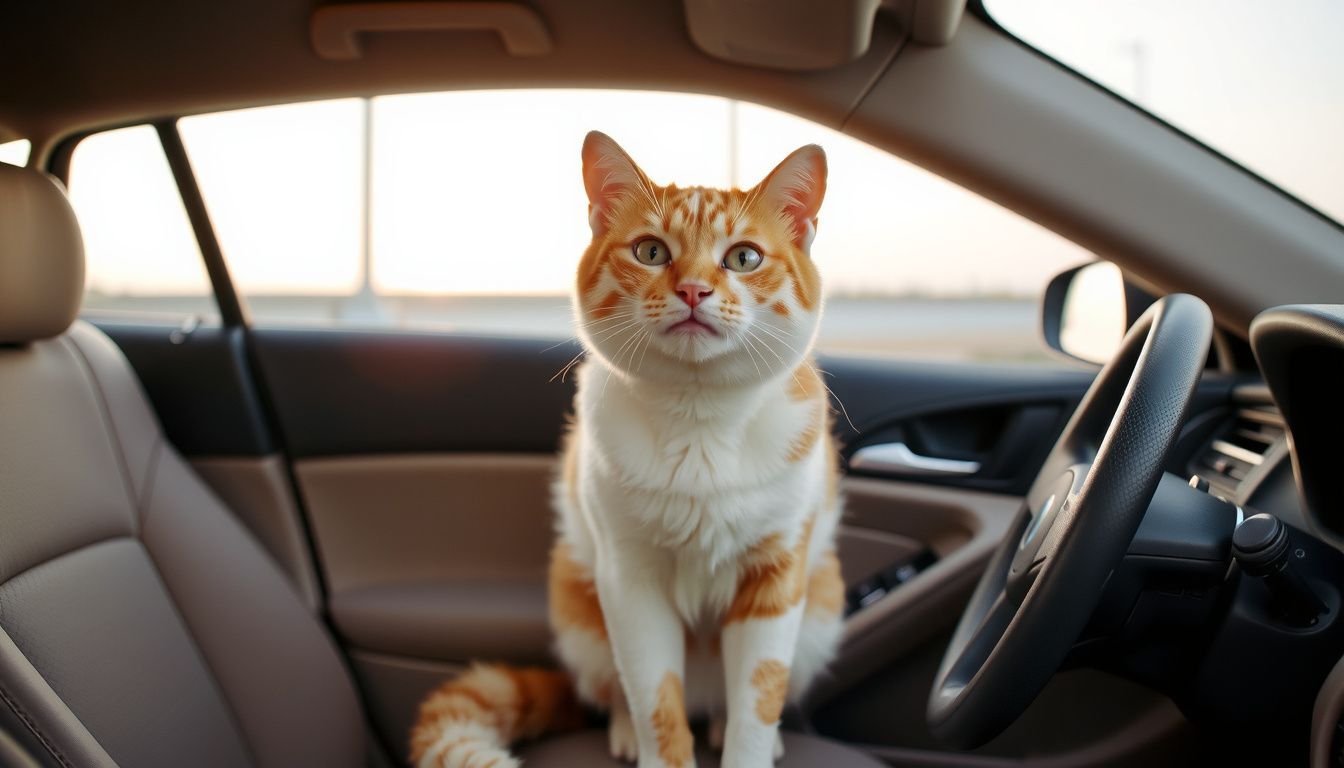
Ever wondered why do cats pant in the car even when the windows are up and the temperature seems fine? Seeing your cat pant during a drive can be unsettling, especially if you’re not sure what’s normal. As a pet owner, knowing the difference between stress, heat, and medical issues is crucial for your cat’s safety.
Here, you’ll get clear, expert-backed answers to help you understand feline panting, spot warning signs, and create calmer, safer travel experiences for your furry companion. Let’s make your cat’s next car ride a little easier—starting with the facts you need to know.
- Panting in cats is less common than in dogs and often signals stress or overheating.
- Short car rides can trigger anxiety, causing rapid breathing or open-mouth panting.
- Medical emergencies like heart or respiratory issues can also cause panting—know the difference.
- Calm preparation and early intervention can reduce risks and keep your cat safe.
Understanding Panting in Cats: What It Means
Panting in cats is not typical, especially compared to dogs. When your cat starts to breathe with an open mouth, it generally means they’re experiencing something out of the ordinary. This could be a response to stress, heat, pain, or even a serious health problem.
Unlike dogs, cats rarely use panting as a way to cool down. Instead, it’s often a red flag. During car rides, the unfamiliar motion, sounds, and confinement can provoke this response.
Some cats may pant briefly and recover once calm; others may continue until the stressor is removed. Understanding this difference is the first step to responding quickly and appropriately.
Common Reasons Your Cat Pants in the Car
Most often, cats pant in the car due to stress or anxiety. The sudden change in environment, unfamiliar noises, and movement can be overwhelming. Here are the most common reasons:
- Fear and stress: New environments and vibrations can trigger acute stress responses.
- Heat: Even a slightly warm car can overheat cats quickly.
- Excitement or exertion: Struggling in carriers or during loading/unloading can cause short-term panting.
Sometimes, panting may be related to underlying medical issues such as respiratory or heart conditions, especially if it occurs frequently or without obvious stressors.
How Travel Stress Impacts Your Cat’s Breathing
Cats are creatures of habit. Disrupting their routine with a car ride can cause their heart rate and breathing to spike. When a cat is stressed, adrenaline floods their system—leading to faster, shallower breathing or full-blown panting.
For example, consider a cat that’s never been in a car before. The noise of the engine, the sensation of movement, and the confinement of a carrier all combine to create a high-stress situation. The result?
Rapid, open-mouthed breathing that looks and sounds like panting. This is your cat’s way of coping with overwhelming anxiety.
Recognizing Signs of Distress Versus Normal Behavior
It’s important to differentiate between mild, short-term panting and signs of true distress. Watch for these indicators:
- Mild Panting: Occurs briefly, resolves once the cat calms down, no other symptoms.
- Distress Signals: Panting with drooling, pale gums, lethargy, vomiting, or continued agitation.
- Medical Emergency: Blue or gray gums, collapse, or unresponsiveness—seek immediate veterinary care.
Normal behavior after a ride includes your cat settling quickly and returning to regular breathing. Anything prolonged or accompanied by other symptoms deserves prompt attention.
Steps to Help Your Cat Feel Safer During Car Rides
Reducing your cat’s anxiety during travel starts with preparation. Here’s how you can make car trips less stressful:
- Familiarize the carrier: Leave it open at home with treats and favorite bedding.
- Use calming aids: Pheromone sprays or calming collars can help.
- Minimize noise: Keep music low and avoid sudden stops or loud talking.
- Maintain cool temperature: Ensure proper ventilation and never leave your cat in a parked car.
These steps can turn a dreaded ride into a manageable, even routine, experience for your cat.
When Panting Signals a Medical Emergency
Don’t ignore panting that is intense, prolonged, or accompanied by severe symptoms. Look for:
- Blue, gray, or pale gums
- Difficulty standing or collapsing
- Persistent vomiting or drooling
- Limpness or unresponsiveness
If you see any of these, stop the car safely and seek veterinary attention immediately. Cats can deteriorate quickly, especially from heatstroke or heart failure. Quick action can save lives.
Tips for Preparing Your Cat for Future Car Trips
Want smoother car rides? Preparation is key. Try these tips:
- Start with short, positive trips—just around the block or to a favorite park (without leaving the car).
- Reward calm behavior with treats and praise.
- Bring familiar items: a blanket, toy, or shirt with your scent.
- Consult your vet about anti-anxiety options if stress continues.
As your cat becomes accustomed to travel, panting episodes should decrease. Patience and practice pay off.
Frequently Asked Questions
Is it ever normal for cats to pant in the car?
Brief panting can happen due to excitement or stress, but it should resolve quickly. Ongoing or severe panting isn’t normal and needs attention.
Can panting mean my cat is too hot?
Yes. Overheating is dangerous for cats. Always ensure good ventilation and never leave your cat alone in a parked car, even briefly.
Should I open the carrier during a car ride if my cat pants?
No. Opening the carrier can be unsafe and cause escape or injury. Focus on calming your cat and regulating the car’s temperature instead.
When should I call the vet about my cat’s panting?
Call your vet if panting is severe, lasts longer than a few minutes, or comes with other symptoms like drooling or lethargy.
Final Thoughts
Knowing why cats pant in the car empowers you to make travel safer and less stressful for your feline friend. Watch for warning signs, prepare thoughtfully, and don’t hesitate to seek help if needed. With the right strategies and awareness, you can turn car rides from a source of panic into a manageable part of life with your cat.
Take these tips to heart, and you’ll protect your pet’s health every mile of the journey.
- 60-Second Recap:
- Panting in cats during car rides often signals stress or anxiety.
- Heat and underlying health issues are also potential causes.
- Short-term panting that resolves is less concerning than ongoing distress.
- Preparation and familiarization reduce travel anxiety.
- Seek veterinary care if panting is severe or accompanied by other symptoms.