
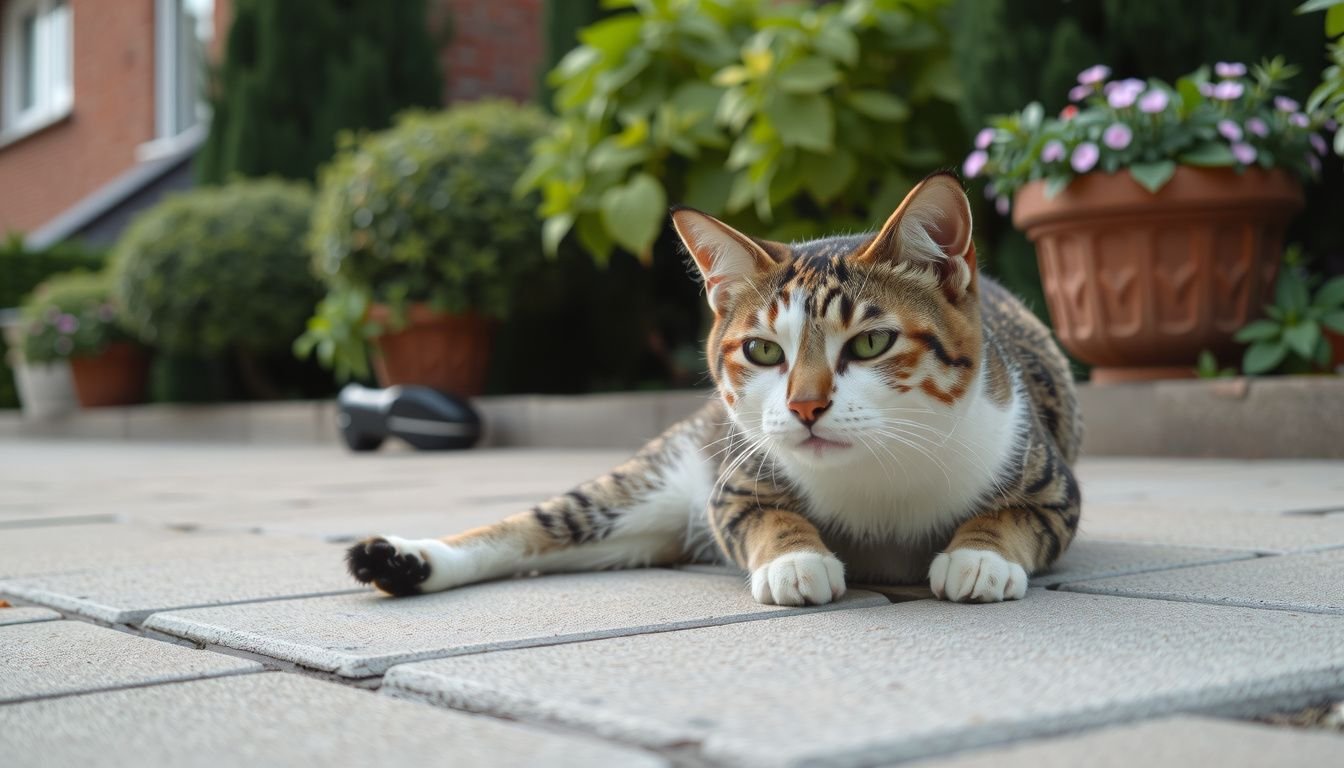
How can i keep cats off my car without hurting them or starting a neighborhood feud? If you’re finding paw prints, fur, or scratches on your hood, you’re not alone—cars are warm, elevated, and often parked right on a cat’s travel route.
You can solve this with a mix of smart habits, safe deterrents, and a few simple barriers. The key is consistency: cats learn fast, but they also return fast when the “reward” (warmth or a good lookout) comes back.
You’ll get practical, humane options that work for indoor-outdoor pets and strays, plus a quick way to choose the right approach for your parking setup. Start with safety checks, then layer deterrents.
Quick Facts Box
- Most common reasons: warmth, high vantage point, routine paths, shelter
- Best results: combine 2–3 methods (habit + scent + barrier)
- Avoid: poisons, glue traps, harmful chemicals, anything that can injure paws
- Timeline: noticeable improvement in 3–14 days with consistent use
Why Cats Keep Jumping on Your Car
Cats aren’t targeting your car personally. Your hood and roof are often the warmest, driest, highest “platform” in the area—especially after you drive. That heat holds for a while, and cats love it.
Your car can also sit along a cat’s natural route between yards, fences, and hiding spots. Once a cat has used your car as a shortcut or lookout, it becomes part of their routine.
Common triggers that make your car extra attractive include:
- Residual engine warmth (winter and cool nights are prime time)
- Quiet, low-traffic parking spots where cats feel safe
- Nearby food sources (outdoor feeding, unsecured trash, rodents)
- Shelter nearby (bushes, decks, sheds) that support repeat visits
Check for Safety Issues Before You Deter Them
Before you set deterrents, make sure you’re not dealing with a cat that’s hiding under the hood or near the wheels. This matters most in cold weather, when cats seek engine heat and tight spaces.
Build a quick pre-drive routine. It’s simple, and it prevents harm while also encouraging cats to stop using your car as a resting spot.
- Tap the hood firmly, then wait a few seconds
- Honk briefly if you suspect a cat is nearby
- Check under the car with a flashlight at night
- Look for paw prints, fur, or fresh scratching near wheel wells
If you find a cat regularly sheltering in your engine area, prioritize motion-based deterrents near the front of the parking spot and consider a dedicated car cover to remove warmth and access.
Make Your Car Less Appealing With Simple Habit Changes
Your easiest win is removing the “reward.” If warmth and comfort bring cats back, you want to reduce those benefits without creating danger.
Start with parking and timing changes when you can. Even small shifts can break a cat’s pattern.
- Park in a garage or under a carport if available
- Switch spots for 1–2 weeks to disrupt routine paths
- Use a fitted car cover to block warmth and provide a less grippy surface
- Keep the area clean (no spilled food, open bags, or accessible trash)
Look around your parking area too. If birds gather above your car or rodents are active nearby, cats may be hunting. Fixing those attractants can reduce visits more than any spray.
Use Safe Scent Deterrents Around Your Parking Spot
Scent is a humane way to nudge cats elsewhere, but placement matters. Put deterrents around the parking spot perimeter, not on paintwork where residues can dull finishes or stain plastics.
Choose cat-safe, commonly used scents and refresh them often—especially after rain. Avoid essential oils applied directly where cats can lick them, since some oils can be toxic when ingested.
- Citrus-based commercial cat repellents (follow label directions)
- Vinegar-and-water wipe-down on nearby non-car surfaces (test first)
- Coffee grounds in breathable sachets near the spot (replace frequently)
- Plant-based deterrent granules made for gardens and patios
If you try a product, give it 5–7 days of consistent use before deciding it “doesn’t work.” Cats often test boundaries a few times before changing routes.
Add Physical Barriers and Surfaces Cats Avoid
Physical solutions work because they change how the area feels under paws. You’re not trying to trap or scare cats—you’re making your car and its approach routes inconvenient.
If you park in a driveway, focus on the ground where cats walk before they jump. If you park in a lot, focus on your immediate stall area and the car itself.
- Car cover (reduces warmth and prevents direct claw contact)
- Prickle strips (plastic “cat scat mats”) placed on the ground near the hood area
- Chicken wire under a thin outdoor mat near the parking edge (uncomfortable, not harmful)
Skip sticky gels or tape on the vehicle. They can damage paint, attract dirt, and create messy cleanup that doesn’t solve the root behavior.
Try Motion, Light, and Sound Deterrents the Right Way
Motion deterrents are often the fastest way to change behavior, especially with persistent cats. The trick is aiming and sensitivity—too sensitive and it triggers constantly; too weak and cats ignore it.
For most driveways, a motion-activated sprinkler is the top performer because it creates a clear “nope” moment without causing injury. Use it strategically and only when the car is parked.
- Motion-activated sprinklers aimed at the approach path, not the car
- Motion lights positioned low enough to catch ground movement
- Ultrasonic devices (mixed results; place close and keep expectations realistic)
Practical example: You park in a driveway beside a hedge where cats travel at night. You place a motion sprinkler facing the hedge gap, add a car cover, and put a cat mat near the front tire line. Within a week, paw prints stop because the route becomes inconvenient and unpredictable.
What to Do If Neighbor or Stray Cats Keep Returning
If cats keep coming back, you’re likely dealing with a stable territory—either a neighbor’s indoor-outdoor cat or a small group of strays. In that case, deterrents work best when you also reduce the “support system” that keeps cats nearby.
If it’s a neighbor’s cat, keep it calm and specific. You’re not accusing them—you’re asking for help protecting your property.
- Ask if they can keep the cat indoors at night or use a catio
- Share what you’ve tried and what damage you’re seeing (photos help)
- Suggest a breakaway collar with a bell to reduce hunting that attracts repeat visits
For strays, contact local rescue groups about TNR (trap-neuter-return). It stabilizes roaming and reduces fighting and marking over time, which can cut repeat visits around your parking area.
Final Thoughts
You’ll get the best results when you treat this like behavior change, not a one-time fix. Warmth, height, and routine are powerful motivators, so your goal is to remove the reward and add gentle friction.
Start with safety checks, then layer one habit change (like a cover or spot change) with one deterrent (scent or motion) and one barrier near the approach route. Keep it consistent for at least a week.
If cats still return, widen the solution: talk with neighbors, reduce food and shelter attractants, and consider community support like TNR. You can protect your car and stay humane at the same time.
- 60-second recap: Cars attract cats because they’re warm, high, and predictable
- Do a quick hood tap/visual check before driving, especially in cold weather
- Use a car cover or change parking patterns to break routines
- Apply scent deterrents around the spot perimeter, not on paint
- Add ground-level barriers like cat mats to block approach routes
- Use motion sprinklers/lights correctly for the fastest behavior shift
- If it’s ongoing, coordinate with neighbors or pursue TNR for strays
Related read: How to Keep Cats Off My Car Without Damaging Paint