
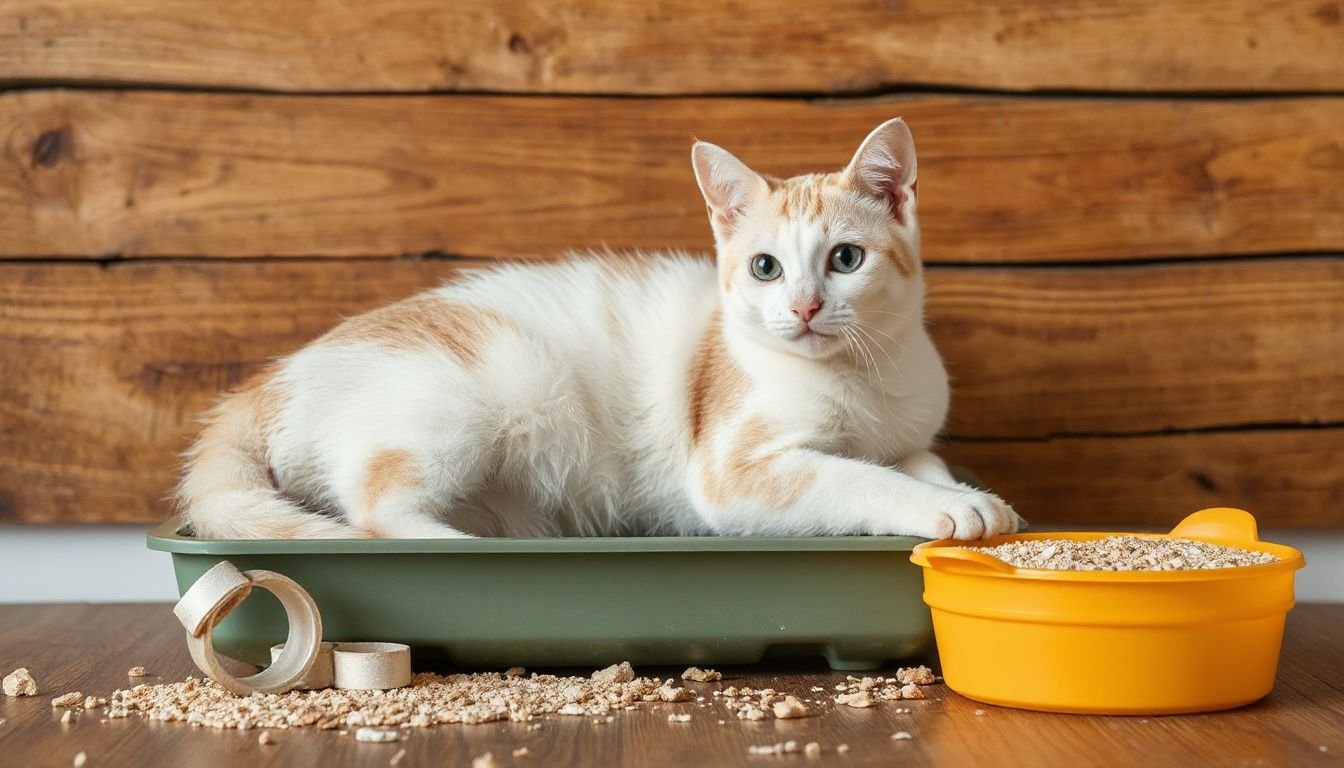
How to switch cat litter is a small change that can create big reactions. Some cats adapt in days. Others protest with avoidance, accidents, or obsessive digging. Look, that is not “bad behavior.” It is usually a mismatch between the cat’s preferences and what the new litter feels, smells, or sounds like under their paws.
A careful transition protects litter box habits, keeps your home cleaner, and reduces stress for multi-cat households. It also helps you evaluate whether the new litter actually performs better, instead of judging it during a chaotic first week. Slow is fast here.
Real-world example: a family switches from unscented clumping clay to pine pellets to reduce dust. Their adult cat starts perching on the box edge and eliminating nearby. The fix is not punishment. It is a gradual blend, a second box with the old litter, and a few small setup tweaks. Within two weeks, the cat uses the pellets reliably.
Use the steps below to transition with control, troubleshoot resistance, and choose a litter that fits your cat’s body, habits, and your home’s needs.
Buying Guide: Key Decision Factors
Before you change anything, choose the right target. Many “failed” switches happen because the new litter is objectively fine, but wrong for that specific cat. Texture is often the deciding factor. Fine-grain clay feels like sand. Pellets feel like gravel. Big difference.
Odor control matters, but fragrance can backfire. Some cats avoid scented litter because it overwhelms their sensitive sense of smell. If you are troubleshooting a picky cat, start with unscented options and add odor control through cleaning frequency and box setup.
- Texture and paw comfort: fine vs. coarse, pellets vs. granules, softness underfoot.
- Dust level: low-dust options help cats with respiratory sensitivity and reduce tracking on floors.
- Clumping style: hard clumps are easier to scoop; non-clumping can require full changes more often.
- Tracking and scatter: lightweight litters track more; mats can help, but litter choice is primary.
- Odor strategy: unscented + frequent scooping usually beats heavy perfume.
- Household fit: multi-cat homes need higher capacity and consistent maintenance.
Now, compare common litter types. This is where a quick table earns its keep.
| Type | Pros | Cons | Best For |
|---|---|---|---|
| Clumping clay (unscented) | Easy scooping, familiar texture | Dust, tracking, heavier bags | Most cats; simple transitions |
| Silica crystals | Strong odor control, low tracking | Texture can be “sharp,” higher cost | Owners prioritizing odor control |
| Pine or wood pellets | Low dust, natural odor reduction | Different feel; may require sifting system | Dust-sensitive homes; eco-focused |
| Paper-based | Soft, low dust | Weaker odor control; can get soggy | Post-surgery, seniors, sensitive paws |
One more decision factor: the box itself. High sides help scatter. Large boxes reduce “misses.” If you are switching litter, avoid changing the box style at the same time unless the current setup is clearly failing.
Step-by-Step: How to Switch Cat Litter Without Stress
The safest approach is gradual blending. It preserves your cat’s scent map and keeps the box feeling familiar. Sudden swaps are the fastest way to create avoidance, especially with pellets, crystals, or strongly scented formulas.
Start with a clean baseline. Scoop thoroughly, wash the box with mild soap and water, and dry it completely. Skip harsh cleaners. Cats can interpret strong chemical smells as “unsafe.”
- Days 1–3: 75% old litter, 25% new litter. Mix evenly, not layered.
- Days 4–6: 50% old, 50% new. Monitor box use and stool/urine location.
- Days 7–10: 25% old, 75% new. Keep scooping at least daily.
- Day 11+: 100% new litter if there are no avoidance signals.
But here’s the thing: some cats need a slower ramp. If you see hesitation, hold the current ratio for several days before increasing the new litter. If there is any elimination outside the box, pause the transition and revert one step.
For multi-cat homes, add a second box during the transition. One box can remain “mostly old” while the other becomes “mostly new.” This reduces conflict and gives you clearer feedback on preference.
- Keep location consistent: do not move the box during the switch.
- Maintain depth: most cats do well with about 2–3 inches; pellets may need less.
- Reward calm use: quiet praise or a treat after box use can reinforce confidence.
Practical example: you are switching to low-dust clumping litter for a cat with mild asthma signs. You blend over 14 days instead of 10, scoop twice daily, and place a litter mat to reduce tracking. The cat adapts with no accidents, and you can actually judge whether dust improved.

Troubleshooting: Hidden Reasons Cats Reject New Litter
If your cat rejects the new litter, assume there is a concrete reason. Cats are consistent creatures. When they avoid the box, they are communicating discomfort, fear, or a negative association.
First, identify the pattern. Is your cat refusing to enter the box? Entering but not digging? Digging excessively? Eliminating right next to the box? Each clue points to a different fix.
- Texture aversion: pellets or crystals may feel unstable or sharp. Try a finer grain or extend the blend phase.
- Smell sensitivity: scented litter, deodorizer powders, or perfumed liners can trigger avoidance. Switch to unscented.
- Dirty-box threshold: some litters mask smell to humans but still offend cats. Increase scooping frequency.
- Noise and movement: pellets can sound loud; lightweight boxes can shift. Stabilize the box and add a mat.
- Box size or entry issues: kittens and seniors may struggle with high sides. Use a low-entry box.
Now, the less obvious issues. Medical problems can look like “litter preference.” Painful urination, constipation, arthritis, or urinary tract disease can cause avoidance because the cat links the box with discomfort. If accidents begin suddenly, if there is straining, blood, vocalizing, or frequent small urinations, contact a veterinarian promptly.
Stress is another hidden driver. A new pet, guests, remodeling, or a moved box can reduce litter tolerance. Keep the environment stable during the transition. Provide quiet access and avoid placing boxes near loud appliances.
If you need a quick reset, use this approach for 72 hours: return to the last successful litter ratio, add an extra box, scoop twice daily, and remove scented products. Once habits stabilize, restart the switch more slowly.
Final Verdict
The best litter switch is the one your cat accepts without negotiation. Performance matters, but acceptance is non-negotiable. A “perfect” eco litter that triggers avoidance is not a win, no matter how low the dust or how good the odor control seems on the label.
For most cats, a gradual blend over 10–14 days is the most reliable method. It protects routine, limits stress, and gives you a fair test of clumping, odor, and tracking. If you are moving from clay to pellets or crystals, plan for a longer runway. Some cats need three weeks. That is normal.
- Best overall approach: blend ratios, keep the box location stable, and scoop daily.
- Best for sensitive cats: unscented, low-dust litter with a familiar texture.
- Best for multi-cat homes: add a temporary extra box and track which box each cat chooses.
If problems appear, do not push through. Pause, step back one ratio, and rule out medical or setup issues. Consistency beats speed. Every time.
FAQs & Conclusion
How long does it take for a cat to adjust to new litter?
Many cats adjust within 7–14 days with a gradual blend. Texture changes, such as pellets or crystals, can take 14–21 days. If your cat shows avoidance, extend the current mix ratio for several days before increasing the new litter again.
Should I add baking soda or deodorizer when switching litter?
It is usually better not to during the transition. Deodorizers can change the scent profile and trigger rejection, especially for smell-sensitive cats. Use unscented litter, scoop at least once daily, and wash the box with mild soap and water as needed.
What if my cat pees next to the box after the switch?
Treat it as a signal, not defiance. Revert to the last successful litter ratio, add a second box with the old litter, and increase cleaning frequency. If there is straining, blood, frequent small urinations, or sudden onset, contact a veterinarian promptly to rule out urinary issues.
Final Thoughts
Switching litter works best when you plan for your cat’s senses first: paws, nose, and routine. Choose a litter with a texture your cat can tolerate, transition gradually, and keep the environment stable. Small adjustments, made early, prevent bigger problems later.
If you approach the change methodically, you will get a clear outcome: either the new litter is a better fit, or your cat is telling you to choose a different option. Either result is useful. Clean habits, low stress, and a box your cat trusts are the real goals.