
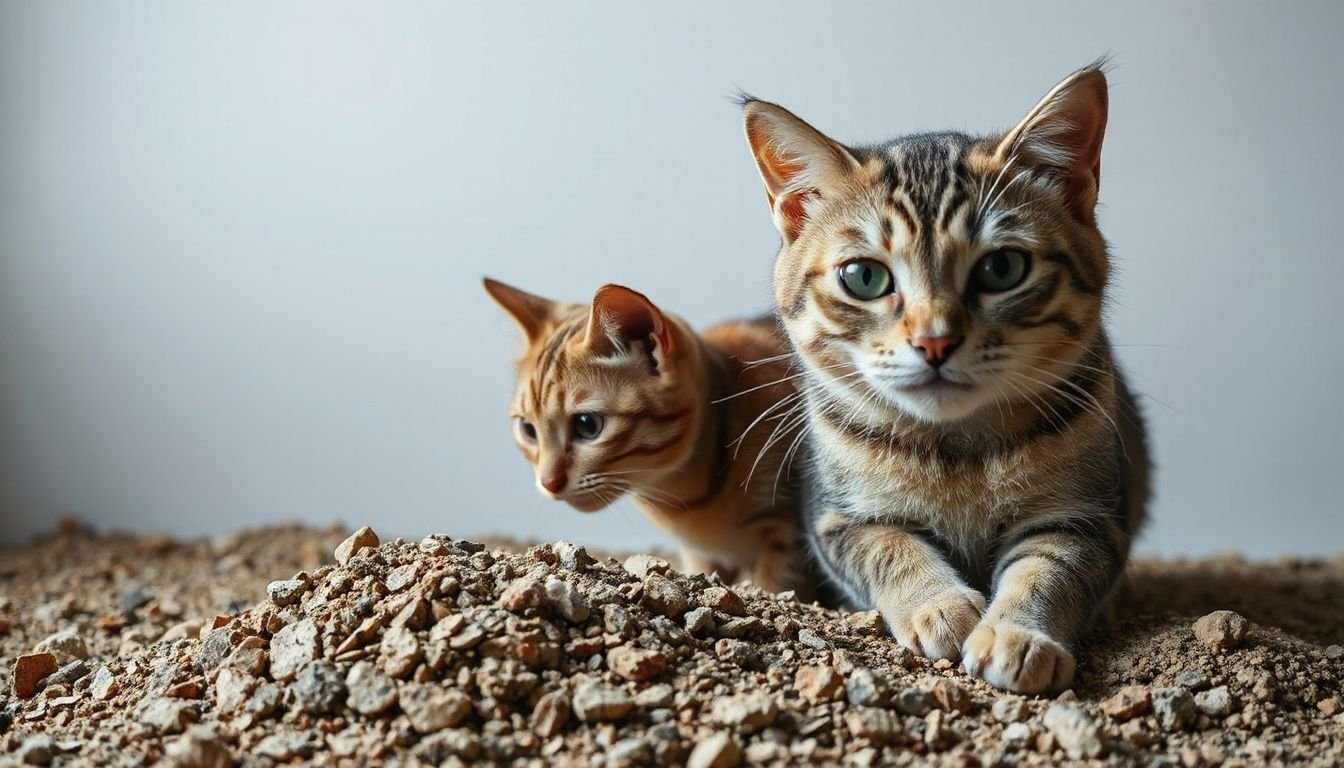
Is cat litter toxic to people, cats, or other pets? The answer depends on the material, how it is used, and what “toxic” means in your home. Some litters are low-risk in normal conditions. Others can become a problem when dust builds up, clumps are swallowed, or chemicals and fragrances are involved.
Look, most households never see a true poisoning event. But irritation and exposure are common. Think respiratory flare-ups from fine particles, stomach upset after curious chewing, or skin issues from frequent contact. Small risks. Repeated often.
- Dust and tracking that can be inhaled or spread to food-prep areas
- Clumping agents that may expand if eaten in quantity
- Fragrances and deodorizers that can trigger sensitivities
- Silica gel crystals that may irritate eyes and airways
Real-world example: a kitten starts sampling clumping litter during training. Within a day, you notice decreased appetite and repeated gagging. You call your veterinarian, switch to a non-clumping option temporarily, and tighten cleanup. Simple changes. Fast impact.
Now, the practical goal is not fear. It is control: choose the right litter, reduce dust, store it safely, and watch high-risk cats—kittens, seniors, and chronic sniffers. That is how you keep “toxic” from becoming “avoidable.”
Buying Guide: Key Decision Factors
When deciding is cat litter toxic, focus on what your cat inhales, ingests, and tracks through the home. Look past marketing terms and check the ingredient list, dust level, and scent. Small differences matter. Especially in multi-cat homes.
Start with the litter’s base material. Some options carry higher respiratory or ingestion concerns, while others are simpler and lower-dust. If your cat has asthma, chronic sneezing, or you have a baby at home, prioritize low-dust, unscented products.
- Clay (bentonite): Often clumps well, but can be dusty; avoid if respiratory sensitivity is present.
- Silica gel crystals: Low odor, but sharp granules and dust can irritate some cats; monitor paw comfort.
- Plant-based (corn, wheat, pine, paper): Typically lower dust; watch for added fragrances or mold risk if stored poorly.
Next, evaluate fragrance and additives. Scented litters can trigger avoidance, leading to accidents outside the box. Deodorizers and antimicrobial treatments may reduce odor, but they also increase chemical exposure for cats that groom their paws frequently.
Clumping performance is not just convenience; it affects hygiene. Strong clumps reduce ammonia buildup and bacterial growth when scooped daily. But here’s the thing: ultra-fine clumping formulas can create more airborne particulate during pouring.
Real-world example: a household switches from scented, high-dust clay to unscented paper pellets for a cat with mild bronchitis. Within two weeks, coughing episodes decrease, but tracking increases near the box. They add a litter mat and keep the same litter—health improves without sacrificing cleanliness.
Finally, match the product to your routine. If you cannot scoop daily, choose better odor control and larger-grain, low-dust options. If you can, prioritize simpler, unscented formulas and consistent box maintenance.
Is Cat Litter Toxic? What the Science Says
Is cat litter toxic? In most households, standard litter is not “poison” in the classic sense, but it can create health risks through dust, ingestion, and microbial contamination. The science points to exposure pathways, not a single universal toxin.
Clumping clay litter is often made from sodium bentonite. Research and veterinary guidance commonly flag inhalable particulate matter as the primary concern, especially for cats or people with asthma. Look, the issue is usually chronic irritation, not an acute emergency.
Silica gel litter can release fine silica dust when poured or disturbed. Amorphous silica is generally considered less hazardous than crystalline silica, but dust still irritates airways and eyes. Scented products may also trigger headaches or respiratory symptoms in sensitive individuals.
The most serious “toxic” risk is not the litter material. It is Toxoplasma gondii from infected cat feces, which can be dangerous in pregnancy or for immunocompromised people. Good hygiene and daily scooping sharply reduce exposure.

- Inhalation: dust from clay, silica, or tracking particles can aggravate lungs.
- Ingestion: kittens may eat litter; clumping types can cause GI blockage.
- Chemical sensitivity: fragrances and deodorizing agents can irritate.
- Pathogens: fecal organisms pose higher risk than the substrate.
Real-world example: a family switches to a heavily scented clumping litter and notices their cat coughing after digging. They move the box to a ventilated area, choose a low-dust, unscented litter, and the coughing resolves within days. Now, if coughing persists, a veterinary exam is warranted.
Practical safeguards are straightforward: scoop daily, wash hands, avoid shaking dusty pans, and consider a low-dust, unscented option. Pregnant people should not handle litter, or should use gloves and a mask with thorough handwashing.
Types of Cat Litter and Their Risk Profiles
Is cat litter toxic? It depends on the material, dust level, and how it is used. Most risks are exposure-based, not “one-time contact” hazards. Look, the same litter can be low-risk for one household and problematic for another.
Risk increases when fine particles become airborne, when kittens or dogs eat litter, or when immunocompromised people handle waste. Scented formulas can also trigger headaches or respiratory irritation in sensitive individuals. Good ventilation and routine cleaning change the equation fast.
- Clay (clumping sodium bentonite): Common and effective, but dust can irritate airways; ingestion may cause GI upset or constipation, especially in kittens.
- Clay (non-clumping): Usually less tracking, yet still dusty; ammonia control depends on frequent changes.
- Silica gel crystals: Low odor, low moisture, but crystals and dust may irritate eyes and lungs if poured aggressively; ingestion can cause GI irritation.
- Plant-based (corn, wheat, pine, paper): Often lower dust; some cats eat it, and mold risk rises if stored damp; pine can emit aromatic compounds that bother very sensitive cats.
- Walnut/coconut/grass blends: Typically good odor control; watch for fragrance additives and fine “meal” dust in some brands.
Real-world example: a household with an asthmatic cat switches from dusty clumping clay to low-dust paper pellets. They also pour litter slowly and vacuum around the box twice weekly. The cat’s coughing episodes drop, but odor control requires more frequent scooping.
Best practice: choose the lowest-dust option your cat will use, avoid heavy fragrances, and wash hands after scooping. If anyone in the home is pregnant, immunocompromised, or has lung disease, prioritize dust control and strict waste hygiene.
Step-by-Step: Safer Use, Storage, and Disposal
Is cat litter toxic in day-to-day use? It can be, depending on dust, additives, and how it is handled. The goal is simple: reduce inhalation, prevent accidental ingestion, and control germs.
Start with safer handling. Look for low-dust formulas, then open and pour bags slowly at floor level to limit airborne particles. If you have asthma, are pregnant, or are immunocompromised, wear a well-fitting mask and wash hands immediately after scooping.
- Set up ventilation: Place boxes in a well-ventilated area, not a cramped closet or near HVAC returns.
- Scoop smart: Remove waste daily; clumps left behind increase ammonia and microbial load.
- Control dust: Use a covered bin for refills, and avoid shaking the scoop to “clean” it.
- Protect kids and pets: Keep boxes behind a baby gate if toddlers mouth objects or dogs eat litter.
Storage matters more than people think. Keep unopened and refill containers sealed, dry, and off the floor to prevent moisture, mold, and pest contamination. Never store litter next to pet food, human food, or food-prep items. Cross-contact happens fast.
Disposal should follow local rules. Most communities want bagged litter in the trash; flushing is often discouraged because it can clog pipes and spread pathogens. Double-bag waste if odor is a problem, and disinfect the scoop weekly with hot soapy water, then air-dry.
Real-world example: a household with one cat and a curious dog uses a lidded box plus a diaper pail for sealed waste bags. They scoop nightly, replace litter weekly, and keep refills in a gasketed bin in the laundry room. Fewer odors. Less tracking. Lower exposure.
Review: Safer Cat Litter Options and What to Avoid
Is cat litter toxic? It can be, depending on the material, dust level, and added fragrances. Look, most risks come from inhaled dust, irritant chemicals, and accidental ingestion during grooming. The goal is simple: reduce airborne particles and avoid unnecessary additives.
Safer choices tend to be low-dust, unscented, and made from larger, heavier granules that do not aerosolize easily. Paper and wood-based litters are often well tolerated in sensitive households. But here’s the thing: “natural” does not automatically mean “non-irritating,” so observe your cat and your own symptoms.
- Paper pellets: very low dust, good for cats with asthma or post-surgery paws.
- Wood pellets: low tracking, mild odor control, but can crumble if soaked.
- Corn or wheat: good clumping, but store carefully to prevent pests or mold.
- Silica crystals: strong moisture control; choose low-dust versions and avoid heavy fragrances.
What to avoid? Prioritize risk reduction over marketing claims. High-dust clay, strongly scented formulas, and litters with deodorizing chemicals are common triggers for coughing, watery eyes, and skin irritation in people and pets.

- Fragranced litter and odor “boosters” that add volatile compounds.
- Very dusty clumping clay, especially in poorly ventilated rooms.
- Loose powders (deodorizers, baking soda clouds) that become airborne.
Real-world example: a client with a wheezing cat switched from scented clumping clay to unscented paper pellets, added a high-sided box, and scooped twice daily. Within two weeks, the cat’s coughing episodes dropped noticeably, and the home’s dust settled less on nearby surfaces.
Final Verdict
Is cat litter toxic? Sometimes. Most products are safe when used correctly, but specific materials and exposure patterns can create real risk for cats and people. The biggest issues are dust inhalation, accidental ingestion, and chemical additives, not the litter’s existence in the home.
Look, “toxic” is rarely a yes-or-no label. A low-dust, unscented litter used in a well-ventilated area is typically a low-risk choice for healthy adult cats. But here’s the thing: kittens, seniors, brachycephalic breeds, and anyone with asthma or COPD have less margin for error.
Practical example. A household switches from heavily scented clumping clay to a low-dust, unscented paper pellet. Within two weeks, the cat’s sneezing decreases, and the owner reports less throat irritation during scooping. Same hygiene routine. Lower airborne particulate exposure.
- Prioritize low-dust, unscented formulas and avoid “deodorizing” fragrances that can irritate airways.
- Reduce exposure: scoop daily, wash hands, and keep the box out of kitchens and HVAC returns.
- Match litter to the cat: avoid fine dusty litters for respiratory-prone cats; avoid loose, easily eaten granules for kittens.
- Use smart handling: pour slowly, store sealed, and consider a mask if you are sensitive to dust.
If you are pregnant or immunocompromised, treat litter as a biohazard task. Delegate scooping when possible and follow veterinary and medical guidance on toxoplasmosis prevention. Now, if your cat coughs, wheezes, vomits litter, or stops using the box, change the product and speak with your veterinarian promptly.
Frequently Asked Questions
Is is cat litter toxic to humans?
Most cat litters are not highly toxic with normal household use, but they can cause irritation or illness if dust is inhaled or if litter is accidentally ingested. Risk increases for children, pregnant people, older adults, and anyone with asthma or compromised immunity.
Look, “not highly toxic” does not mean “risk-free.” Good ventilation, low-dust products, and careful hand hygiene reduce exposure substantially.
- Avoid inhaling dust when pouring or scooping.
- Wash hands after handling litter or the box.
- Keep litter products out of reach of children.
Can cat litter make you sick from toxoplasmosis?
Toxoplasmosis is linked to the parasite Toxoplasma gondii, which may be present in infected cats’ feces, not the litter itself. The main risk comes from handling contaminated waste and then touching your mouth, food, or face.
Now, timing matters. The parasite typically needs time to become infectious, so daily scooping and proper disposal can lower risk.
- Scoop at least once daily; more often is better.
- Wear disposable gloves if you are pregnant or immunocompromised.
- Clean the box with hot water and detergent; avoid aerosolizing dust.
Which cat litter types are most concerning for toxicity or irritation?
Concerns vary by product and user sensitivity. Clay and scented litters may increase respiratory irritation due to dust and added fragrances, while some alternative litters can trigger allergies depending on the material.
But here’s the thing: “natural” does not automatically mean safer. The best choice is the one that controls odor and moisture while minimizing dust and fragrance exposure in your home.
- Clumping clay (bentonite): dust and respiratory irritation are common concerns.
- Scented litters: may aggravate headaches, asthma, or allergies.
- Silica gel: can be dusty; avoid inhalation and eye exposure.
- Plant-based (corn, wheat, pine): may trigger allergies in sensitive individuals.
What happens if a child or dog eats cat litter?
Small amounts may cause stomach upset, constipation, or coughing if dust is inhaled. Clumping litter is a bigger concern because it can form masses when wet, increasing the risk of gastrointestinal blockage, especially in small dogs and young children.
Real-world example: a toddler playing near the box puts a handful of clumping litter in their mouth, then begins coughing from dust and later vomits. In that scenario, remove remaining litter from the mouth, rinse with water, and contact a poison control center or clinician for guidance based on symptoms and amount.
- Call for urgent advice if there is persistent vomiting, lethargy, abdominal pain, or breathing trouble.
- Bring the litter packaging to the phone or clinic; ingredients matter.
- Prevent repeat exposure by using a covered box or a gated litter area.
How can I reduce the risks of cat litter exposure at home?
Use practical controls. Choose low-dust, unscented litter, scoop frequently, and keep the box in a well-ventilated area away from kitchens and eating spaces.
Don’t overcomplicate it. A few consistent habits usually deliver the biggest safety gains.
- Ventilation: open a window or run an exhaust fan during changes.
- Personal protection: consider a mask if you are dust-sensitive.
- Cleaning routine: wash hands, disinfect surfaces, and replace litter on schedule.
- Placement: keep boxes away from children’s play areas and pet feeding stations.