
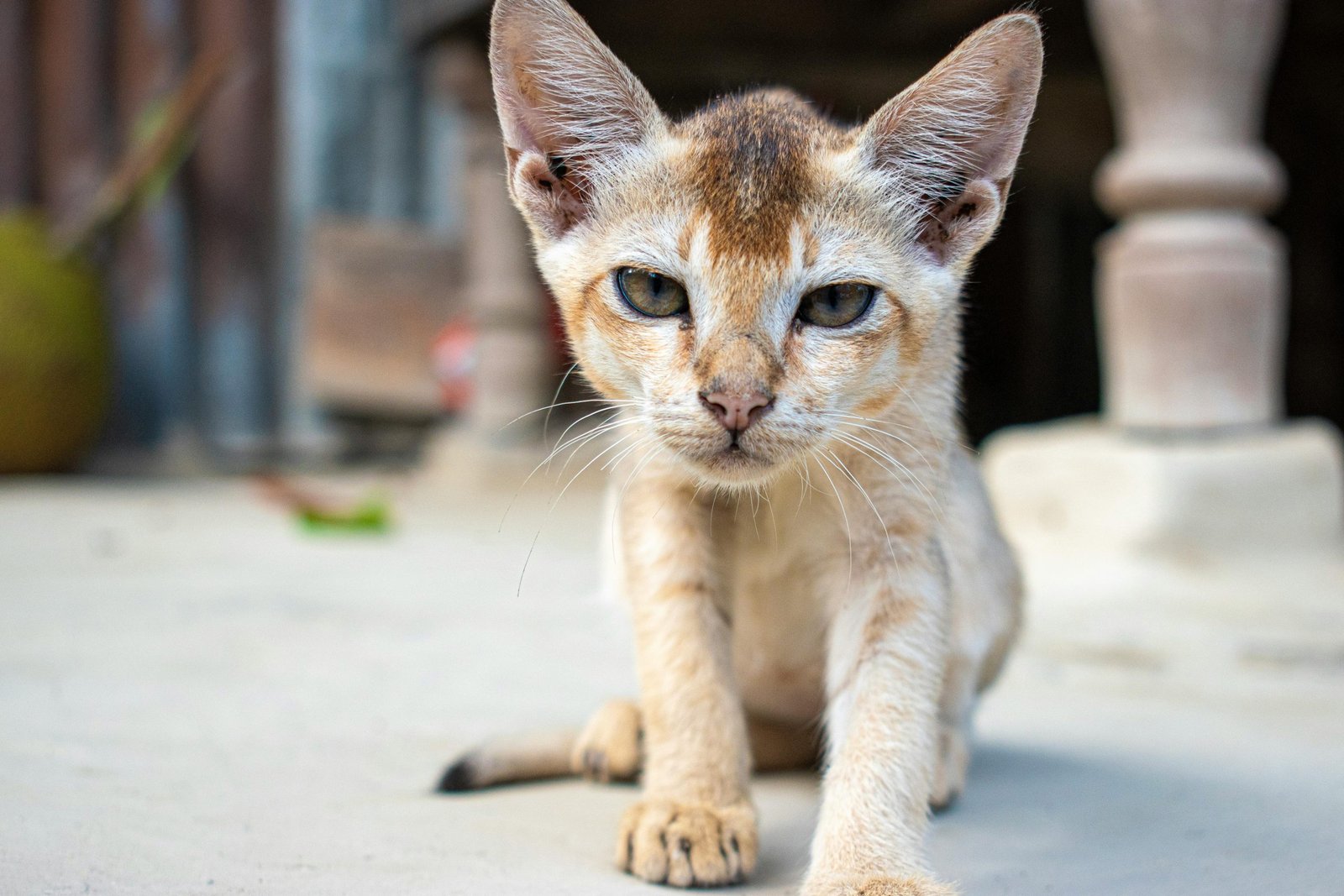
Is your beloved feline friend exhibiting a distressing combination of watery eyes and frequent sneezing? It’s a common concern for many cat owners, and understandably, you’re searching for answers to *why is my cat’s eye watering and sneezing*. This isn’t just a minor annoyance for your pet; these symptoms can indicate a range of underlying health issues, from simple irritations to more serious infections or chronic conditions. Understanding the potential causes is the first crucial step towards ensuring your cat receives the appropriate care and returns to their happy, healthy self.
Observing your cat’s health is paramount, as they often mask discomfort. A watery eye, sometimes accompanied by discharge, coupled with persistent sneezing, can be a clear signal that something is amiss. This comprehensive guide will delve into the various reasons behind these symptoms, equip you with the knowledge to identify other crucial signs, and empower you to make informed decisions regarding your cat’s well-being. By the end of this article, you’ll have a much clearer picture of what might be happening with your cherished companion and when it’s time to seek professional veterinary advice.
Unraveling the Mystery: Why is Your Cat’s Eye Watering and Sneezing?
When your cat’s eyes are watering and they’re sneezing, it’s a clear signal that their body is reacting to an irritant or infection. These symptoms are often interconnected, pointing towards issues affecting the upper respiratory tract or the delicate structures of the eye. Understanding the most common culprits can help you narrow down the possibilities and act decisively for your pet’s comfort.
Common Respiratory Infections: The Feline Flu Connection
One of the most frequent reasons *why is my cat’s eye watering and sneezing* is an upper respiratory infection (URI), often referred to as “cat flu.” These infections are highly contagious, especially in multi-cat households or shelters. The primary culprits are typically viruses, with Feline Herpesvirus-1 (FHV-1) and Feline Calicivirus (FCV) being the most prevalent.
* Feline Herpesvirus (FHV-1): This virus causes symptoms akin to a human cold, including sneezing, conjunctivitis (inflammation of the eye lining), watery or discharge-filled eyes, and nasal discharge. Once a cat contracts FHV-1, it remains a carrier for life, with stress often triggering flare-ups.
* Feline Calicivirus (FCV): FCV also presents with sneezing and eye discharge, but it can additionally cause oral ulcers (sores in the mouth), lameness, and sometimes pneumonia. Cats infected with FCV can shed the virus intermittently, even when asymptomatic.
Bacterial infections, such as those caused by Chlamydophila felis or Bordetella bronchiseptica, can also lead to similar symptoms, either as primary infections or secondary complications to viral illnesses. These bacterial invaders often cause thick, yellow-green eye and nasal discharge.
Allergies: Not Just for Humans, Cats Get Them Too!
Just like people, cats can suffer from allergies, which can manifest as sneezing and watery eyes. While less common than infections, feline allergies are a growing concern. Your cat might be reacting to environmental allergens found indoors or outdoors.
* Environmental Allergens: Pollen, dust mites, mold spores, and even certain perfumes or cleaning products can trigger allergic reactions in sensitive cats. These airborne particles can irritate the nasal passages and eyes, leading to sneezing, itching, and excessive tearing.
* Food Allergies: Although less directly linked to acute sneezing and watery eyes, chronic food allergies can sometimes contribute to overall inflammation and sensitivity, potentially exacerbating respiratory or ocular symptoms.
Identifying feline allergies can be challenging, often requiring a process of elimination with your veterinarian. However, recognizing this possibility is crucial for comprehensive care.
Environmental Irritants and Foreign Bodies: Simple Yet Significant Causes
Sometimes, the reason *why is my cat’s eye watering and sneezing* is much simpler than an infection or allergy. Environmental irritants or foreign bodies can cause immediate and noticeable symptoms.
* Dust and Smoke: Exposure to excessive dust (e.g., from dusty litter, renovation work) or smoke (tobacco smoke, fireplace smoke) can irritate a cat’s delicate respiratory system and eyes, prompting sneezing and tearing.
* Strong Scents: Air fresheners, scented candles, cleaning chemicals, and even strong perfumes can be overwhelming for a cat’s sensitive nose and eyes, leading to irritation.
* Foreign Bodies: A tiny piece of dust, a grass seed, or even a stray hair can get lodged in your cat’s eye or nasal passage. This foreign body acts as an irritant, causing the eye to water excessively as it tries to flush it out, and potentially leading to sneezing if it affects the nasal cavity.
Prompt removal of the irritant or foreign body, usually by a vet, is key to resolving these issues.
Decoding the Symptoms: What Else Should You Look For?
Understanding *why is my cat’s eye watering and sneezing* requires more than just observing these two primary signs. A holistic assessment of your cat’s overall health and behavior can provide critical clues for diagnosis and treatment. Pay close attention to additional symptoms that may accompany the watery eyes and sneezing.
Discharge Types and Colors: A Visual Guide
The appearance of eye and nasal discharge can offer significant insights into the underlying cause. Observing the color and consistency is vital:
* Clear and Watery: This type of discharge often indicates a viral infection (like early stages of Feline Herpesvirus), allergies, or irritation from foreign bodies or environmental factors. It’s the body’s initial attempt to flush out the problem.
* Thick, Yellow, or Green: This usually points towards a bacterial infection, either primary or secondary to a viral illness. The pus-like consistency is a hallmark of bacterial involvement and warrants veterinary attention.
* Mucous-like: A thick, snotty discharge can occur with both viral and bacterial infections, and sometimes with chronic irritation or allergies.
It’s important to note if the discharge is unilateral (affecting one eye/nostril) or bilateral (affecting both), as this can also help differentiate conditions. For example, a foreign body is more likely to cause unilateral symptoms.
Behavioral Changes and Lethargy: Beyond the Sniffles
A cat’s behavior is a powerful indicator of their well-being. When they’re feeling unwell, you’ll likely notice changes that extend beyond just physical symptoms.
* Lethargy and Reduced Activity: Cats experiencing infections or significant discomfort may become less active, sleep more, and show a decreased interest in play. This is a common sign of systemic illness.
* Hiding or Withdrawal: Sick cats often seek quiet, secluded spots to rest and recover. If your normally social cat starts hiding, it’s a red flag.
* Pawing at Face/Eyes: If your cat is pawing at their face, rubbing their eyes, or blinking excessively, it indicates discomfort or itchiness, potentially due to a foreign body, allergies, or severe conjunctivitis.
* Changes in Grooming: A sick cat might neglect their grooming habits, leading to a dull or unkempt coat. Conversely, excessive grooming around the face might suggest irritation.
These behavioral shifts provide crucial context to the physical symptoms and can help your vet understand the severity of your cat’s condition.
Appetite and Hydration Concerns: Essential for Recovery
A cat’s appetite and hydration status are critical markers of health. Any significant changes here should raise immediate concern, especially when accompanied by sneezing and watery eyes.
* Decreased Appetite (Anorexia): Respiratory infections can impair a cat’s sense of smell, making food unappetizing. Oral ulcers (common with Feline Calicivirus) can also make eating painful. Prolonged anorexia can quickly lead to serious health complications like hepatic lipidosis (fatty liver disease), especially in overweight cats.
* Reduced Water Intake: Dehydration is a risk for sick cats, particularly if they have a fever or are not feeling well enough to drink. Monitor their water bowl and consider offering wet food to increase fluid intake.
If your cat is not eating or drinking for more than 24 hours, it’s a serious situation requiring immediate veterinary intervention. Early recognition of these signs can significantly impact the effectiveness of treatment and your cat’s recovery.
When to Act: Urgent Signs Requiring a Vet Visit for Your Sneezing, Watery-Eyed Cat
Understanding *why is my cat’s eye watering and sneezing* is only half the battle; knowing when to seek professional help is equally vital. While some mild irritations might resolve on their own, many causes require veterinary diagnosis and treatment. Ignoring persistent or worsening symptoms can lead to more severe health complications for your feline companion.
Persistent Symptoms and Worsening Conditions: Don’t Delay!
It’s tempting to “wait and see” when your pet shows mild signs of illness, but certain indicators should prompt an immediate call to your veterinarian.
* Duration and Severity: If the sneezing and watery eyes persist for more than 24-48 hours, or if they worsen significantly, it’s time for a vet visit. This is especially true if clear discharge turns yellow or green, indicating a bacterial infection.
* Additional Concerning Symptoms: The presence of a fever, lethargy, loss of appetite, difficulty breathing, limping, oral ulcers, or severe eye inflammation (e.g., swelling, redness, squinting) alongside the initial symptoms indicates a more serious condition requiring urgent attention.
* One Eye vs. Both: If only one eye is affected, it might suggest a foreign body or localized injury, which often needs prompt professional examination to prevent further damage.
Delaying veterinary care can allow infections to spread, lead to chronic conditions, or cause irreversible damage, particularly to the eyes. Early intervention can significantly improve outcomes.
Understanding Diagnostic Approaches: Getting to the Root Cause
When you bring your cat to the vet for watery eyes and sneezing, a thorough diagnostic process will typically unfold to pinpoint the exact cause. This is crucial because treatment varies significantly depending on the underlying issue.
* Physical Examination: The vet will perform a comprehensive physical exam, including checking your cat’s eyes, ears, nose, throat, and listening to their heart and lungs. They will look for signs like ulcers, swelling, foreign bodies, or unusual discharge.
* Ophthalmic Examination: A detailed eye exam might involve special stains (like fluorescein) to check for corneal ulcers, or a Schirmer tear test to assess tear production.
* Laboratory Tests: Depending on the initial findings, the vet might recommend:
* Swabs: Samples from the eyes or nose can be tested for viral (PCR tests for FHV-1, FCV) or bacterial (culture and sensitivity) pathogens.
* Blood Work: To assess overall health, detect systemic inflammation, or rule out other conditions.
* Allergy Testing: In cases where allergies are suspected, specific tests might be considered, though often diagnosis relies on elimination diets or environmental changes.
A precise diagnosis is the cornerstone of effective treatment, ensuring your cat receives the right medication and care plan.
Prevention Strategies for a Healthy Feline: A Proactive Approach
While not all illnesses can be prevented, several proactive measures can significantly reduce the likelihood of your cat developing watery eyes and sneezing.
* Vaccinations: Ensure your cat is up-to-date on core vaccinations, especially the FVRCP vaccine, which protects against Feline Viral Rhinotracheitis (Herpesvirus), Calicivirus, and Panleukopenia. These are highly effective against common URI pathogens.
* Hygiene and Environment:
* Keep your cat’s living environment clean, minimizing dust and using unscented litter.
* Avoid using strong chemical cleaners, air fresheners, or smoking indoors, as these can be irritants.
* Regularly clean your cat’s bedding and toys.
* Stress Reduction: Stress can trigger flare-ups of latent viral infections like Feline Herpesvirus. Provide a consistent routine, safe spaces, and enrichment to help keep your cat calm and happy.
* Nutrition and Hydration: A balanced diet and constant access to fresh water support a robust immune system, making your cat more resilient to illness.
* Isolation of New Cats: If introducing a new cat into your home, quarantine them for several weeks to monitor for any signs of illness and prevent potential disease transmission.
Prevention is always better than cure. By implementing these strategies, you can significantly contribute to your cat’s long-term health and well-being, minimizing episodes of watery eyes and sneezing.
Effective Home Care and Veterinary Treatments for Feline Conjunctivitis and Sneezing
Once you understand *why is my cat’s eye watering and sneezing*, the next crucial step is determining the best course of action for treatment. While some mild cases might benefit from supportive home care, most situations require a veterinarian’s expertise to resolve the underlying issue effectively and prevent complications.
Gentle Cleaning and Comfort Measures: Supporting Your Cat at Home
Before or alongside veterinary treatment, certain home care measures can help alleviate your cat’s discomfort and keep them cleaner.
* Gentle Eye Cleaning: Use a soft, clean cloth or cotton ball moistened with warm water or a veterinarian-approved ophthalmic solution to gently wipe away any discharge from around your cat’s eyes. Always wipe away from the eye and use a fresh cloth for each eye to prevent cross-contamination.
* Nasal Passage Clearing: If nasal discharge is crusting, a warm, moist cloth can help soften and remove it, making breathing easier. A humidifier in the room can also help loosen nasal secretions.
* Encourage Appetite and Hydration: Offer highly palatable wet food, perhaps warmed slightly to enhance its aroma, to tempt your cat to eat. Ensure fresh water is always available, and consider offering a drinking fountain to encourage intake.
Remember, these are supportive measures and not a substitute for professional veterinary care, especially if symptoms persist or worsen.
Medical Interventions: Antibiotics, Antivirals, and Anti-inflammatories
Veterinary treatment for watery eyes and sneezing will depend entirely on the diagnosis. Your vet will tailor a plan based on the specific cause.
* Antibiotics: If a bacterial infection is identified or suspected (e.g., thick, colored discharge, positive bacterial culture), your vet will prescribe antibiotics. These can be in the form of eye drops or ointments for localized infections, or oral antibiotics for more systemic issues.
* Antivirals: For viral infections like Feline Herpesvirus, antiviral medications (e.g., famciclovir) may be prescribed, especially during severe flare-ups. L-lysine supplements are also sometimes recommended to help manage herpesvirus, though their efficacy is debated among veterinarians.
* Anti-inflammatories: Non-steroidal anti-inflammatory drugs (NSAIDs) might be used to reduce fever, pain, and inflammation associated with severe infections or allergies. Ophthalmic anti-inflammatory drops might also be prescribed for severe conjunctivitis.
* Allergy Management: For allergies, treatment focuses on identifying and avoiding the allergen. Antihistamines or corticosteroids might be prescribed to manage severe allergic reactions, and sometimes specialized diets are recommended for food sensitivities.
Always administer medications exactly as prescribed by your veterinarian, completing the full course even if your cat appears to improve quickly.
Long-term Management for Chronic Conditions: Living with Persistent Issues
Some causes of watery eyes and sneezing, particularly Feline Herpesvirus, can become chronic or recurrent issues. Long-term management focuses on minimizing flare-ups and maintaining your cat’s quality of life.
* Stress Reduction: As stress is a major trigger for FHV-1 flare-ups, creating a stable, low-stress environment is paramount. This includes consistent routines, ample enrichment, and minimizing sudden changes. Feliway diffusers can also be helpful.
* Immune Support: Maintaining a high-quality diet, ensuring proper hydration, and sometimes adding immune-boosting supplements (under vet guidance) can help support your cat’s natural defenses.
* Environmental Control: For cats with chronic allergies, strict control of environmental allergens (e.g., air purifiers, frequent dusting, hypoallergenic litter) is essential.
* Regular Vet Check-ups: Frequent veterinary visits allow for early detection of potential issues and adjustment of long-term management plans. Your vet can provide guidance on managing chronic symptoms and preventing secondary infections.
Living with a cat prone to these issues requires patience and consistent care. By working closely with your veterinarian, you can develop a comprehensive strategy to keep your feline companion as comfortable and healthy as possible, even with chronic conditions.
Frequently Asked Questions
Why is my cat’s eye watering and sneezing but acting normal otherwise?
If your cat’s eye is watering and they are sneezing but otherwise seem playful and have a good appetite, it could indicate a mild irritant, early stages of a viral infection, or environmental allergies. Continue to monitor them closely for any changes in behavior or worsening symptoms, and consider a vet visit if symptoms persist beyond 24-48 hours.
Can a cat’s eye watering and sneezing be a sign of something serious?
Yes, while often due to common infections or irritants, these symptoms can sometimes signal more serious conditions like severe bacterial infections, complicated corneal ulcers, or even certain systemic diseases. Always consult a vet if symptoms are severe, persistent, or accompanied by lethargy, loss of appetite, or difficulty breathing.
What should I do if my cat’s eye discharge is yellow or green?
Yellow or green eye discharge typically indicates a bacterial infection, which often requires antibiotic treatment. You should contact your veterinarian promptly for an examination and appropriate medication to prevent the infection from worsening or causing further complications.
Are human cold remedies safe for cats with watery eyes and sneezing?
Absolutely not. Never give your cat human cold remedies or any over-the-counter medications without specific veterinary guidance. Many human medications are toxic to cats and can cause severe, life-threatening reactions.
How can I prevent my cat from getting watery eyes and sneezing?
Prevention includes keeping vaccinations up-to-date, maintaining a clean and low-stress environment, using unscented litter, avoiding strong irritants like smoke or air fresheners, and ensuring a healthy diet. Regular vet check-ups also help in early detection and management.
My cat only has one watery eye and is sneezing. What does that mean?
A single watery eye, especially if accompanied by pawing or squinting, might suggest a foreign body (like a dust particle or grass seed), a scratch, or a localized injury to that eye. While sneezing might be a general reaction, the unilateral eye symptom warrants immediate veterinary examination to rule out corneal damage or a foreign object.
Can stress make my cat’s eye watering and sneezing worse?
Yes, stress is a significant trigger for flare-ups of Feline Herpesvirus, a common cause of watery eyes and sneezing. Reducing stress through a stable environment, consistent routines, and enrichment can help minimize the frequency and severity of these episodes.
Final Thoughts on why is my cat’s eye watering and sneezing
Navigating the complexities of your cat’s health can be daunting, especially when faced with symptoms like watery eyes and persistent sneezing. We’ve explored the primary culprits, from common viral infections like Feline Herpesvirus and Calicivirus to environmental allergies and simple irritants. Understanding these potential causes is the bedrock of responsible pet ownership, empowering you to better interpret your cat’s signals and respond effectively. Remember, your cat relies on you to be their advocate, and their subtle signs of discomfort often speak volumes.
Moreover, recognizing the crucial accompanying symptoms, such as changes in discharge color, lethargy, or a sudden loss of appetite, is just as important as identifying the initial signs. These additional clues provide your veterinarian with a more complete picture, guiding them toward an accurate diagnosis and the most effective treatment plan. Early intervention is not merely beneficial; it’s often critical in preventing minor issues from escalating into serious, long-term health problems for your beloved companion.
Whether the solution involves gentle home care, a course of antibiotics, antivirals, or long-term management strategies for chronic conditions, working in close partnership with your veterinarian is paramount. They possess the expertise and diagnostic tools necessary to pinpoint the exact reason *why is my cat’s eye watering and sneezing* and to prescribe a tailored approach. Proactive measures, including regular vaccinations, maintaining a clean and low-stress environment, and ensuring proper nutrition, are your best defenses against these common feline ailments.
Ultimately, your vigilance and prompt action are the greatest gifts you can give your cat when they’re unwell. Don’t hesitate to seek professional advice if you notice persistent or worsening symptoms. By staying informed and being proactive, you can help ensure your feline friend remains vibrant, comfortable, and a cherished part of your family for many years to come. Start implementing these insights today to safeguard your cat’s health and happiness.