
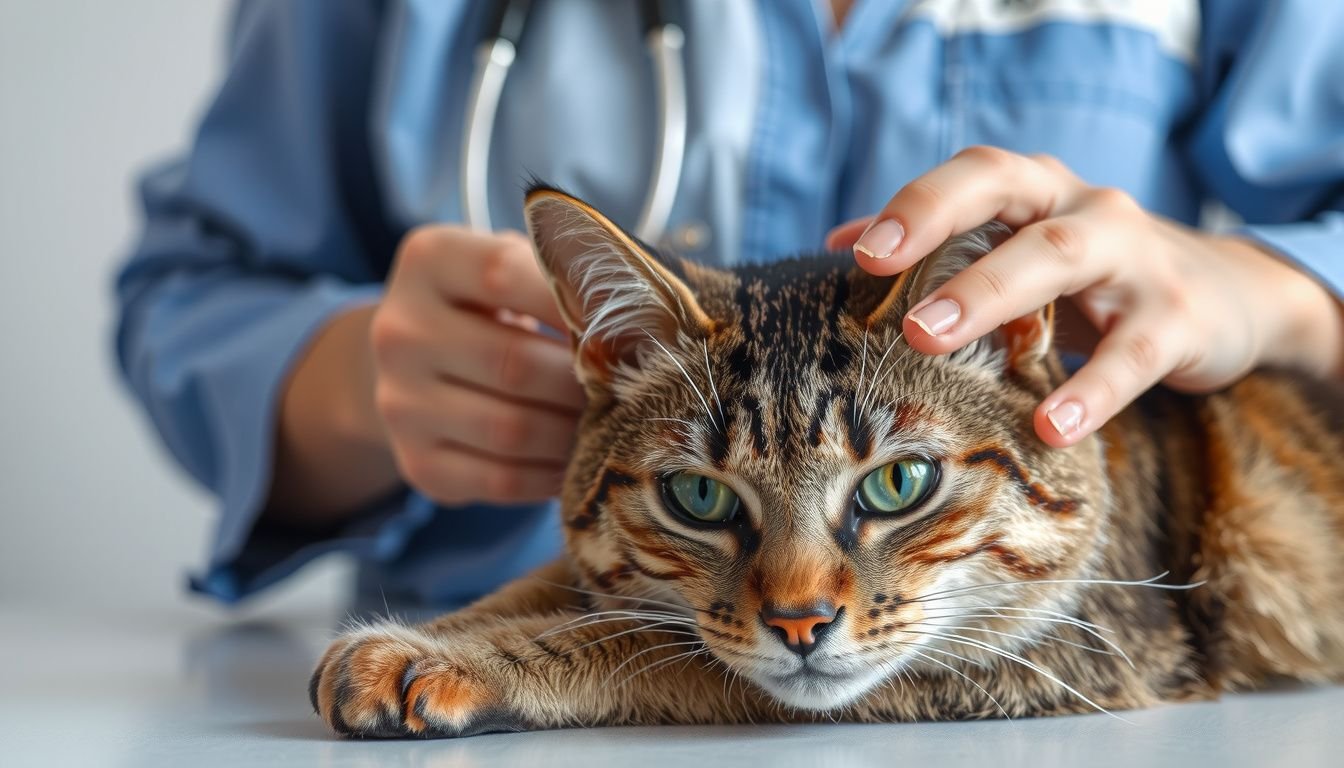
If you’re wondering how to care for cat wound at home, you’re in the right place. Cats are agile and curious, making cuts, scratches, or bites a common occurrence. Knowing what to do right after you spot a wound can make a huge difference in how quickly your cat heals—and whether complications develop.
This step-by-step guide walks you through every phase, from prepping your supplies to knowing when it’s time to call your vet. You’ll also learn what to look for as wounds heal and what signals a deeper issue. Let’s get you ready to confidently handle minor cat wounds at home, so you can keep your feline friend healthy, comfortable, and safe.
Prepare Your Supplies and Create a Calm Environment
Your first step is to set yourself—and your cat—up for success. Gather everything you’ll need before approaching your cat, as cats sense stress and can become anxious quickly.
- Clean towels or gauze pads
- Saline solution or lukewarm sterile water
- Disposable gloves
- Antiseptic solution (chlorhexidine or povidone-iodine, never hydrogen peroxide or alcohol)
- Non-stick wound dressings and adhesive tape
Choose a quiet, well-lit space. Wash your hands thoroughly and put on gloves to protect both you and your cat from bacteria. Calm your cat by speaking softly and using gentle movements.
If your cat is especially nervous, ask a family member to help hold her securely in a towel “burrito” for extra safety.
Pro tip: A favorite treat afterward can help your cat associate wound care with positive experiences.
Assess the Wound and Determine Severity
Before jumping into treatment, take a close look at the wound. You’ll need to know whether it’s something you can handle at home or if a vet visit is needed.
- Minor wounds: Superficial scratches, shallow cuts, or small punctures.
- Serious wounds: Deep or gaping cuts, severe bleeding, wounds exposing muscle or bone, or those caused by animal bites.
Press a clean cloth gently against any bleeding wound for 3-5 minutes. If bleeding doesn’t slow or stop, or if the wound looks deep, skip home care and call your vet now.
Look for debris, dirt, or signs of infection (pus, foul odor). Never try to remove deeply embedded objects—leave that to professionals.
Example: If your indoor cat gets a small scratch on her ear during play, this is likely safe for home care. But a bite wound from a neighborhood cat requires veterinary attention.
Clean the Wound with Safe Techniques
Cleaning is the most important part of home wound care. Gently trim fur around the wound if possible, using blunt scissors. This prevents hair from sticking to the wound or trapping bacteria.
- Flush the area with saline or lukewarm sterile water. Never use hydrogen peroxide or alcohol—these damage healthy tissue and delay healing.
- Pat the wound dry with sterile gauze; avoid cotton balls as fibers can stick and cause irritation.
- If you see dried blood or dirt, gently soak the area for a few minutes before attempting to clean.
Handle your cat gently but firmly. If your cat struggles, take a break—forcing the process can make things worse for both of you.
Common mistake: Using harsh cleaners or scrubbing the wound. Always be gentle and stick with saline or vet-approved antiseptics.
Apply Appropriate First Aid and Dress the Wound
Once the wound is clean, apply a thin layer of pet-safe antiseptic ointment (never human products unless your vet approves). For minor wounds, leaving the area open to air is often best, as it helps healing.
- If the wound is in a location prone to licking or scratching, cover it with a non-stick dressing and secure with medical tape—not too tight, as circulation matters.
- Change dressings daily, checking for signs of infection or irritation.
- Prevent your cat from licking the wound by using an Elizabethan collar (e-collar) if needed.
Monitor your cat’s behavior: excessive licking, biting, or scratching can reopen wounds. If you notice this, reinforce the dressing or use a collar as a deterrent.
Pro tip: If your cat is prone to stress, keep wound care sessions short and reward her with treats and gentle praise.
Monitor Healing and Watch for Signs of Infection
Healing wounds should show steady improvement. Redness and swelling should decrease within 2-3 days. Keep a close eye on the site and watch for these red flags:
- Increased redness, swelling, or heat
- Pus or foul-smelling discharge
- Persistent or worsening pain
- Fever, lethargy, or appetite loss
Check the wound daily when changing dressings or cleaning. Track progress with photos if needed. Keep your cat indoors while healing to prevent new injuries and contamination.
If you spot any warning signs, don’t wait—contact your veterinarian as infections can develop rapidly in cats, especially after bite wounds.
Know When to Consult Your Veterinarian
Some wounds simply can’t be managed at home. Here’s when to seek veterinary care immediately:
- Profuse or uncontrolled bleeding
- Deep wounds or those longer than one inch
- Bite wounds (risk of abscesses and infection is high)
- Wounds that don’t improve after two days of home care
- Any wound with exposed bone, muscle, or foreign objects
- Signs of infection or general unwellness
Prompt medical attention can prevent complications like abscesses, sepsis, or delayed healing. Trust your gut—if you’re unsure, it’s always safer to check with your vet.
Pro tip: Keep your vet’s number handy and know the location of your nearest emergency animal hospital.
Putting It Into Practice
You’re now equipped to handle most minor cat wounds with confidence. Remember, preparation and a calm approach make all the difference. Clean, protect, and monitor the wound closely, and don’t hesitate to seek professional help if things don’t look right.
As a real-world example: Imagine your cat comes in with a small, bleeding scratch from the garden. You calmly gather supplies, clean the wound with saline, apply a pet-safe ointment, and keep a close watch over the next few days. The scratch heals quickly—no stress, no vet bill, and a happy, healthy cat.
Stay alert for changes, use your new skills, and always prioritize your cat’s comfort and safety. Your proactive care could be the key to a speedy recovery.
Related read: How to Care for a Cat with FIV: Step-by-Step Home Guide