
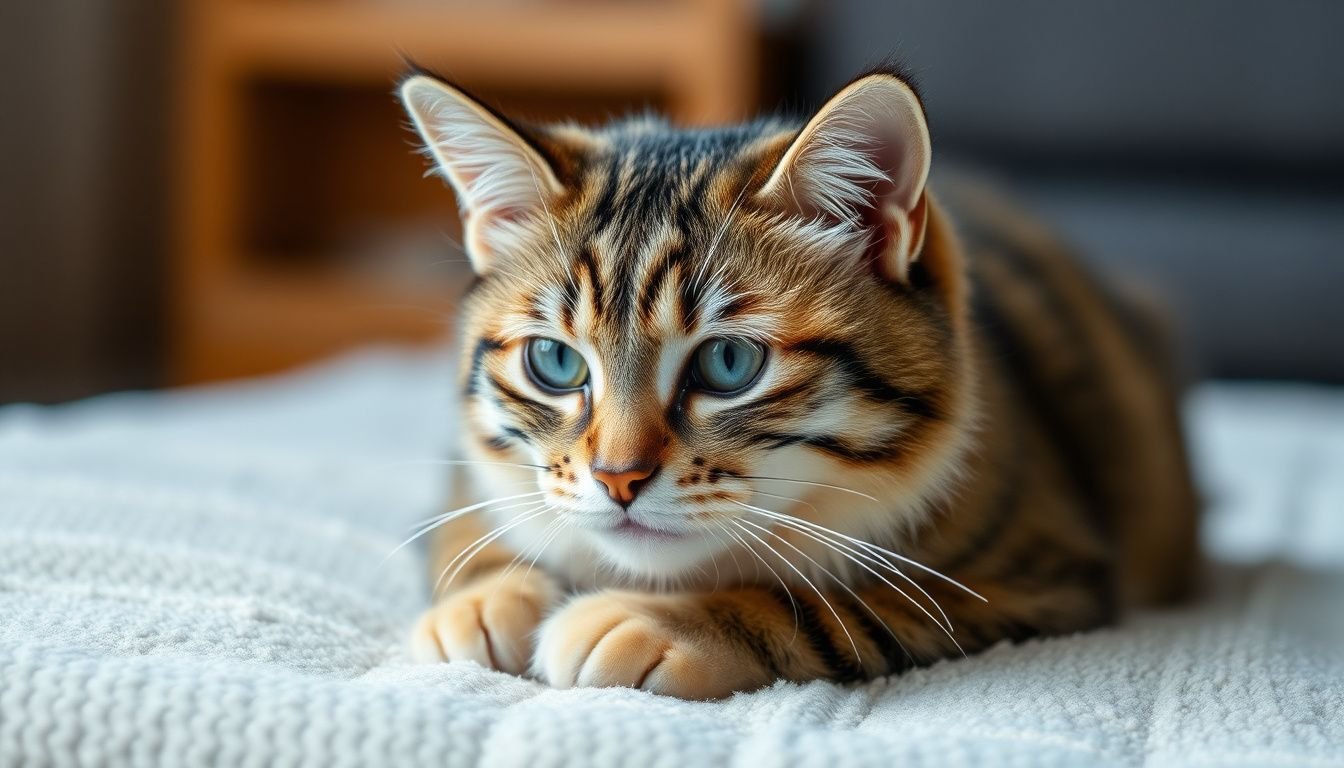
When your cat is shivering but the room temperature is perfectly comfortable, it’s a clear signal that something else is at play beyond just being cold.
Observing your beloved feline companion shivering unexpectedly can be an alarming experience for any pet owner. While our immediate thought might be a chill, understanding why is my cat shivering when it’s not cold is crucial for their well-being. This unusual behavior can stem from a variety of causes, ranging from benign emotional responses to more serious underlying health conditions, demanding your careful attention and often, professional veterinary assessment. Recognizing these subtle cues is the first step in ensuring your cat receives the care they need, preventing potential issues from escalating.
This comprehensive guide will delve into the most common reasons behind feline shivering, offering insights into how to identify specific triggers and what actions you should take. You’ll learn about the physiological and psychological factors that can cause your cat to tremble, equipping you with the knowledge to differentiate between a minor concern and a situation requiring immediate veterinary intervention. By the end, you will feel more confident in interpreting your cat’s body language and making informed decisions about their health.
Unveiling the Mystery: Why is My Cat Shivering When It’s Not Cold?
It’s natural to assume shivering equals cold, but for cats, this isn’t always the case. When you find yourself asking, “why is my cat shivering when it’s not cold?” it’s time to consider a broader spectrum of possibilities. Feline tremors or shaking can be a manifestation of various internal states, both physical and emotional, that require your keen observation to decipher.
Understanding the context of the shivering is paramount. Is it constant or intermittent? Does it occur during sleep, after eating, or when awake and active? These details provide valuable clues that can help narrow down the potential causes and guide your next steps. Let’s explore some of the primary reasons behind this perplexing behavior.
Emotional Triggers: Fear, Anxiety, and Stress in Felines
Cats are incredibly sensitive creatures, and their emotional states can manifest physically. Shivering, even in a warm environment, is a common response to strong emotions like fear, anxiety, or acute stress. A sudden loud noise, a new pet, a change in environment, or even an unfamiliar visitor can trigger such a reaction.
- Fear: When a cat is scared, their body enters a “fight or flight” response. Adrenaline surges, causing muscles to tense and sometimes tremble. This can be seen during vet visits, fireworks, or confrontations with other animals.
- Anxiety: Chronic stress or anxiety can lead to persistent shivering. Cats may develop anxiety due to separation, lack of stimulation, or ongoing conflicts within the household. Look for other signs like hiding, excessive grooming, or changes in eating habits.
- Excitement: Believe it or not, intense excitement can also cause a cat to shiver. This is often seen just before mealtime, during enthusiastic play, or when they anticipate a favorite treat. The shivering in these cases is usually brief and accompanied by other happy body language cues.
According to a study published in the Journal of Feline Medicine and Surgery, approximately 13% of cats presented to veterinary clinics exhibit signs of anxiety, with trembling being one of the observed physical manifestations. Addressing these emotional triggers often involves identifying the stressor and working to minimize its impact, potentially with behavioral modification techniques or calming aids.
Pain and Discomfort: A Common Underlying Factor
One of the most critical reasons why your cat might be shivering when it’s not cold is pain or discomfort. Cats are masters at hiding pain, an instinctual behavior to avoid appearing vulnerable in the wild. Shivering can be an involuntary response to acute or chronic pain, as their muscles tense up in an attempt to guard the painful area.
Consider these potential sources of pain:
- Injury: A hidden injury, such as a sprain, fracture, or deep cut, could be causing significant discomfort. Cats are adept at concealing limping or external wounds.
- Arthritis: Older cats are particularly prone to arthritis, which causes joint pain and stiffness. Shivering might be observed after periods of rest or during movement.
- Internal Pain: Conditions like pancreatitis, urinary tract infections, or dental disease can cause internal pain, leading to tremors. Observe if the shivering is accompanied by changes in posture, appetite, or litter box habits.
- Post-Surgical Pain: Even after successful surgery, some cats might shiver as they recover, indicating residual pain or discomfort from the procedure.
If you suspect pain, gently palpate your cat’s body to check for sensitive spots, swelling, or unusual reactions. Any vocalization, hissing, or swiping when touched is a strong indicator of pain. A prompt veterinary visit is essential to diagnose and manage any painful conditions effectively.
Neurological Conditions: When the Shakes Are More Than Skin Deep
In some cases, tremors that make you wonder why is my cat shivering when it’s not cold can be a symptom of a neurological issue. The nervous system controls muscle movement, and any disruption can lead to involuntary shaking or twitching. These conditions can range from mild to severe and often require specialized diagnostic tests.
| Neurological Aspect | Potential Cause | Accompanying Symptoms |
|---|---|---|
| Feline Cerebellar Hypoplasia | Underdeveloped cerebellum (often congenital) | Lack of coordination, wobbly gait, head tremors, exaggerated movements |
| Epilepsy/Seizures | Abnormal electrical activity in the brain | Full-body convulsions, loss of consciousness, uncontrolled urination/defecation, disorientation post-seizure |
| Tremor Syndrome | Idiopathic (unknown cause) or secondary to other conditions | Generalized body tremors, especially during movement; can affect head and limbs |
| Toxicity/Poisoning | Ingestion of harmful substances (e.g., certain plants, insecticides, human medications) | Vomiting, diarrhea, drooling, weakness, disorientation, collapse |
| Brain Tumors/Inflammation | Masses or swelling in the brain tissue | Behavioral changes, vision problems, circling, weakness, seizures, head tilt |
If you observe involuntary shivering accompanied by a lack of coordination, disorientation, or any sudden changes in behavior, it’s crucial to seek immediate veterinary attention. Neurological conditions can progress rapidly and often require urgent diagnosis and intervention.
Metabolic and Systemic Illnesses Causing Feline Tremors
Beyond external factors and neurological issues, various metabolic and systemic diseases can manifest as shivering or tremors. These conditions affect the body’s internal chemistry and organ function, leading to a cascade of symptoms that include muscle tremors. When you’re puzzled by why is my cat shivering when it’s not cold, consider these systemic possibilities.
- Hypoglycemia (Low Blood Sugar): This is particularly concerning in diabetic cats receiving insulin, or in very young kittens. Insufficient glucose to the brain can cause weakness, disorientation, and severe tremors or seizures.
- Hyperthyroidism: Common in older cats, an overactive thyroid gland speeds up metabolism, leading to weight loss, increased appetite, hyperactivity, and sometimes, fine muscle tremors.
- Kidney Disease: Advanced kidney disease can lead to a buildup of toxins in the blood, which can affect the nervous system and cause generalized weakness and tremors.
- Fever: While not a primary cause of shivering when *not* cold, a high fever due to infection or inflammation can induce shivering as the body tries to generate heat to fight off illness, even if the ambient temperature is warm.
- Medication Side Effects: Certain medications can cause tremors as a side effect. Always discuss any new symptoms with your vet if your cat is on medication.
Monitoring for other symptoms like changes in thirst, urination, appetite, or energy levels is vital. These additional clues can help your veterinarian pinpoint the underlying systemic illness. Early diagnosis and treatment are key to managing these conditions and improving your cat’s quality of life.
Environmental Toxins and Ingested Poisons: A Hidden Danger
Cats are naturally curious and sometimes ingest substances they shouldn’t. Exposure to certain environmental toxins or the ingestion of poisonous materials can lead to shivering, tremors, and even seizures. This is a critical consideration when trying to understand why your cat is shivering when it’s not cold, as it often requires emergency intervention.
Common household items and outdoor substances can be highly toxic to cats:
- Insecticides and Rodenticides: Even small amounts can be lethal. Symptoms often include muscle tremors, drooling, vomiting, and seizures.
- Certain Plants: Lilies, azaleas, tulips, and sago palms are just a few examples of plants highly toxic to cats, potentially causing kidney failure, cardiac issues, and neurological signs including tremors.
- Human Medications: Over-the-counter pain relievers (like ibuprofen or acetaminophen), antidepressants, and cold medicines are extremely dangerous for cats.
- Antifreeze: Its sweet taste can attract cats, but even a small lick can cause severe kidney damage and neurological symptoms.
- Chemicals: Cleaning products, paint, and other household chemicals can cause poisoning if ingested or if the cat walks through them and then grooms their paws.
If you suspect your cat has ingested a toxic substance, time is of the essence. Immediately contact your veterinarian or an animal poison control center. Be prepared to describe the substance, the amount ingested (if known), and your cat’s symptoms. Prompt action can significantly improve the outcome.
What to Do When Your Cat Shivers: Actionable Steps
When you notice your cat shivering, remain calm and observe their behavior closely. Your immediate response can make a significant difference. Here’s a step-by-step guide on what to do:
- Assess the Situation: First, ensure the environment is indeed warm. Rule out cold as a factor. Then, look for other accompanying symptoms such as lethargy, vomiting, diarrhea, changes in appetite, limping, vocalization, or unusual posture.
- Evaluate for Injury or Pain: Gently check your cat for any visible injuries, swelling, or tender spots. If they react negatively to touch in a particular area, pain is likely involved.
- Consider Recent Changes: Have there been any recent stressors? New people, pets, loud noises, travel, or changes in routine can cause anxiety-induced shivering.
- Review Potential Toxins: Scan your home for any open containers of chemicals, accessible medications, or chewed-on plants that could be toxic.
- Contact Your Veterinarian: If the shivering is persistent, severe, accompanied by other concerning symptoms, or if you suspect pain or poisoning, contact your vet immediately. Provide them with a detailed account of your observations.
- Provide Comfort: While waiting for veterinary advice, offer your cat a quiet, comfortable, and warm place to rest. Minimize stressors and avoid excessive handling if they appear to be in pain or distress.
Never attempt to self-diagnose or administer human medications to your cat without veterinary guidance. What might be safe for humans can be deadly for felines. Trust your instincts; if something feels off, it’s always best to consult with a professional.
Frequently Asked Questions
Why does my cat suddenly start shaking?
Sudden shaking in a cat, especially when not cold, can be due to various reasons including fear, extreme excitement, acute pain, or a sudden onset of a medical condition like a seizure or hypoglycemia. Observing accompanying symptoms is crucial for identifying the cause.
Can stress make a cat shiver or tremble?
Yes, absolutely. Cats are highly sensitive to stress and anxiety. Environmental changes, new pets, loud noises, or even changes in routine can trigger a “fight or flight” response, causing them to shiver or tremble as a physical manifestation of their emotional distress.
Is it normal for old cats to shiver more?
Older cats may shiver more frequently due to age-related conditions such as arthritis, which causes chronic pain, or hyperthyroidism, which is common in senior felines. Additionally, their immune systems can be weaker, making them more susceptible to illnesses that might induce shivering.
What should I do if my cat is shivering and seems weak?
If your cat is shivering and also appears weak, lethargic, or disoriented, it’s a medical emergency. This combination of symptoms could indicate severe pain, hypoglycemia, poisoning, or a serious neurological event. Seek immediate veterinary attention.
Can certain foods or allergies cause my cat to shiver?
While less common, severe allergic reactions can sometimes manifest with tremors or full-body shaking, often alongside other symptoms like swelling, itching, or difficulty breathing. Certain food intolerances might cause gastrointestinal upset leading to discomfort and potentially shivering.
How can I tell if my cat’s shivering is serious?
The seriousness of shivering depends on context. If it’s brief and linked to excitement, it’s likely benign. However, if the shivering is persistent, intense, accompanied by other symptoms like vomiting, pain, lethargy, or behavioral changes, it warrants an immediate veterinary visit.
Final Thoughts on why is my cat shivering when it’s not cold
Unraveling the mystery of why is my cat shivering when it’s not cold is a critical aspect of responsible pet ownership. We’ve explored that this perplexing behavior can range from benign emotional responses to serious underlying health conditions like pain, neurological disorders, metabolic illnesses, or even exposure to toxins. The key takeaway is that shivering is a symptom, not a diagnosis, and requires careful observation and, often, professional veterinary assessment to determine its true cause and ensure your feline friend’s well-being.
Empowered with this knowledge, you are now better equipped to recognize the various signals your cat might be sending. Pay close attention to the duration, intensity, and accompanying symptoms of any shivering. Don’t hesitate to consult your veterinarian if you have any concerns; early intervention can make a significant difference in your cat’s health outcomes. Your proactive care and vigilance are the best tools to keep your beloved companion healthy and happy.