
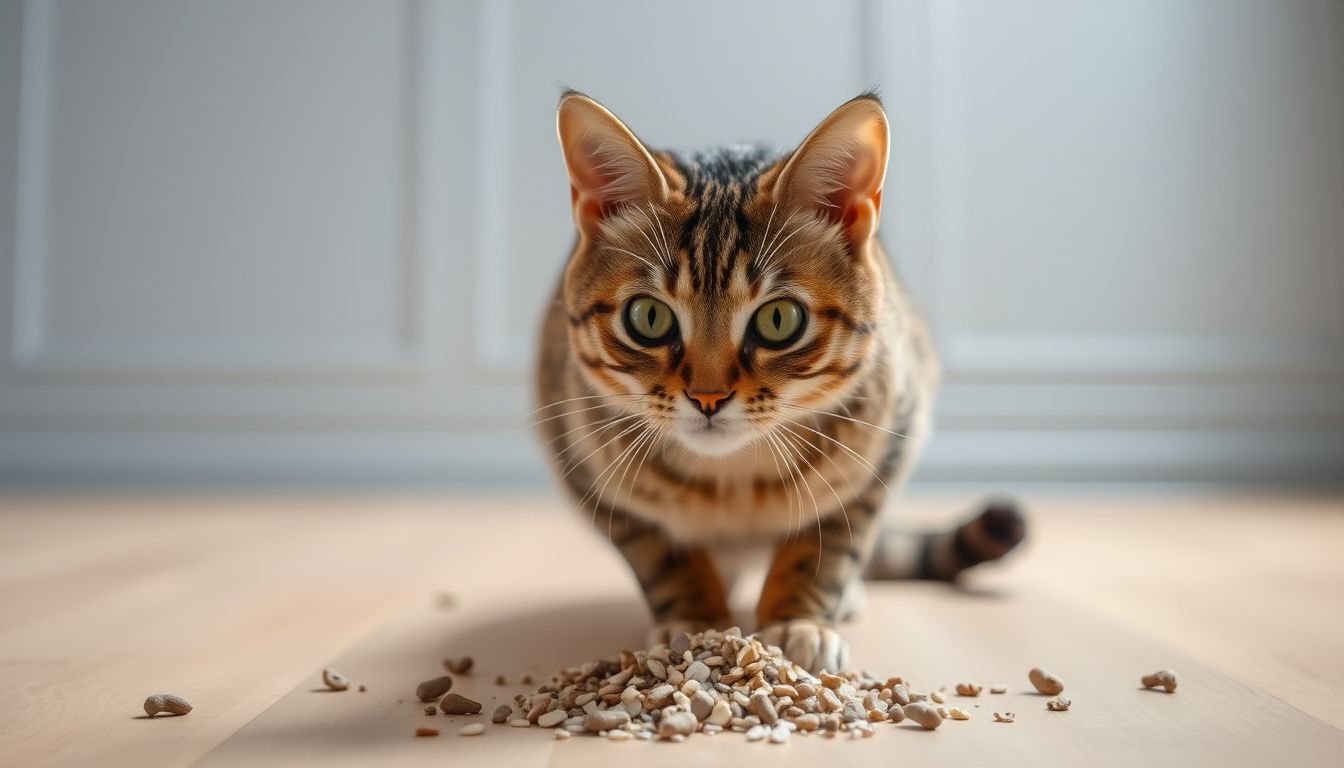
Discovering your beloved cat’s stomach is bloated can be an incredibly alarming experience for any pet parent. One moment they’re playfully chasing a toy, the next you notice an uncomfortable distension in their abdomen, prompting the urgent question: why is my cat’s stomach bloated? This isn’t just a minor cosmetic issue; a swollen belly often signals an underlying health concern that ranges from mild digestive upset to serious, life-threatening conditions requiring immediate veterinary attention. Understanding the potential causes behind a bloated feline abdomen is crucial for ensuring your cat receives timely and appropriate care.
A distended stomach can be a symptom of various issues, from simple gas accumulation or overeating to more complex medical emergencies like organ failure or internal bleeding. Recognizing the accompanying signs and knowing when to act can literally save your cat’s life. This comprehensive guide will meticulously explore the many reasons why your cat might be experiencing abdominal bloating, equipping you with the knowledge to identify potential problems, understand diagnostic approaches, and take proactive steps for your feline friend’s well-being. Prepare to delve deep into feline health, ensuring you’re empowered to protect your cherished companion.
Unraveling the Mystery: Why is My Cat’s Stomach Bloated?
When you observe your cat’s stomach looking larger or feeling harder than usual, it’s natural to feel a pang of worry. Abdominal distension, or a bloated stomach, is a symptom, not a disease itself, and it can point to a spectrum of issues. Pinpointing the exact cause requires careful observation and often, professional veterinary assessment. It’s essential to consider your cat’s overall behavior, recent diet, and any other accompanying symptoms to provide the most accurate information to your vet.
One of the first steps is to differentiate between acute (sudden onset) and chronic (gradual, long-term) bloating. Sudden, severe bloating, especially accompanied by pain or lethargy, is a medical emergency. Chronic bloating, while still serious, might allow for a more methodical diagnostic process. Understanding these nuances is key to determining the urgency of the situation and why is my cat’s stomach bloated might not have a simple answer.
Common Digestive & Dietary Reasons for a Swollen Belly
Often, the simplest explanations for a cat’s bloated stomach relate directly to their digestive system or diet. While these are typically less severe, they still warrant attention and potential adjustments to ensure your cat’s comfort and health.
- Gas Accumulation: Just like humans, cats can experience excessive gas build-up in their intestines. This can be due to rapid eating (swallowing air), dietary changes, food sensitivities, or consuming fermentable foods. The abdomen might feel firm but usually isn’t painful to the touch.
- Constipation: If your cat hasn’t had a bowel movement for an unusual period, their colon can become impacted with feces, leading to a distended abdomen. This is often accompanied by straining in the litter box, lethargy, and discomfort.
- Overeating or Rapid Eating: Consuming a large meal too quickly can cause temporary bloating as the stomach expands. While not usually dangerous, it can lead to discomfort and sometimes vomiting. Slow-feeder bowls can help mitigate this.
- Hairballs: While hairballs are a common feline issue, a severe build-up that obstructs the digestive tract can cause bloating, vomiting, and loss of appetite. Regular grooming and hairball remedies are crucial for prevention.
- Dietary Indiscretion: Eating something they shouldn’t – spoiled food, foreign objects, or even rich human foods – can lead to digestive upset, inflammation, and subsequent bloating.
Serious Medical Concerns: Critical Reasons Why Your Cat’s Stomach is Bloated
While benign causes are common, it’s crucial not to dismiss a bloated stomach, as it can be a red flag for severe underlying health issues. These conditions often require prompt veterinary diagnosis and aggressive treatment.
Parasitic Infestations: The Hidden Threat
Intestinal parasites are a surprisingly common cause of a distended abdomen, especially in kittens or cats with outdoor access. Worms, such as roundworms, hookworms, and tapeworms, can multiply rapidly within the intestines, causing significant swelling, nutrient malabsorption, and a pot-bellied appearance. Regular deworming protocols, especially for young cats, are vital. A fecal test can easily identify these unwelcome guests.
Fluid Accumulation (Ascites): A Grave Symptom
One of the most concerning reasons why a cat’s stomach is bloated is the accumulation of fluid in the abdominal cavity, a condition known as ascites. This is not a disease in itself but a symptom of a serious underlying illness, including:
- Heart Disease: Conditions like congestive heart failure can lead to fluid retention throughout the body, including the abdomen.
- Liver Disease: A compromised liver can fail to produce essential proteins, leading to fluid leakage into the abdomen.
- Kidney Disease: Advanced kidney failure can also disrupt fluid balance.
- Feline Infectious Peritonitis (FIP): This viral disease, often fatal, frequently causes fluid build-up in the abdomen (wet FIP).
- Cancer: Tumors in the abdomen or metastatic cancer can cause inflammation and fluid production.
Ascites often presents with a soft, pendulous belly, and the cat may show signs of lethargy, difficulty breathing, and loss of appetite.
Organ Enlargement or Tumors: Internal Growth
An enlarged organ, such as the spleen or liver, or the presence of a tumor within the abdominal cavity, can physically cause the stomach area to distend. These conditions can develop slowly, making them harder to detect in their early stages. A veterinarian might be able to palpate (feel) an enlarged organ or mass during a physical examination, prompting further diagnostic imaging.
Internal Bleeding or Other Trauma
While less common, internal bleeding due to trauma (e.g., being hit by a car) or a ruptured organ can cause rapid abdominal distension. This is a medical emergency, often accompanied by signs of shock, such as pale gums, rapid breathing, and weakness. Immediate veterinary intervention is critical in such scenarios.
When to Act: Crucial Signs and Emergency Scenarios for a Bloated Feline
Understanding when to seek immediate veterinary care versus monitoring your cat at home is paramount. While some causes of a bloated stomach are benign, many are not. If you’re asking yourself why is my cat’s stomach bloated and observe any of the following symptoms, contact your veterinarian without delay:
- Sudden, Rapid Bloating: If the distension appears quickly and severely.
- Pain or Discomfort: Your cat cries out, hisses, or becomes aggressive when touched near the abdomen.
- Difficulty Breathing: Rapid, shallow, or labored breathing, or panting.
- Vomiting and/or Diarrhea: Especially if persistent or containing blood.
- Lethargy and Weakness: Your cat is unusually tired, unresponsive, or struggles to move.
- Loss of Appetite or Refusal to Drink: Anorexia or dehydration can quickly worsen other conditions.
- Pale Gums: A sign of anemia or shock, often associated with internal bleeding.
- Changes in Urination or Defecation: Straining, inability to urinate, or complete absence of bowel movements.
If your cat exhibits any combination of these signs, it’s an emergency. Even if you suspect a less serious cause, a vet can rule out life-threatening conditions. Delaying treatment can significantly reduce your cat’s chances of recovery.
Diagnostic Approaches: What to Expect at the Vet for a Bloated Stomach
When you bring your cat in with a bloated stomach, your veterinarian will conduct a thorough examination and likely recommend a series of diagnostic tests to determine the underlying cause. The goal is to get to the bottom of why is my cat’s stomach bloated quickly and accurately.
The diagnostic process typically involves:
- Physical Examination: Palpating the abdomen to feel for masses, fluid, or gas; assessing pain response; checking vital signs.
- Blood Work: Complete Blood Count (CBC) and Chemistry Panel can reveal infection, inflammation, organ function issues (liver, kidney), and anemia.
- Urinalysis: To check kidney function and rule out urinary tract infections.
- Fecal Examination: To detect intestinal parasites.
- X-rays (Radiographs): Can show gas patterns, fluid accumulation, organ size, foreign bodies, or large masses.
- Ultrasound: Provides a more detailed view of abdominal organs, allowing for identification of fluid, small masses, and structural abnormalities.
- Abdominocentesis: If fluid is present, a small sample may be collected with a needle for analysis to determine its composition and underlying cause.
Based on these findings, your vet will formulate a diagnosis and treatment plan tailored to your cat’s specific condition. Early and accurate diagnosis is critical for effective treatment and a positive outcome.
Preventative Measures and Long-Term Care for a Healthy Feline Gut
While not all causes of a bloated stomach are preventable, many can be mitigated with proactive care. Implementing these strategies can significantly reduce the chances of you ever wondering why is my cat’s stomach bloated.
| Aspect | Preventative Action | Benefit for Feline Gut Health |
|---|---|---|
| Diet & Feeding | Feed high-quality, species-appropriate food. Use slow-feeder bowls for rapid eaters. Avoid sudden dietary changes. | Reduces gas, indigestion, and the likelihood of dietary indiscretion. Supports balanced gut flora. |
| Hydration | Ensure constant access to fresh water. Consider a water fountain or adding wet food to the diet. | Prevents constipation and supports overall organ function, crucial for fluid balance. |
| Parasite Control | Adhere to a regular deworming schedule, especially for outdoor cats or kittens. Conduct annual fecal exams. | Eliminates intestinal parasites that cause bloating, malnutrition, and other severe health issues. |
| Stress Reduction | Provide a stable environment, enrichment, and safe spaces. Minimize sudden changes in routine. | Stress can impact digestive health and immune function, potentially exacerbating underlying conditions. |
| Regular Vet Check-ups | Schedule annual or bi-annual wellness exams, even if your cat appears healthy. | Allows for early detection of serious conditions like organ enlargement, tumors, or chronic diseases before they become critical. |
By taking a holistic approach to your cat’s health, focusing on nutrition, hydration, environmental enrichment, and regular veterinary care, you can significantly contribute to their overall well-being and minimize the risk of a bloated stomach.
Frequently Asked Questions
What does a cat’s bloated stomach feel like?
A cat’s bloated stomach can feel firm or taut to the touch, rather than soft and pliable. Depending on the cause, it might also feel hard, distended, or even squishy if there’s significant fluid accumulation (ascites). The cat may also react with pain or discomfort when you gently touch the area.
Can a bloated stomach in cats go away on its own?
In some mild cases, such as temporary gas from eating too fast, a slight bloat might resolve on its own. However, given the serious potential causes like parasites, organ disease, or internal bleeding, it is never advisable to wait. Always consult a veterinarian to rule out critical conditions.
Is a bloated stomach a sign of FIP in cats?
Yes, a bloated stomach due to fluid accumulation (ascites) is a common and often hallmark symptom of the “wet” form of Feline Infectious Peritonitis (FIP), a serious and often fatal viral disease. If your cat has a bloated abdomen and other symptoms like fever, lethargy, and loss of appetite, FIP is a strong consideration, and immediate veterinary attention is crucial.
How can I tell if my cat’s bloat is gas or something more serious?
While difficult to differentiate definitively without a vet, gas-related bloat might be less painful and potentially resolve after a few hours. More serious bloat often presents with additional severe symptoms like extreme pain, lethargy, vomiting, difficulty breathing, pale gums, or refusal to eat/drink. When in doubt, always err on the side of caution and consult your vet.
What foods can cause a cat’s stomach to bloat?
Foods that can cause bloating in cats include rich, fatty human foods, dairy products (many cats are lactose intolerant), certain vegetables that cause gas, or even a sudden change in their regular cat food. Eating too quickly can also lead to air swallowing and subsequent bloat.
Can stress cause a cat’s stomach to bloat?
While stress itself doesn’t directly cause a physical bloat in the same way gas or fluid does, chronic stress can exacerbate underlying digestive issues like inflammatory bowel disease (IBD), leading to symptoms like bloating, vomiting, or diarrhea. Stress can also lead to changes in eating habits, such as rapid consumption, which can cause temporary bloat.
Final Thoughts on Why is My Cat’s Stomach Bloated
The discovery of a bloated stomach in your cat is a serious concern that demands your immediate attention and, more often than not, professional veterinary evaluation. As we’ve explored, the reasons why your cat’s stomach is bloated can range dramatically from relatively minor dietary indiscretions to life-threatening conditions such as organ failure, internal bleeding, or severe parasitic infestations. It’s not a symptom to be taken lightly or simply observed for an extended period.
Key takeaways from our discussion emphasize the importance of vigilant observation for accompanying symptoms like pain, lethargy, vomiting, or difficulty breathing, which escalate the situation to an emergency. Furthermore, understanding the various diagnostic tools available to your veterinarian – from blood work and fecal exams to X-rays and ultrasound – highlights the necessity of a comprehensive approach to pinpoint the exact cause. Early intervention is not just a recommendation; it’s often the determining factor in a positive outcome for your feline companion.
Proactive care, including a high-quality diet, consistent hydration, regular parasite control, and routine veterinary check-ups, forms the bedrock of preventing many of these issues. By being an informed and attentive pet parent, you play a critical role in safeguarding your cat’s health. Never hesitate to seek expert advice when faced with a distended abdomen; your cat relies on you to be their advocate.
Remember, your veterinarian is your most valuable partner in navigating your cat’s health challenges. If you notice your cat’s stomach is bloated, do not delay. Schedule an appointment today to ensure your beloved companion receives the care they need and deserve, turning worry into informed action for their well-being.