
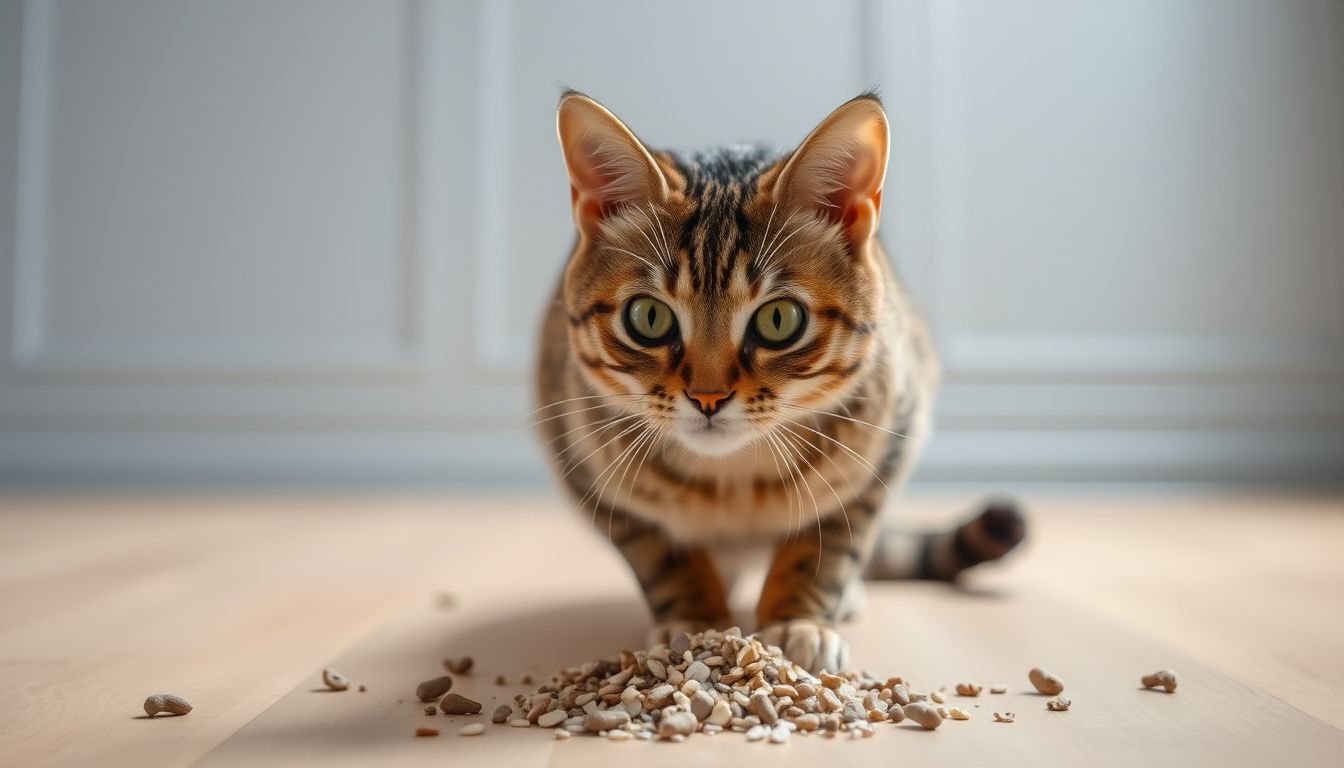
Discovering why your cat is tracking litter everywhere is the first step to a cleaner home and a happier feline. It’s a common issue with surprisingly simple solutions once you identify the root cause.
Few things are as frustrating for a cat owner as stepping on stray litter, or worse, finding it scattered throughout the house. If you’re constantly asking, “why is my cat tracking litter everywhere?”, you’re not alone. This pervasive problem can stem from a variety of factors, ranging from the type of litter you use to your cat’s health and even the design of their litter box. Understanding these underlying reasons is crucial for effectively tackling the mess and restoring peace to your living space.
This comprehensive guide will delve into the most common culprits behind litter tracking, offering practical advice and actionable strategies to minimize the spread. You’ll learn about optimal litter box setups, innovative product solutions, and essential behavioral insights. By the end, you’ll be equipped with the knowledge to significantly reduce litter tracking and maintain a more pristine home environment for both you and your beloved pet.
Unmasking the Mystery: Why is My Cat Tracking Litter Everywhere?
Litter tracking is a pervasive problem that can leave a trail of tiny granules across your floors, furniture, and even your bed. It’s not just an annoyance; excessive tracking can indicate an issue with your cat’s environment or even their well-being. Identifying the specific reason why your cat is tracking litter everywhere is key to implementing effective, lasting solutions and maintaining a hygienic home.
The Paws-itive Problem: How Litter Sticks
At its core, litter tracking occurs because granules cling to your cat’s paws and fur as they exit the litter box. Cats are fastidious groomers, but even the most meticulous feline can’t always prevent tiny particles from hitching a ride. Long-haired breeds, in particular, are more prone to tracking due to the extra surface area their fur provides. Moreover, some litter types are inherently more prone to sticking than others, exacerbating the issue significantly.
Litter Box Design: A Critical Factor in Containing the Mess
The design of your litter box plays a surprisingly vital role in how much litter ends up outside it. A box with low sides might be easy for a kitten or an elderly cat to enter, but it offers little barrier against enthusiastic digging and subsequent scattering. Conversely, a too-small box can lead to cramped conditions, causing your cat to step directly into soiled litter and then track it out. The ideal litter box provides ample space and appropriate side height to contain the mess effectively.
5 Critical Reasons Your Feline Friend is Spreading Litter
Understanding the common causes behind litter tracking is the first step toward a cleaner home. Many factors contribute to why your cat is tracking litter everywhere, and often, it’s a combination of several issues rather than a single problem. Let’s explore the primary culprits that turn your pristine floors into a granular landscape.
1. The Wrong Litter Type: A Granular Gamble
The type of cat litter you choose is perhaps the most significant determinant of tracking. Different litters have varying granule sizes, weights, and textures, all of which impact their propensity to stick to paws. For instance, fine-grained clay litters, while excellent for odor control and clumping, are notoriously sticky and easily carried out of the box.
- Fine-grained litters: Often stick to paws and fur due to their small size and electrostatic charge.
- Lightweight litters: While convenient for owners, their low density makes them easily kicked out or carried.
- Silica gel litters: Can be less dusty but their crystalline structure can still be tracked.
Conversely, heavier, larger granule litters, such as pine, paper, or corn-based varieties, tend to track less. These options, however, might not appeal to every cat, as felines often have strong preferences for litter texture.
2. Inadequate Litter Box Setup: Location, Location, Location
The placement and number of litter boxes can directly influence tracking. If a box is in a high-traffic area, your cat might rush out, scattering litter as they go. Similarly, a box tucked away in a dark, inconvenient corner might lead to less careful exits. The rule of thumb is “number of cats + 1” for the ideal number of litter boxes, ensuring each cat has options and privacy.
- Insufficient boxes: Can lead to hurried exits or even accidents outside the box.
- Poor placement: High-traffic areas or cramped spaces encourage rapid, messy departures.
- Lack of privacy: Cats prefer quiet, secure spots for their business, leading to more relaxed and less messy exits.
3. Paw Hygiene and Grooming Habits: The Feline Factor
Some cats are simply more prone to tracking due to their unique physiology or grooming habits. Long-haired breeds, like Persians or Maine Coons, often collect litter in the tufts of fur between their paw pads and on their longer coats. Even short-haired cats can track if they have particularly fuzzy paws. Regular grooming, including trimming the fur around their paws, can significantly reduce the amount of litter they carry out.
Additionally, some cats are enthusiastic diggers, scattering litter high and wide during their excavations. This natural behavior, while necessary for burying waste, can become a major source of tracking if not properly managed with appropriate box designs.
4. Stress, Anxiety, or Behavioral Changes: A Cat’s Cry for Help
While less common as a direct cause of tracking, stress or anxiety can manifest in various litter box issues, including more frantic digging or hurried exits. Changes in routine, new pets, household moves, or even perceived threats can make a cat feel insecure. A stressed cat might rush their litter box routine, leading to more scattered granules. Observe any other behavioral changes that might signal underlying anxiety.
Moreover, if a cat suddenly starts to track litter excessively, and it’s accompanied by other unusual behaviors (e.g., changes in appetite, increased vocalization), it’s worth considering their emotional state. A calm, secure cat is generally a cleaner cat.
5. Medical Conditions: When Health Issues Play a Role
Rarely, excessive litter tracking can be a symptom of an underlying medical condition. Conditions that affect paw sensitivity, mobility, or even coat health can contribute. For example, arthritis might make it difficult for an older cat to step over high box sides, leading to awkward exits and more scattered litter. Similarly, skin conditions or allergies could make paws more sensitive, causing a cat to rush their litter box experience.
If you notice a sudden, inexplicable increase in litter tracking, especially alongside changes in urination, defecation, or general demeanor, a vet visit is highly recommended. Rule out any health concerns before attributing the issue solely to environmental factors.
Solving the Litter Tracking Mystery: Actionable Steps for a Cleaner Home
Now that we understand why is my cat tracking litter everywhere, it’s time to implement practical, effective strategies. A multi-pronged approach usually yields the best results, combining environmental adjustments with smart product choices.
Optimize Your Litter Box Setup
The foundation of a litter-free home starts with the box itself. Strategic choices here can drastically cut down on tracking.
- Choose the Right Size and Style: Opt for a large litter box, at least 1.5 times the length of your cat from nose to tail. High-sided boxes or top-entry litter boxes are excellent for containing kicked-out litter. Some top-entry designs even feature textured lids that help dislodge litter from paws as your cat exits.
- Strategic Placement: Place litter boxes in quiet, accessible, yet low-traffic areas. Avoid placing them near noisy appliances, cat food and water bowls, or busy doorways. Ensure easy access without obstacles that might cause your cat to rush.
- Quantity Matters: Follow the “N+1” rule – one litter box per cat, plus one extra. This reduces competition and ensures a clean option is always available, preventing hurried exits from a soiled box.
Revolutionize Your Litter Choice
Switching your litter can be a game-changer. Experimentation is key, as every cat has unique preferences.
Consider the following types:
- Larger Granule Litters: Litters made from pine, paper, or corn often have larger, heavier granules that are less likely to stick to paws. They also tend to be less dusty.
- Low-Dust Formulas: Dust-free litters not only benefit your cat’s respiratory health but also mean fewer fine particles to track.
- Crystal Litters: While effective at odor control, their irregular shape can sometimes get caught in paw pads, but they often produce less dust than clay.
When switching litter, do so gradually over 7-10 days, mixing increasing amounts of the new litter with the old to allow your cat to adjust.
| Litter Type | Pros for Tracking | Cons for Tracking |
|---|---|---|
| Clay (Fine-grained) | Excellent clumping & odor control | High tracking, very dusty |
| Pine Pellets | Low tracking, natural odor control | Breaks down into sawdust, some cats dislike texture |
| Paper Pellets | Very low tracking, highly absorbent | No clumping, requires frequent changing |
| Silica Gel (Crystal) | Good odor control, low dust | Can be sharp, some tracking with fine crystals |
| Corn/Wheat-based | Good clumping, natural, moderate tracking | Can be dusty, potential for mold if not cleaned |
Employ Litter Mats and Barriers
Litter mats are your secret weapon against tracked litter. Placing a high-quality mat directly outside the litter box can dramatically reduce the amount of litter carried into your home. Look for mats with deep grooves, textured surfaces, or honeycomb designs that effectively trap granules as your cat steps onto them.
Additionally, consider creating a “litter zone” with small barriers or rugs around the box to contain any initial scatter. Regular vacuuming of this zone, ideally daily, will prevent the accumulation of stray litter.
Maintain Impeccable Litter Box Hygiene
A clean litter box is not only healthier for your cat but also contributes to less tracking. Cats are meticulous creatures; they prefer a spotless environment. If the litter box is too dirty, they might try to dig more vigorously to find a clean spot, leading to more litter being kicked out. Scoop at least once, preferably twice, daily. Change the entire litter and wash the box thoroughly every 1-2 weeks, depending on the litter type and number of cats.
Grooming and Paw Maintenance
For long-haired cats, regular grooming can work wonders. Trimming the fur between their paw pads can prevent litter from clinging. If your cat tolerates it, a quick wipe of their paws with a damp cloth after they exit the box can also be very effective. This also applies to any fur on their legs or belly that might collect litter.
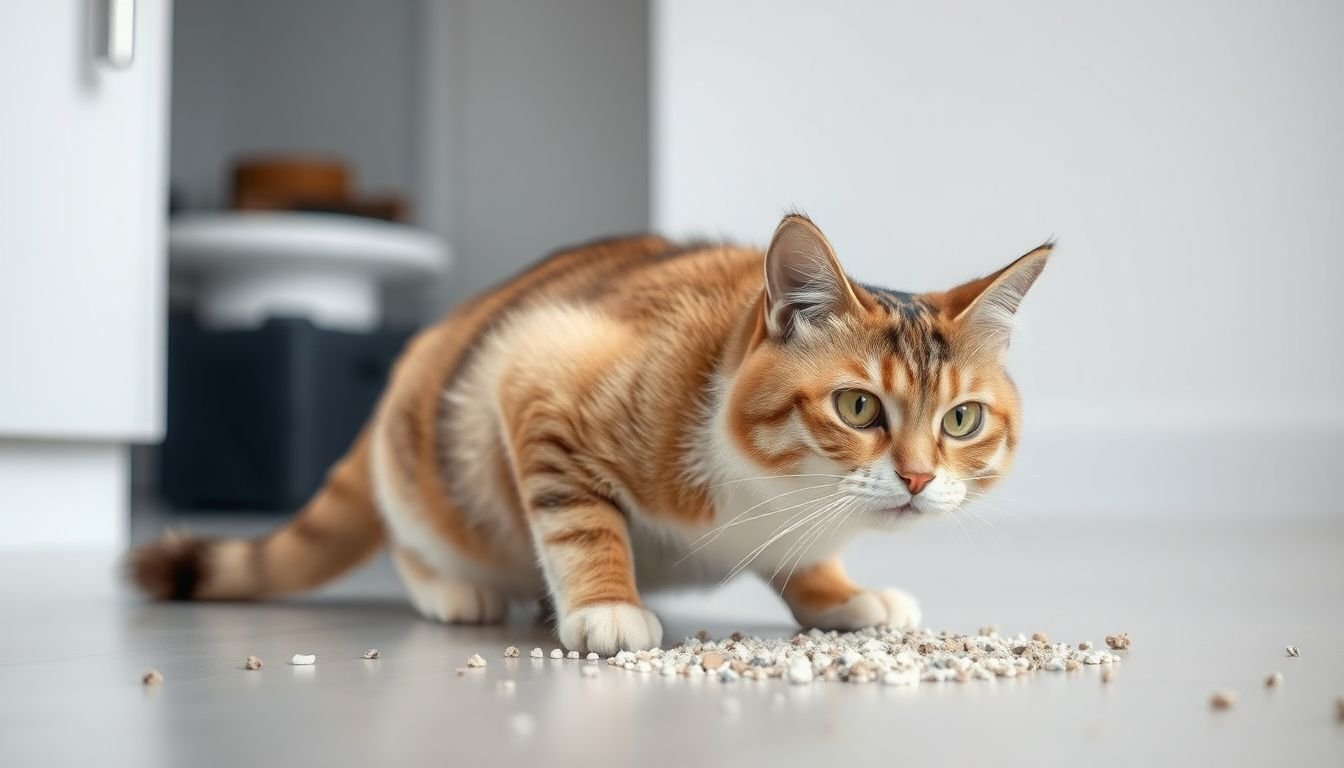
Beyond the Box: When to Consult a Vet About Litter Tracking
While most litter tracking issues are environmental or behavioral, there are instances where a visit to the veterinarian is prudent. If you’ve addressed all the common causes and your cat is still tracking litter everywhere, or if you notice other concerning symptoms, a medical evaluation is warranted. A sudden, unexplained increase in tracking, especially if it deviates from previous patterns, could be a red flag.
Look for accompanying signs such as changes in urination frequency, difficulty moving, increased vocalization, changes in appetite or thirst, or any visible irritation on their paws. Conditions like arthritis, urinary tract infections, skin conditions, or even diabetes can subtly affect a cat’s litter box habits and lead to more tracking. Your vet can rule out these underlying health issues, ensuring your cat’s well-being is prioritized.
Frequently Asked Questions
Why does my cat suddenly start tracking litter everywhere?
A sudden increase in litter tracking often points to a recent change. This could be a new type of litter, a different litter box, increased stress in the home, or even a developing medical issue impacting their paws or mobility. Observe for other behavioral changes and consider recent environmental shifts.
What is the best type of litter to prevent tracking?
Litters with larger, heavier granules like pine pellets, paper pellets, or some corn-based litters tend to track less than fine-grained clay litters. Top-entry litter boxes combined with a good litter mat also significantly reduce tracking, regardless of litter type.
Do litter mats really work for stopping tracked litter?
Yes, high-quality litter mats are highly effective. They are designed with textures, grooves, or honeycomb patterns that physically dislodge litter from your cat’s paws as they step out of the box, trapping it on the mat instead of your floor.
How often should I clean the litter box to reduce tracking?
Scooping the litter box at least once, and ideally twice, daily is crucial. A clean box encourages your cat to dig less frantically and reduces the chance of litter sticking to soiled paws. A full litter change and washing of the box should happen every 1-2 weeks.
Can a cat’s fur length affect litter tracking?
Absolutely. Long-haired cat breeds, such as Persians or Maine Coons, are more prone to tracking litter because the granules can easily get caught in the longer fur between their paw pads and on their legs. Regular grooming and trimming paw fur can help significantly.
Is a top-entry litter box good for reducing tracking?
Top-entry litter boxes are excellent for reducing tracking. Their design means cats have to jump onto a textured lid before exiting, which helps scrape litter off their paws. They also prevent litter from being kicked out over the sides.
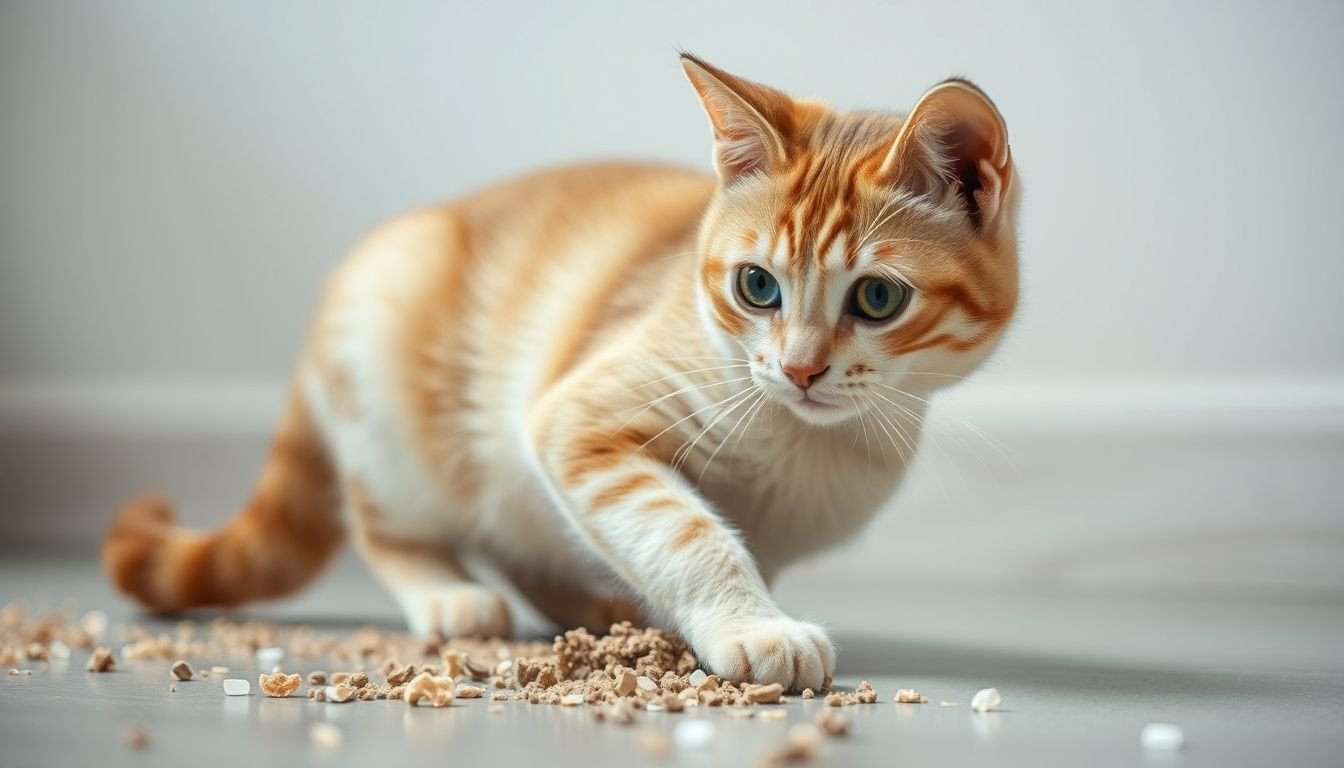
Final Thoughts on why is my cat tracking litter everywhere
Addressing the frustrating problem of why is my cat tracking litter everywhere requires a blend of observation, patience, and strategic adjustments. By methodically evaluating your litter type, optimizing your litter box setup, incorporating effective litter mats, and maintaining rigorous hygiene, you can dramatically reduce the spread of granules throughout your home. Remember that even small changes, like trimming paw fur or choosing a larger box, can yield significant improvements, making your living space cleaner and more enjoyable for everyone.
Ultimately, a clean home and a happy cat go hand-in-hand. Don’t let litter tracking become a permanent fixture in your life; empower yourself with these actionable solutions today. Start implementing these tips and enjoy the rewarding outcome of a pristine environment, free from the dreaded trail of cat litter.