
Waking up to find your beloved feline friend’s belly suddenly distended can send a wave of panic through any pet parent. One moment they’re their usual playful self, and the next, you’re left wondering, “why is my cat’s belly bloated?” This common concern is more than just a cosmetic issue; it often signals an underlying health problem that requires your immediate attention. A bloated abdomen in cats, also known as abdominal distension, can range from a benign case of gas to a serious, life-threatening condition. Understanding the potential causes, recognizing accompanying symptoms, and knowing when to seek veterinary care are crucial steps in protecting your cat’s well-being. This comprehensive guide will illuminate the various reasons behind a swollen feline belly, empowering you with the knowledge to act swiftly and appropriately for your cherished companion.
Your cat’s comfort and health are paramount, and a noticeably enlarged belly should never be ignored. We’ll explore everything from common digestive upsets and parasitic infections to more severe medical conditions like organ disease or fluid accumulation. Moreover, we’ll provide actionable advice on what steps you should take, what diagnostic tests your vet might perform, and how you can potentially prevent some of these issues. By the end of this article, you’ll have a much clearer understanding of why your cat’s belly might be bloated and how to ensure they receive the best possible care.
Understanding Your Cat’s Abdominal Health: Why is My Cat’s Belly Bloated?
A cat’s abdomen should typically feel soft and supple, not hard, firm, or noticeably enlarged. When you observe that your cat’s belly is bloated, it’s a clear indicator that something isn’t right internally. This distension can occur due to various reasons, broadly categorized into issues related to gas, fluid, masses, or even normal physiological changes. For instance, a temporary bloat might be due to overeating or a sudden dietary change, while persistent or rapidly worsening distension points to more urgent concerns. Recognizing the nuances of this symptom is the first step towards accurate diagnosis and effective treatment.
Moreover, a bloated belly is rarely the only symptom. Often, it’s accompanied by other signs such as lethargy, changes in appetite, vomiting, diarrhea, or difficulty breathing. Observing these additional symptoms carefully can provide vital clues to your veterinarian. Understanding the normal appearance and feel of your cat’s abdomen is essential for early detection of any abnormalities. Regular gentle petting and observation can help you become familiar with your cat’s baseline, making it easier to spot when something is amiss and prompting you to ask, “why is my cat’s belly bloated?”
Common Culprits Behind a Bloated Feline Belly: Digestive & Dietary Factors
Many instances of a bloated belly in cats stem from digestive system issues or dietary indiscretions. These are often less severe but still warrant attention and can cause significant discomfort for your pet. Identifying these common culprits can help you address the problem or provide valuable information to your vet.
Gas Accumulation and Dietary Changes
Just like humans, cats can experience gas. Excessive gas in the gastrointestinal tract can lead to a temporarily bloated appearance. This can be triggered by a sudden change in diet, eating too quickly (which leads to swallowing air), or consuming foods that are difficult for them to digest. For example, some cats are lactose intolerant, and dairy products can cause significant gas and bloating.
- Rapid Food Changes: Introducing a new food too quickly can upset the delicate balance of gut bacteria, leading to gas.
- Poor Quality Food: Diets high in fermentable carbohydrates or certain fillers can contribute to excessive gas production.
- Eating Too Fast: Cats who gobble their food often swallow air, leading to a gassy, bloated feeling.
Parasitic Infections: A Hidden Cause of Why is My Cat’s Belly Bloated
Intestinal parasites are a surprisingly common reason for a bloated belly, especially in kittens or cats who spend time outdoors. Worms such as roundworms, hookworms, and tapeworms can cause inflammation, nutrient malabsorption, and a distended abdomen. Roundworms, in particular, are notorious for giving kittens a “pot-bellied” appearance.
According to the Companion Animal Parasite Council (CAPC), roundworms are one of the most common intestinal parasites in cats, with prevalence rates varying but often significant in shelter populations. Regular deworming, especially for outdoor cats or those with unknown histories, is a critical preventative measure. If your cat’s belly is bloated and they haven’t been dewormed recently, parasites should be a strong consideration.
Constipation and Hairballs
Difficulty passing stool can lead to a build-up of waste in the colon, causing abdominal distension and discomfort. Cats are prone to constipation, particularly if they don’t drink enough water or their diet lacks sufficient fiber. Similarly, large hairballs that cannot be passed can create an obstruction, leading to bloating, vomiting, and loss of appetite. These issues are often manageable with dietary adjustments, increased hydration, and specific hairball remedies.
Serious Medical Conditions: When a Bloated Belly Signals Danger
While some causes of a bloated belly are relatively benign, others are indicative of severe and potentially life-threatening medical conditions. It’s imperative to distinguish between minor issues and those that require immediate veterinary intervention.
Fluid Accumulation (Ascites)
One of the most concerning reasons why your cat’s belly is bloated is the accumulation of fluid within the abdominal cavity, a condition known as ascites. This fluid can be clear, milky, or bloody, and its presence often points to serious underlying diseases such as:
- Heart Failure: Impaired heart function can lead to fluid retention throughout the body, including the abdomen.
- Liver Disease: A compromised liver can’t properly regulate fluid balance, causing fluid leakage into the abdomen.
- Kidney Disease: Advanced kidney issues can also disrupt fluid and protein balance.
- Feline Infectious Peritonitis (FIP): This viral disease, particularly the “wet” form, causes severe inflammation and fluid accumulation in the abdomen and/or chest. FIP is often fatal.
- Internal Bleeding: Trauma or a ruptured tumor can cause blood to pool in the abdominal cavity, leading to rapid distension.
If your cat’s belly feels like a “water balloon” or is rapidly expanding, seek emergency veterinary care immediately. Ascites is a critical symptom that demands urgent diagnosis.
Organ Enlargement or Tumors
An enlarged organ (organomegaly) or the presence of a tumor within the abdomen can also cause distension. The spleen, liver, or kidneys might become enlarged due to various diseases, including inflammation, infection, or cancer. Abdominal masses, whether benign or malignant, can grow to a size that visibly pushes out the abdominal wall, making your cat’s belly appear bloated.
Detecting these conditions often requires advanced diagnostics like X-rays, ultrasound, or even exploratory surgery. Early detection, especially for cancerous growths, can significantly impact prognosis and treatment options.
Peritonitis and Pyometra
Peritonitis is a severe inflammation of the lining of the abdominal cavity, often caused by bacterial infection, rupture of an internal organ, or leakage of intestinal contents. This condition is extremely painful and life-threatening, often presenting with a rigid, bloated abdomen, fever, and severe lethargy.
In unspayed female cats, pyometra (an infection of the uterus) can also cause abdominal distension. The uterus fills with pus, leading to a noticeable enlargement, especially if the cervix is closed. This is a medical emergency requiring prompt surgical removal of the infected uterus.
Actionable Steps: What to Do When Your Cat’s Belly is Bloated
Discovering that your cat’s belly is bloated can be alarming, but knowing the appropriate steps to take can make all the difference. Your immediate actions can help your veterinarian diagnose the issue more quickly and effectively.
- Observe and Document All Symptoms: Before calling your vet, take a moment to observe your cat closely. Note down everything you see:
- Is the bloating sudden or gradual?
- Does their belly feel hard or soft?
- Are they eating and drinking normally?
- Are they lethargic, restless, or in pain?
- Have there been changes in urination or defecation (diarrhea, constipation)?
- Are they vomiting or coughing?
- Any changes in breathing?
This detailed information is invaluable for your vet.
- Contact Your Veterinarian Immediately: A bloated belly is rarely normal and often warrants a prompt veterinary visit. Do not wait to see if it resolves on its own, especially if your cat is showing other signs of illness or discomfort. Describe your observations clearly to the veterinary staff, who can advise you on the urgency of the visit. In some cases, emergency care may be necessary.
- Avoid Self-Treating: Never administer human medications or attempt home remedies without explicit veterinary guidance. What might be safe for humans or even dogs can be toxic to cats. For example, some over-the-counter gas relief medications contain ingredients harmful to felines.
- Prepare for Diagnostics: Your vet will likely perform a thorough physical examination, palpating your cat’s abdomen. They may recommend several diagnostic tests to determine the underlying cause:
Diagnostic Test What It Detects Why It’s Used Bloodwork (CBC, Chemistry) Infection, inflammation, organ function (liver, kidney), anemia, dehydration. To assess overall health and identify systemic issues. Fecal Exam Intestinal parasites (worms, giardia). Crucial for diagnosing parasitic causes of bloating. Abdominal X-rays Gas patterns, foreign bodies, organ size/shape, masses, fluid presence. Provides a general overview of abdominal contents. Abdominal Ultrasound Detailed view of organ structure, fluid characteristics, presence of tumors, internal bleeding. More precise imaging for soft tissue and fluid analysis. Fluid Analysis (Abdominocentesis) Type of fluid (blood, pus, clear), cell count, protein levels, bacterial culture. If fluid is present, analyzing it helps pinpoint the cause (e.g., FIP, heart failure).
Preventative Measures: Keeping Your Cat’s Abdomen Healthy
While not all causes of a bloated belly are preventable, many can be mitigated through proactive care and attention to your cat’s lifestyle. Implementing these preventative strategies can significantly reduce the likelihood of your cat experiencing abdominal distension.
Optimal Nutrition and Hydration
A high-quality, easily digestible diet is fundamental for digestive health. Avoid frequent, sudden changes in food, and transition gradually over 7-10 days if a change is necessary. Ensure your cat has constant access to fresh, clean water. Consider incorporating wet food into their diet to boost hydration, which is crucial for preventing constipation and maintaining overall digestive function. Feeding smaller, more frequent meals can also help prevent overeating and rapid ingestion of air.
Regular Veterinary Check-ups and Parasite Control
Annual or bi-annual veterinary check-ups are essential for early detection of underlying health issues. During these visits, your vet can perform a thorough physical exam, including abdominal palpation, and recommend appropriate preventative care. Consistent parasite control, especially for cats with outdoor access, is critical. Discuss with your vet the best deworming schedule and flea/tick prevention for your cat’s specific needs and risk factors.
Stress Reduction and Environmental Enrichment
Stress can impact a cat’s digestive system, sometimes leading to issues like inflammatory bowel disease or changes in appetite that could indirectly contribute to bloating. Providing a stable, enriching environment with plenty of vertical spaces, scratching posts, and interactive toys can help reduce stress. Regular play also encourages activity, which aids in digestion and helps prevent obesity, a condition that can sometimes be mistaken for or exacerbate abdominal distension.
Frequently Asked Questions
What does a cat’s bloated belly feel like?
A cat’s bloated belly can feel firm, tight, or distended to the touch, sometimes resembling a drum. Depending on the cause, it might also feel fluid-filled, like a “water balloon,” or simply larger than usual.
Can stress cause a cat’s belly to be bloated?
While stress doesn’t directly cause a truly bloated belly, it can exacerbate digestive issues like irritable bowel syndrome or cause cats to eat too quickly, potentially leading to gas and discomfort that mimics bloating.
How can I tell if my cat is just fat or actually bloated?
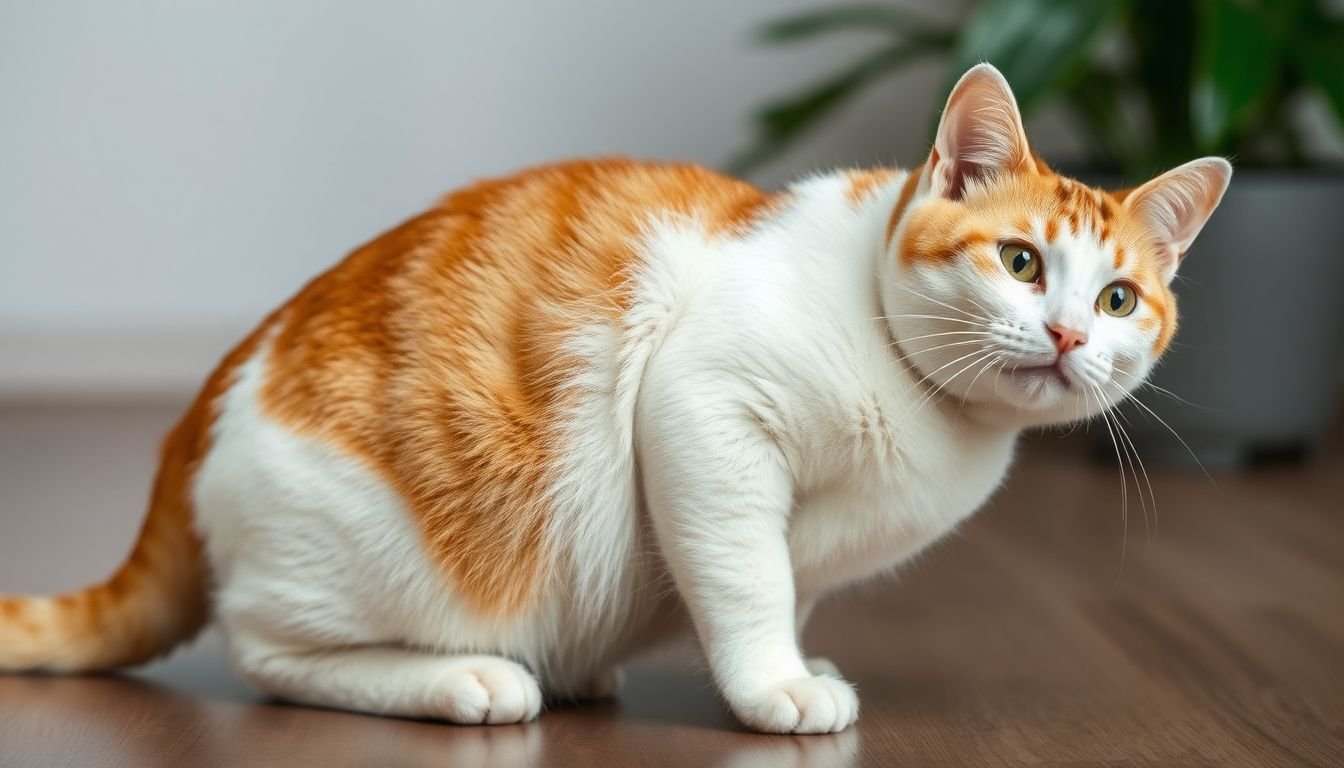
Obesity typically involves a uniform distribution of excess fat, making the cat feel generally soft and heavy. A truly bloated belly, however, often feels firm or distended in a specific area, and is usually accompanied by other symptoms like lethargy, discomfort, or changes in appetite.
Is it normal for kittens to have a bloated belly?
Kittens often have a slightly rounded belly, but a significantly bloated or “pot-bellied” appearance is not normal and is a classic sign of intestinal parasites, particularly roundworms. Veterinary attention is crucial for deworming.
What foods can cause bloating in cats?
Foods that are difficult to digest, such as dairy products (due to lactose intolerance), certain table scraps, or diets high in fermentable carbohydrates, can cause gas and bloating in sensitive cats. Sudden changes in diet can also be a culprit.
Can a hairball cause a cat’s belly to be bloated?
Yes, a large, stubborn hairball that causes an intestinal obstruction can lead to a bloated belly, along with vomiting, constipation, and loss of appetite. Regular grooming and hairball remedies can help prevent this.
When should I rush my cat to the emergency vet for a bloated belly?
Seek emergency veterinary care if the bloating is sudden and severe, accompanied by difficulty breathing, extreme lethargy, persistent vomiting, severe pain, collapse, or a rigid, very firm abdomen. These symptoms can indicate a life-threatening condition.
Final Thoughts on why is my cat’s belly bloated
Observing a bloated belly in your cat is undeniably concerning, and as we’ve explored, it’s a symptom that demands your attention. From minor digestive upsets and parasitic infestations to grave conditions like heart failure, FIP, or even internal bleeding, the reasons why your cat’s belly is bloated are incredibly diverse. The key takeaway is that while some causes are less severe, many are critical and require immediate veterinary intervention. Ignoring this symptom can have serious, even fatal, consequences for your beloved feline companion.
Your role as a diligent pet parent is paramount. By understanding the various potential causes, meticulously observing any accompanying symptoms, and knowing when to seek professional help, you become your cat’s most crucial advocate. Remember that early detection and prompt diagnosis are often the strongest allies in successful treatment outcomes. Timely veterinary care can mean the difference between a swift recovery and a worsening condition.
Proactive care, including a high-quality diet, consistent hydration, regular veterinary check-ups, and diligent parasite control, forms the cornerstone of preventing many of the issues that lead to abdominal distension. While you can’t prevent every health challenge, fostering a healthy lifestyle significantly reduces risks. If you ever find yourself asking, “why is my cat’s belly bloated?” do not hesitate. Contact your veterinarian immediately.
By staying vigilant and informed, you empower yourself to provide the best possible care, ensuring your cat enjoys a healthy, comfortable, and long life by your side. Take these insights to heart, prioritize your cat’s well-being, and act decisively at the first sign of trouble. Your swift action could very well save their life.