
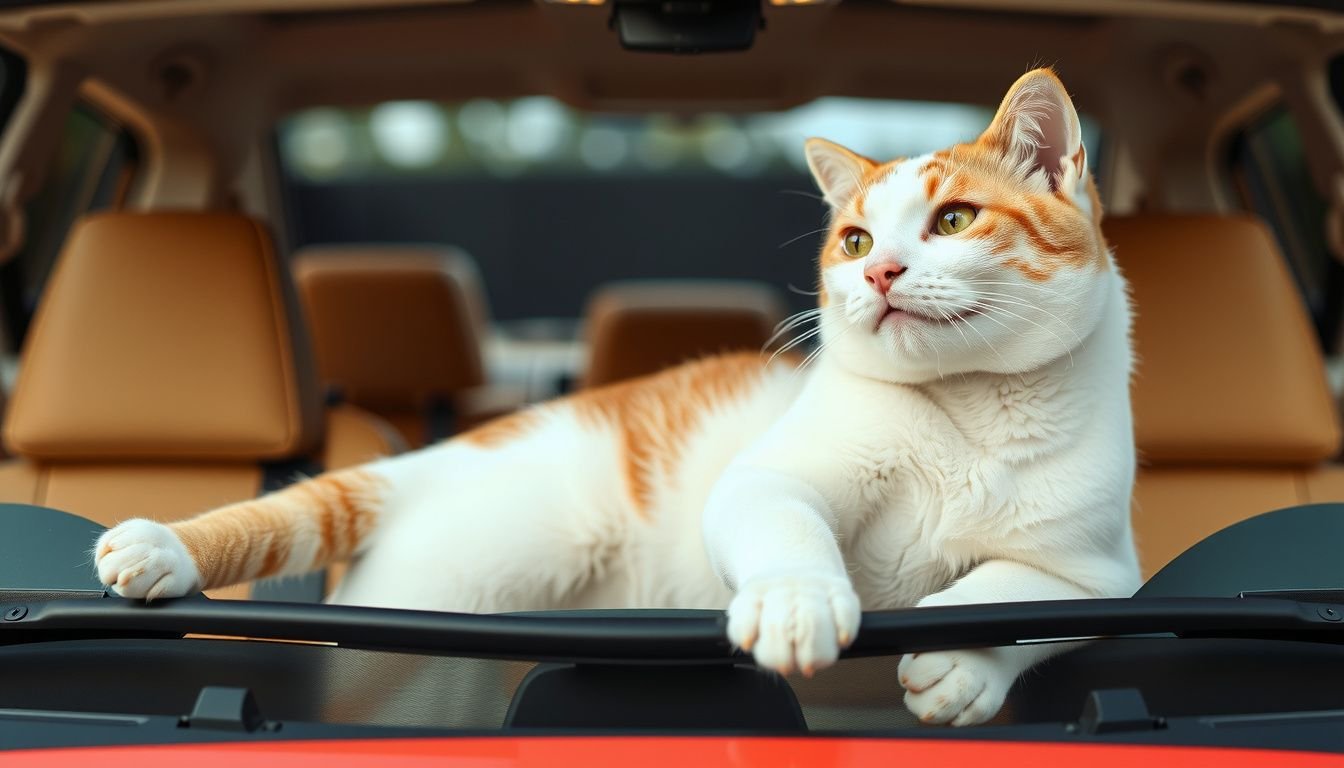
Why do cats not like car rides? For most cats, the car feels like a loud, moving trap that smells like strangers and offers zero control.
You’re not imagining the drama. Cats are wired for territory, routine, and predictable sensory input, so a vehicle hits their biggest stress triggers all at once.
Vets see this every day: vocalizing, drooling, panting, vomiting, or “shutting down” are common travel reactions, not bad behavior.
You’ll learn what your cat is sensing, why nausea and fear feed each other, and what you can do before, during, and after the ride to make trips safer and calmer.
Quick Facts Box
- Top reasons: noise/vibration, motion sickness, fear, loss of control, negative associations
- Common signs: meowing, drooling, panting, vomiting, hiding, trembling, aggression
- Best first steps: carrier training, short practice rides, pheromones, secure placement
- Call your vet if: repeated vomiting, collapse, blue gums, severe lethargy, or breathing trouble
What Your Cat Experiences in the Car (Noise, Motion, Smells)
Your cat’s senses are sharper than yours, so a “normal” drive can feel intense. Road noise, engine vibration, and bumps deliver constant stimulation through their paws, whiskers, and inner ear.
Smell is a big deal. The car often carries scents from other animals, food, cleaners, and people outside your household, which can read as “unsafe territory.”
Visual input can also overwhelm them. Fast-moving scenery, flashing light, and changing shadows can trigger vigilance or panic, especially if your cat is already anxious.
- Noise: engine, tires, horns, and sudden sounds
- Motion: acceleration, braking, turns, and vibration
- Smells: unfamiliar animals, perfumes, disinfectants, and outdoor air
Why Motion Sickness and Nausea Make Rides Miserable
Some cats get true motion sickness, especially kittens and younger cats whose balance systems are still developing. When the inner ear senses movement that doesn’t match what the eyes see, nausea can hit fast.
Nausea isn’t subtle. Your cat may drool, swallow repeatedly, yowl, or vomit, and then start fearing the carrier because it predicts feeling sick.
Even if vomiting doesn’t happen, low-grade queasiness can cause restlessness or freezing. Skipping a big meal right before travel can help, but you shouldn’t withhold water for long periods.
- Drooling, lip-licking, and frequent swallowing
- Vomiting or diarrhea during/after the ride
- Sudden lethargy, hiding, or refusal to enter the carrier
How Fear, Past Experiences, and Lack of Control Trigger Stress
Your cat doesn’t understand “we’re going to the vet.” They learn by association: carrier equals car, car equals scary place, scary place equals restraint or pain.
Lack of control is the core issue. In the car, your cat can’t choose distance, escape routes, or hiding spots, so their nervous system may flip into fight, flight, or freeze.
Past experiences matter, even small ones. A single loud event, a hard brake, or a stressful clinic visit can create a lasting memory that resurfaces the next time you pick up the carrier.
If your cat is naturally cautious, travel can amplify that trait into full stress behavior unless you retrain the pattern.
Why the Carrier and Car Association Matters More Than You Think
If the carrier only appears before the vet, your cat learns it’s a warning signal. That anticipation can start stress hours before you even leave.
Carrier comfort also affects the ride. A sliding carrier, poor ventilation, or a strong plastic smell can make your cat feel unstable and trapped.
You’ll get better results when the carrier becomes part of normal life. Leave it out, make it cozy, and reward voluntary entry so it stops predicting bad outcomes.
| Carrier Setup | How It Changes the Ride |
|---|---|
| Non-slip towel + familiar scent | Improves footing and reduces stress |
| Secured with seatbelt | Less sliding, fewer panic reactions |
| Top-loading option | Less wrestling, safer loading/unloading |
Signs Your Cat Is Overwhelmed (And When It’s More Than Anxiety)
Some signs are obvious: loud meowing, scratching, or trying to bite. Others look quiet but can be more serious, like freezing, wide pupils, or rigid posture.
Watch for physical stress signals that suggest nausea, overheating, or a medical problem. Cats can deteriorate quickly when panicked or sick.
- Stress: panting, trembling, ears pinned back, tail tucked, dilated pupils
- Nausea: drooling, lip-licking, vomiting, diarrhea
- Red flags: open-mouth breathing that doesn’t stop, collapse, blue/gray gums, extreme weakness
If you see red flags, stop travel when safe and contact your vet or an emergency clinic for guidance.
How You Can Make Car Rides Less Stressful Before You Leave
Start with training, not force. You’re aiming to change your cat’s prediction from “car equals danger” to “carrier equals safety.”
Leave the carrier out year-round with soft bedding and occasional treats inside. Practice closing the door for a few seconds, then longer, always ending on a calm note.
Do short “nothing happens” sessions: carry your cat to the car, sit for a minute, then go back inside. If your vet approves, consider pheromone spray on the carrier 15 minutes before use.
- Feed treats near and inside the carrier
- Handle the carrier calmly; avoid chasing
- Plan timing to avoid rushing and loud chaos
What You Can Do During the Ride and After Arrival for a Smoother Trip
Secure the carrier with a seatbelt and keep it level. Covering part of the carrier with a light towel can reduce visual overload while still allowing airflow.
Drive like you’re carrying a full cup of water. Smooth acceleration, gentle braking, and slow turns reduce nausea and panic.
Practical example: If your cat screams on the way to the vet, try three practice rides this week: buckled carrier, towel cover, two-minute drive around the block, then back home for a high-value treat. Many cats soften within 2–3 weeks when the car stops predicting needles.
After arrival, give a quiet decompression space: carrier door open, treats, water, and time. Don’t force interaction; let your cat reset.
What This Means for You
Your cat isn’t being difficult; they’re reacting to intense sensory input, possible nausea, and a strong learned association between the carrier, the car, and scary outcomes.
You can make real progress by treating travel like a trainable skill. Start with carrier comfort, build neutral car experiences, and reduce motion triggers with smoother driving and secure placement.
If vomiting, panting, or panic persists, your vet can help you separate motion sickness from anxiety and recommend safe options, including anti-nausea medication or behavior support. Your goal is simple: fewer surprises, more control, and a trip your cat can tolerate.
60-Second Recap
- Cars overwhelm cats with noise, vibration, smells, and fast visuals.
- Motion sickness can create a lasting “car equals nausea” memory.
- Fear grows when your cat has no control and expects the vet.
- The carrier is a powerful cue; make it a normal, rewarding space.
- Secure the carrier, reduce visuals, and drive smoothly to limit stress.
- Practice short, neutral rides and reward calm behavior afterward.
- Call your vet for repeated vomiting, breathing trouble, collapse, or extreme lethargy.
Related read: Why do cats hate riding in cars? Causes and fixes