
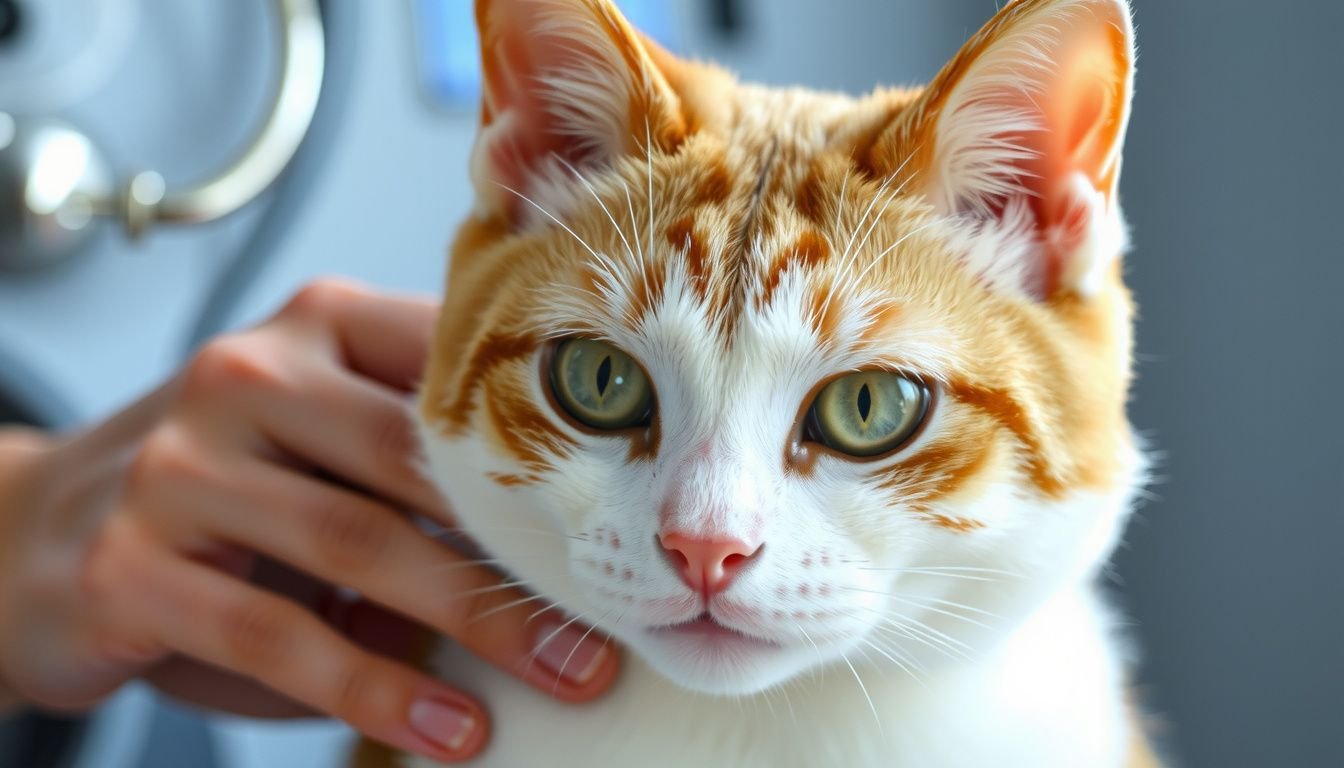
How to care for cat after spay starts the moment you pick her up: your job is to reduce stress, control activity, and protect the incision while she heals. Most cats feel groggy for 12–24 hours and may act “off” for a couple of days. That’s normal.
What isn’t normal is persistent vomiting, heavy bleeding, or a wound that’s opening.
You’ll get a discharge sheet from your clinic. Follow it exactly, even if your cat seems fine. Spay recovery is usually straightforward, but small mistakes—like letting her jump onto a couch—can trigger swelling, bleeding, or delayed healing.
Use the steps below to set up your home, manage meds and meals, and spot problems early. You’re aiming for a quiet 10–14 days with steady improvement.
Prepare Your Home Before You Bring Your Cat Back
Before pickup, gather supplies so you’re not scrambling while your cat is sleepy and unsteady. Clear hazards and plan where she’ll recover. A little prep prevents most post-op setbacks.
Set aside a small kit with:
- E-collar or recovery suit (confirm what your vet recommends)
- Clean bedding and a low-sided litter box
- Pre-measured food, treats for pill time, and fresh water
- Any prescribed medications and dosing instructions
Now, do a quick “jump audit.” Block access to tall cat trees, shelves, and window ledges. Put a step stool away. Close doors to rooms with hiding spots you can’t reach.
Common mistake: letting kids or other pets crowd her when you get home. Keep greetings calm and brief, then move her straight to the recovery area.
Set Up a Calm Recovery Space and Limit Activity
Your cat needs a quiet, temperature-comfortable space where you can control movement. A bathroom, laundry room, or large crate works well. Keep lighting soft and noise low.
Build the space with the essentials at floor level:
- Bed or folded towel (easy to wash)
- Food and water a few steps away
- Litter box with low entry
Limit running and jumping for 10–14 days, or as your vet instructs. If she’s energetic, use short, calm check-ins instead of play. You can sit on the floor and offer gentle petting if she seeks it.
Pro tip: if your home is busy, a covered crate can reduce stimulation. Leave enough airflow and check her often.
Common mistake: “She seems normal, so she can roam.” Many cats overdo it before their incision is ready.
Manage Pain Meds, Feeding, and Hydration Safely
Give only the medications your vet prescribed, exactly as directed. Human pain relievers can be dangerous to cats. If you miss a dose, don’t double up—call your clinic for guidance.
For the first night, appetite may be reduced. Offer small meals and keep water available. A typical plan looks like:
- Offer a small portion of her usual food once she’s alert
- Feed smaller meals for 24 hours, then return to normal portions
- Encourage drinking with a water fountain or multiple bowls
Practical example: Your cat refuses kibble after surgery. You can offer a tablespoon or two of her regular wet food, warmed slightly, then re-offer a small amount a few hours later. If she won’t eat at all by the next day, call your vet.
Common mistake: hiding pills in large treats that upset her stomach. Use tiny amounts and confirm whether meds can be given with food.
Check the Incision Daily and Prevent Licking
Check the incision once or twice daily in good light. You’re looking for mild swelling and a clean, closed line. A small bruise can be normal.
Bad odor, thick discharge, or gaping edges are not.
Use this quick checklist:
- Skin edges closed, no active bleeding
- Minimal redness that doesn’t worsen day to day
- No heat, pus, or increasing swelling
Prevent licking at all costs. Licking can introduce bacteria and pull sutures open fast. If your cat can reach the incision, keep the e-collar on continuously unless your vet says otherwise.
Pro tip: if the cone stresses her, ask your vet about a properly fitted recovery suit or soft collar. Fit matters—too loose means she can still lick.
Common mistake: applying ointments or disinfectants. Don’t put anything on the incision unless your vet directed it.
Know When to Call Your Vet and Plan Follow-Up Care
Trust your instincts. If something looks or feels wrong, call. It’s easier to fix small issues early than manage a full incision infection later.
Contact your vet promptly if you see:
- Repeated vomiting, severe lethargy, or collapse
- Incision opening, active bleeding, or thick discharge
- Swelling that rapidly increases or a painful, hot incision
- No urination within 24 hours, or not eating by the next day
Plan follow-up based on your clinic’s protocol. Some cats need a recheck in 10–14 days for suture removal; others have dissolvable sutures and only need a check if concerns arise. Keep activity restricted until your vet clears her.
Common mistake: stopping the cone early because the incision “looks healed.” Surface healing can fool you; deeper layers need time.
Common Questions
How long does it take a cat to recover after a spay?
Most cats act more normal within 24–72 hours, but incision healing typically takes 10–14 days. Keep activity limited for the full period your vet recommends, even if your cat seems energetic.
Is it normal for my cat to sleep a lot after surgery?
Yes. Grogginess and extra sleep are common for the first day. If she’s difficult to wake, won’t stand, or becomes weaker instead of improving, call your vet the same day.
Can my cat use a regular litter box after being spayed?
A low-entry box is safer for the first week because it reduces stretching and jumping. Use dust-free litter if possible, and keep the box very clean to lower the risk of incision contamination.
Next Steps
Tonight, focus on three priorities: a quiet recovery space, correct medication timing, and strict lick prevention. Check the incision daily, keep meals small at first, and limit jumping for 10–14 days. Keep your discharge instructions visible—tape them to a cabinet or save them on your phone.
If you’re unsure about swelling, appetite, or behavior changes, call your vet early rather than waiting. Once your cat is cleared at her recheck (or the advised timeframe passes), you can gradually return her to normal play and climbing.
Related read: How to Take Care of Cats: Step-by-Step Daily Routine