
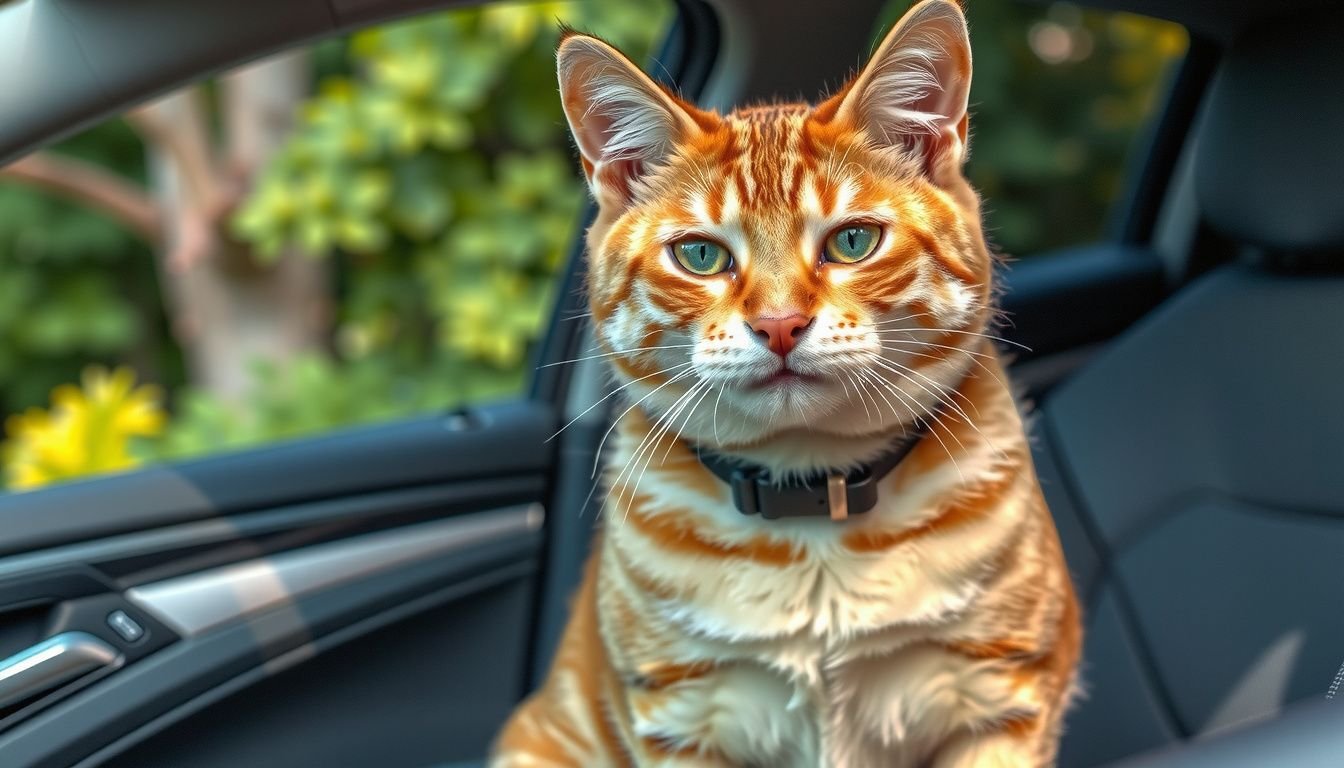
Do cats get car sick? Yes, many do—and it can turn a simple drive into a stressful event for both you and your cat.
Motion sickness in cats is real, and it often blends nausea with fear, which is why symptoms can look “behavioral” instead of medical.
If you’ve ever arrived with a panting, drooling, or vomiting cat, you’re not alone. Vets see this every day, especially in kittens and cats who rarely travel.
You’ll learn what’s happening in your cat’s body, what triggers it, how to prep, and when medication makes sense so you can travel with fewer surprises.
Do cats get car sick? What’s actually happening
Carsickness is usually a mix of motion sickness and stress. Motion sickness happens when your cat’s inner ear senses movement, but their eyes and body don’t “agree” on what’s going on.
That sensory mismatch activates the vomiting center in the brain. At the same time, anxiety can amplify nausea by increasing adrenaline and gut sensitivity.
Young cats are more prone because their balance system is still developing. Adult cats can develop it too, especially after a bad trip that creates a strong negative association.
The good news: you can often reduce it with smarter timing, better carrier setup, and gradual training—sometimes without medication.
Why your cat gets nauseous in the car
Your cat may feel sick for physical reasons, emotional reasons, or both. The trigger isn’t always the motion alone.
Common causes include:
- Inner ear sensitivity (true motion sickness)
- Stress response from noise, vibration, and confinement
- Negative conditioning (car = vet, shots, unfamiliar smells)
- Strong odors like air fresheners, gas, or cleaning products
- Underlying illness (GI disease, ear infection, pain)
If nausea appears suddenly in a cat who used to travel fine, treat it as a possible health change—not just attitude.
Signs your cat is carsick (and what you might miss)
Vomiting is the obvious sign, but many cats show earlier cues. Catching those early signals helps you intervene before the trip escalates.
Watch for:
- Drooling or lip-licking
- Yowling, growling, or repeated meowing
- Panting or fast breathing
- Restlessness, shifting, or trying to escape the carrier
- Urination/defecation in the carrier
What you might miss: a “shut down” cat. Freezing, wide pupils, and silent staring can signal severe stress even without vomiting.
How to prep before you travel to reduce nausea
Prep starts days—not minutes—before you leave. Your goal is to make the carrier and the car feel predictable and safe.
Try a simple desensitization plan:
- Leave the carrier out at home with soft bedding and treats.
- Feed treats in the carrier with the door open, then briefly closed.
- Do short “practice holds” and calm releases—no car yet.
- Progress to short drives around the block, then longer trips.
Keep your own routine calm and quick. When you move slowly, your cat often stays more regulated.
Carrier setup and car environment tweaks that help
Your carrier is your cat’s seatbelt. A stable, comfortable setup reduces sliding, visual overload, and panic.
- Use a sturdy, well-ventilated carrier sized for standing and turning.
- Line it with absorbent padding and bring a spare towel for accidents.
- Cover part of the carrier with a light blanket to reduce visual motion.
- Secure the carrier with a seatbelt so it doesn’t tip or skid.
- Keep the car cool and quiet; skip loud music and strong scents.
Avoid letting your cat roam the car. It’s unsafe and often increases nausea and fear.
Feeding and hydration timing: what to do before the drive
Food timing matters. A full stomach can worsen vomiting, but an empty stomach can increase acid nausea in some cats.
A practical baseline:
- Offer a small meal about 3–4 hours before travel.
- Remove large meals closer to departure, especially for long drives.
- Provide water up until you leave, unless your vet advises otherwise.
For trips over a few hours, plan calm breaks to offer small sips of water and check bedding. Don’t force food mid-trip if your cat is already nauseous.
Calming tools you can try (pheromones, training, and more)
Calming tools work best when you combine them. Think “stacking” small advantages: scent, routine, and training.
- Pheromone spray or wipes (apply to bedding 15–20 minutes before loading)
- Carrier training with treats and short sessions
- Familiar bedding that smells like home
- White noise or quiet, steady music to mask road sounds
Real-world example: you practice 2-minute carrier sessions for a week, then do three 5-minute drives. By the fourth drive, your cat drools less and settles faster because the pattern is no longer “carrier equals disaster.”
When you should talk to your vet about medication
If your cat vomits on most trips, panics intensely, or has to travel often, talk to your vet. Medication can be a humane, temporary bridge while you train.
Your vet may consider:
- Anti-nausea medication to prevent vomiting
- Anti-anxiety medication for fear-based travel distress
Never use human motion-sickness drugs unless your vet approves the exact product and dose. Also contact your vet if carsickness starts suddenly, comes with head tilt, diarrhea, or lethargy.
What to do during and after the trip if your cat feels sick
During the drive, keep conditions steady. Smooth acceleration, fewer sharp turns, and a cool cabin can reduce symptoms.
- Don’t open the carrier while driving.
- If you must stop, park safely and speak softly without hovering.
- Clean accidents calmly using spare towels; avoid harsh-smelling cleaners in the moment.
After arrival, place the carrier in a quiet room and let your cat come out on their own. Offer water first, then a small meal later if vomiting has stopped. If repeated vomiting continues, call your vet the same day.
The Bottom Line
Yes, cats can get car sick, and it’s usually a mix of motion sensitivity and stress. You’ll get the best results when you treat it like a predictable problem: prep the carrier, control the car environment, time meals wisely, and build positive travel habits with short practice sessions.
If your cat’s symptoms are frequent, severe, or new, your vet can rule out medical causes and recommend safe anti-nausea or anti-anxiety options. With the right plan, you can make travel calmer, cleaner, and far less miserable—for both you and your cat.
Related read: Can Cats Get Car Sick? Signs, Causes, and What to Do