
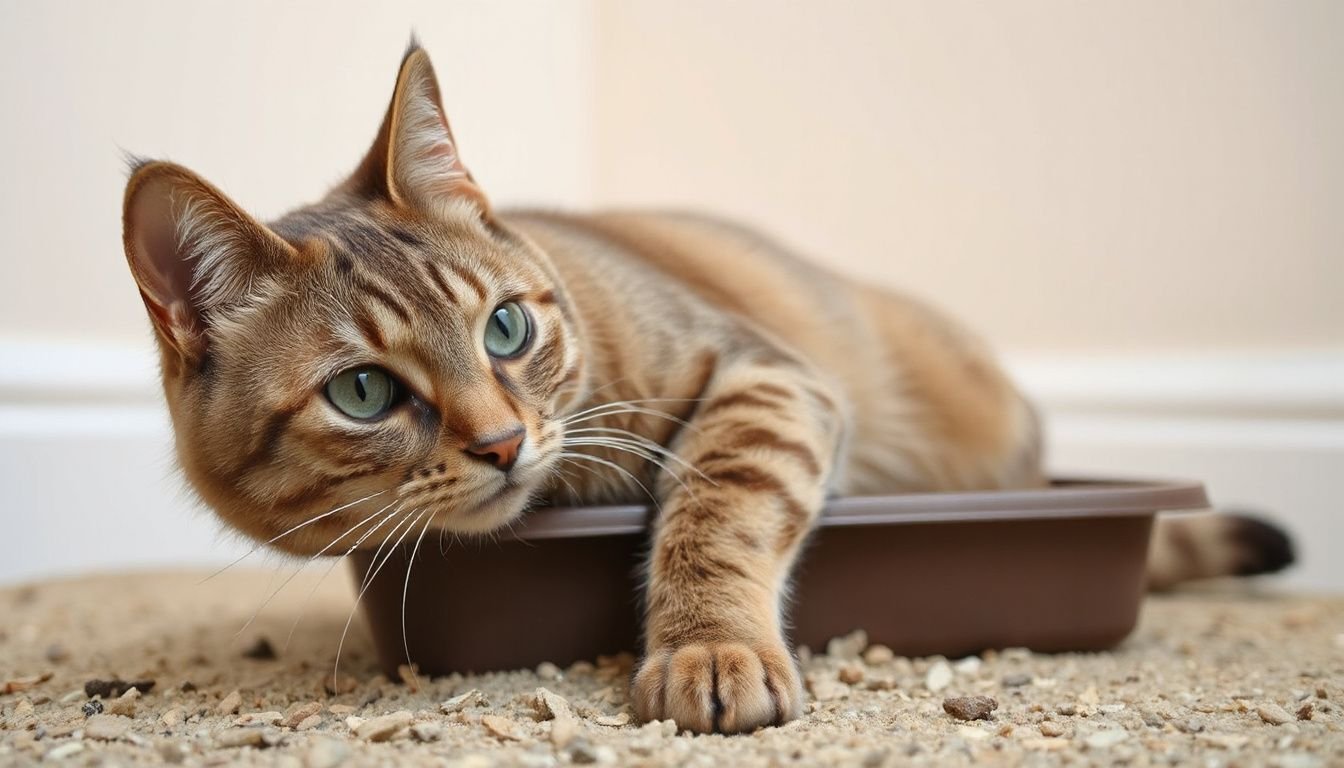
How often should you change cat litter is not a one-size answer, and guessing can cost you. Odor that lingers, clumps that smear, or a cat that suddenly avoids the box are all signals that your current schedule is not working. Look, the goal is simple: a box your cat trusts and a home that stays fresh.
But here’s the thing: “change it” depends on what is happening inside the box every day. Litter type, number of cats, box size, and your scooping routine all change the timeline. Get the rhythm right, and you reduce ammonia buildup, protect sensitive paws, and make accidents far less likely.
- Scooping frequency: once daily vs. twice daily makes a measurable difference in odor and clump integrity.
- Household load: one cat in one box is not the same as two cats sharing.
- Litter material: clumping clay, silica crystals, and natural litters saturate at different speeds.
- Health and age: kittens and senior cats often need a cleaner box to stay consistent.
Real-world example: a single adult cat using clumping litter in a standard box, scooped every evening, often needs a full dump and wash about weekly. Switch to twice-daily scooping or a larger box, and you may stretch that timeline; skip scooping for two days, and the same litter can become unusable fast.
Buying Guide: Key Decision Factors
Choosing supplies that match how often should you change cat litter depends on litter type, box setup, and your cat’s habits. Look at performance first, then cost per day. Marketing claims matter less than measurable odor control and clump strength.
Litter type drives replacement frequency. Clumping clay usually needs full changes every 2–4 weeks with daily scooping, while silica crystals often last 3–4 weeks in a single-cat home. Natural litters (pine, paper, wheat) vary widely; some control odor well but may require more frequent top-ups.
Household factors change the math fast. Multi-cat homes, kittens with frequent urination, and cats on wet diets saturate litter sooner. Covered boxes can trap odor; open boxes may need more frequent scooping but often smell less intense.
- Absorbency and clump integrity: weak clumps break, leaving urine behind and forcing earlier full changes.
- Odor control method: activated carbon and ammonia blockers can extend time between full dumps.
- Dust and tracking: lower-dust formulas protect respiratory health and reduce cleanup time.
- Cat preference: texture and scent acceptance prevent box avoidance, which is a medical and behavioral risk.
Practical example. One adult cat using a 14-inch open box with 3 inches of clumping clay: scoop twice daily, add a cup of fresh litter every 3–4 days, and plan a full change about every 3 weeks. If odor appears within a week, the issue is usually depth, scooping frequency, or a low-performing formula—not “normal.”
Before buying in bulk, run a 10–14 day trial and track odor, clump quality, and tracking. If you see damp litter at the bottom during routine scooping, shorten the replacement interval or switch to higher-absorbency litter.
How Often Should You Change Cat Litter: Step-by-Step Schedule by Litter Type
How often should you change cat litter depends on litter type, box size, and how many cats use it. A reliable schedule prevents odor, protects respiratory health, and keeps cats from avoiding the box. Look, consistency matters more than “when it smells bad.”
Start with the daily basics, then tailor the full-change timing to your litter. Keep a scoop and a small trash bin nearby. Fast routine. Fewer misses.
- Twice daily: Scoop clumps and stool; remove wet “paste” stuck to corners.
- Daily: Top up to 2–3 inches (5–7.5 cm) so clumps form cleanly.
- Weekly: Wipe box walls where urine splashes; check for ammonia smell.
- Full change: Dump litter, wash with mild soap, dry completely, then refill.
Now match the full-change interval to the product you bought. But here’s the thing: multi-cat homes shorten every timeline.
- Clumping clay: Full change every 2–4 weeks (1–2 weeks for two cats).
- Non-clumping clay: Full change every 5–7 days; it holds urine and odors.
- Plant-based clumping (corn, wheat, pine, grass): Full change every 2–3 weeks; watch for humidity-related odor.
- Silica crystals: Stir daily; full change every 3–4 weeks (or sooner if crystals yellow).
- Pine pellets (non-clumping): Remove sawdust daily; full change every 7–10 days.
Example: one cat in a medium box using clumping clay. Scoop morning and night, add a handful daily, wipe on Sundays, and do a full dump every third weekend. If odor appears mid-cycle, shorten by a week.
Signs You’re Not Changing Cat Litter Often Enough (Or Too Often)
How often should you change cat litter becomes obvious when the box starts “talking back” through odor, tracking, or your cat’s behavior. Litter is a hygiene system, not just a toilet. When it is off-schedule, you will see it quickly.

When you are not changing litter often enough, waste and moisture overwhelm the box. Ammonia odor is the big tell, but it is not the only one. Look for these practical red flags.
- Persistent urine or ammonia smell even after scooping, especially near walls or corners
- Clumps that smear or stick to the pan, suggesting saturated litter or poor absorption
- Excess tracking and dusty paw prints because granules are breaking down
- Box avoidance: hovering, perching on the edge, or choosing rugs and bathtubs
- Increased scooping volume with fewer clean granules visible between clumps
Changing too often causes a different set of problems. Cats rely on familiar scent cues, so an overly “sterile” box can feel unsafe. Strong cleaners can also leave residues that irritate paws and noses.
- Sudden refusal right after a full dump-and-wash, despite normal health
- Stress behaviors such as overgrooming or pacing near the box
- Frequent digging with little elimination, as if the box feels “wrong”
Real-world example: a two-cat household using clumping clay scoops twice daily but fully replaces litter every 10–14 days. If odor returns by day 5 and clumps smear, shorten the full-change interval and add 1–2 inches of fresh litter midweek. If one cat starts avoiding the box immediately after weekly deep cleans, reduce wash frequency and rinse thoroughly with unscented soap.
Expert Strategies to Keep the Box Cleaner Longer Without Compromising Hygiene
If you are asking how often should you change cat litter, start with a smarter routine, not just more frequent full dumps. The goal is consistent waste removal, controlled moisture, and a box that stays low-odor without becoming a bacterial reservoir.
Look, the highest-impact habit is scooping. Scoop at least once daily for one cat, and twice daily for multi-cat homes. Remove clumps and stool promptly, then smooth the surface so fresh litter stays exposed and dries faster.
Use the right depth and box-to-cat ratio. Aim for 2–3 inches of litter for clumping formulas; too shallow leads to sticking, too deep traps moisture underneath. Provide one box per cat, plus one extra, to prevent crowding and “overloading” a single pan.
- Top-off after scooping to replace lost volume and keep clumps forming cleanly.
- Switch to a larger, high-sided box to reduce scatter and urine hitting seams.
- Place a washable litter mat outside the box to capture granules and reduce tracking.
- Keep the box in a ventilated, low-humidity area; moisture accelerates odor and microbial growth.
Now, manage the box itself. Wash with mild dish soap and hot water during full changes, then dry completely; bleach or strong fragrances can repel cats and worsen respiratory irritation. If odor persists despite good scooping, the plastic may be scratched and holding residue—replace the box every 12–18 months.
Real-world example: a two-cat apartment using clumping clay can stay fresh by scooping morning and night, topping off every 2–3 days, and doing a full change every 2–3 weeks. But here’s the thing: if you notice damp litter at the bottom, shorten the full-change interval immediately.
Top Cat Litters Reviewed: Odor Control, Tracking, Dust, and Value
How often should you change cat litter depends on the litter’s performance as much as your cat count and box size. Look for clumping strength, odor adsorption, and low dust, because those factors determine how long the box stays acceptable between full changes. A “good” litter lets you scoop efficiently and keeps the base layer clean.
For odor control, clumping clay with activated carbon typically performs well in high-traffic homes, especially when scooped twice daily. Plant-based litters (corn, wheat, walnut) can control odor effectively, but they may need tighter moisture management to avoid sour smells. Silica crystals excel at drying waste, yet some cats dislike the texture.
Tracking is usually worst with lightweight clay and fine-grain litters that cling to paws. Larger granules and heavier formulas track less, but they can feel rough for sensitive cats. A top-entry box and a textured mat help, but starting with a low-tracking litter reduces cleanup time.
Dust matters for respiratory comfort and home cleanliness. Low-dust clay and most silica options are cleaner to pour, while some plant litters can shed fine particles when shaken. If you see a haze when refilling, switch brands or pour slower and closer to the box.
- Best value: strong-clumping clay (economical, consistent, easy to source)
- Best for low dust: silica crystals or premium low-dust clay
- Best for tracking control: heavier granules or pellet-style litters
Real-world example: a two-cat household using high-quality clumping clay in a large box often succeeds with daily scooping and a full change every 2–3 weeks. Switch to a weaker clumper, and you may be forced into weekly full changes due to smeared bottoms and lingering odor. Performance drives schedule. Simple.

Final Verdict
How often should you change cat litter depends on three variables: litter type, box count, and your cat’s habits. Look for the practical signal, not the calendar. If odor returns quickly, clumps smear, or the surface stays damp after scooping, the litter is past its best.
For most homes, a reliable baseline works well. Scoop at least once daily, then plan full changes based on performance and hygiene. Now, if you are using a high-performing clumping clay or quality silica, you can often stretch time between full dumps without compromising cleanliness.
- Clumping clay: full change every 2–4 weeks per box, with daily scooping and weekly top-offs.
- Silica crystal: full change every 3–4 weeks, stirring daily to redistribute moisture.
- Non-clumping/plant-based: full change every 7–14 days, because urine saturation builds faster.
- Multi-cat homes: shorten the cycle by about 30–50% and add boxes (ideal: cats + 1).
Real-world example: a two-cat apartment with three boxes using a low-dust clumping litter. The owner scoops morning and night, tops off every Sunday, and fully empties and washes each box every third Saturday. Result: stable odor control, fewer tracked granules, and less “ammonia hit” when guests arrive.
But here’s the thing: a “full change” is only effective if the box is cleaned correctly. Empty completely, wash with mild soap and warm water, dry, then refill to 2–3 inches. Avoid harsh cleaners; lingering fumes can trigger litter box avoidance.
If you want the simplest rule, use this. When scooping stops restoring freshness for a full day, it is time to dump and reset.
Frequently Asked Questions
How often should you change cat litter?
How often should you change cat litter depends on litter type, box size, and how many cats use it. For most single-cat homes using clumping litter, a full change every 2–4 weeks is typical, with daily scooping to control odor and bacteria.
Non-clumping litter usually needs more frequent full changes, often weekly, because urine spreads and saturates the material. Look for persistent odor, dampness, or litter sticking to the pan as a clear signal it is time.
Does the number of cats change the schedule?
Yes. More cats mean faster waste buildup, higher ammonia levels, and quicker odor formation, so the box requires more frequent maintenance. A common baseline is one box per cat, plus one extra, which reduces crowding and keeps litter cleaner.
- 1 cat: Scoop daily; full change every 2–4 weeks (clumping) or about weekly (non-clumping).
- 2 cats sharing one box: Scoop 1–2 times daily; full change more often, typically every 1–2 weeks (clumping).
- Multi-cat homes: Spread use across multiple boxes; rotate full changes to keep hygiene consistent.
What is the best routine if you use clumping litter?
Clumping litter performs best with consistent scooping because waste is removed before it breaks down and odors spread. Scoop at least once daily, top off with fresh litter to maintain a 2–3 inch depth, and do a full dump-and-wash on a predictable cadence.
Look, if you are noticing clumps crumbling, the litter may be too shallow or too saturated. Increase depth, scoop more frequently, and shorten the time between full changes.
How do you know it is time for a full litter change, even if you scoop daily?
Daily scooping helps, but it does not remove all urine residue, fine particles, or bacterial load. A full change is warranted when the box smells shortly after scooping, the litter looks dark or dusty, or the cat starts avoiding the box.
- Odor returns within hours of cleaning.
- Litter stays damp or forms sticky paste on the bottom.
- Visible staining or buildup on the pan walls.
- Your cat scratches excessively or eliminates nearby.
Can you share a real-world example schedule for a busy household?
Yes. Example: a two-adult household with one cat, one covered box, and clumping litter can keep things stable with a simple routine. Weekdays: scoop every evening, add a small top-off twice per week, and wipe the rim if splatter occurs.
Then, every third Sunday, empty the box completely, wash with mild unscented soap and warm water, dry thoroughly, and refill. But here’s the thing, if you travel or miss scooping for a day, plan to shorten the next full-change interval to prevent lingering odor and ammonia buildup.