
When your cat is sneezing and throwing up, it’s a clear signal that something is amiss, ranging from mild irritations like allergies or hairballs to more serious underlying health conditions requiring immediate veterinary attention.
Witnessing your beloved feline companion exhibit symptoms like sneezing and vomiting can be incredibly distressing for any pet owner. The combination of respiratory distress and digestive upset often points to a complex array of potential causes, making it crucial to understand why is my cat sneezing and throwing up. This article will meticulously explore the various reasons behind these concerning symptoms, providing you with the knowledge needed to identify potential issues and seek appropriate care for your pet.
Understanding the nuances of feline health is paramount to ensuring their well-being. Throughout this comprehensive guide, you’ll discover common culprits, learn to differentiate between minor ailments and urgent situations, and gain practical advice on prevention and intervention. By the end, you’ll be better equipped to recognize the signs, understand the implications, and make informed decisions regarding your cat’s health journey.
Unraveling the Mystery: Why is My Cat Sneezing and Throwing Up? The Common Culprits
When a cat starts sneezing and throwing up, it’s natural to feel concerned. These symptoms, while sometimes benign, can indicate a range of issues from simple irritations to more complex health challenges. Pinpointing the exact cause requires careful observation and often, professional veterinary assessment.
Respiratory Irritations and Upper Respiratory Infections
One of the most frequent reasons for a cat to sneeze is an upper respiratory infection (URI), often caused by viruses like Feline Herpesvirus (FHV-1) or Feline Calicivirus (FCV). These infections can lead to sneezing, nasal discharge, watery eyes, and lethargy. The act of sneezing can sometimes be so forceful that it triggers a gag reflex, leading to vomiting, especially if mucus is swallowed.
Moreover, environmental irritants such as dust, pollen, strong perfumes, cleaning products, or even cigarette smoke can irritate a cat’s sensitive nasal passages, prompting sneezing. While these irritants don’t directly cause vomiting, a cat’s attempts to clear their airways or a heightened sensitivity can sometimes induce nausea and subsequent throwing up.
Digestive Distress: Hairballs and Dietary Issues
Vomiting in cats is incredibly common, and often, the culprit is a hairball. Cats are fastidious groomers, and in doing so, they ingest loose fur. This fur can accumulate in their stomach, forming a hairball that the cat eventually needs to regurgitate to prevent blockages. While typically accompanied by hacking and gagging, excessive hairball expulsion can sometimes coincide with sneezing, especially if the effort is strenuous.
Dietary indiscretion or sudden changes in food can also lead to digestive upset, causing your cat to throw up. If your cat has recently switched foods, consumed something unusual, or has a food allergy or sensitivity, vomiting can occur. In some cases, a severe allergic reaction might also manifest with respiratory symptoms like sneezing or wheezing, thus explaining why is my cat sneezing and throwing up.
Deeper Dives: Serious Conditions Behind Your Cat’s Sneezing and Throwing Up
While many causes of sneezing and vomiting are relatively minor, these symptoms can also be red flags for more serious health problems. It’s crucial for pet owners to recognize when these symptoms warrant urgent veterinary intervention to protect their feline friend.
Foreign Objects and Toxin Ingestion: A Deadly Combination
Cats are naturally curious creatures, and sometimes this curiosity leads them to ingest foreign objects such as string, small toys, or even parts of plants. A foreign object lodged in the nasal passages can cause persistent sneezing, while one in the digestive tract can lead to severe vomiting, abdominal pain, and lethargy. If the object obstructs the airway, it can be life-threatening.
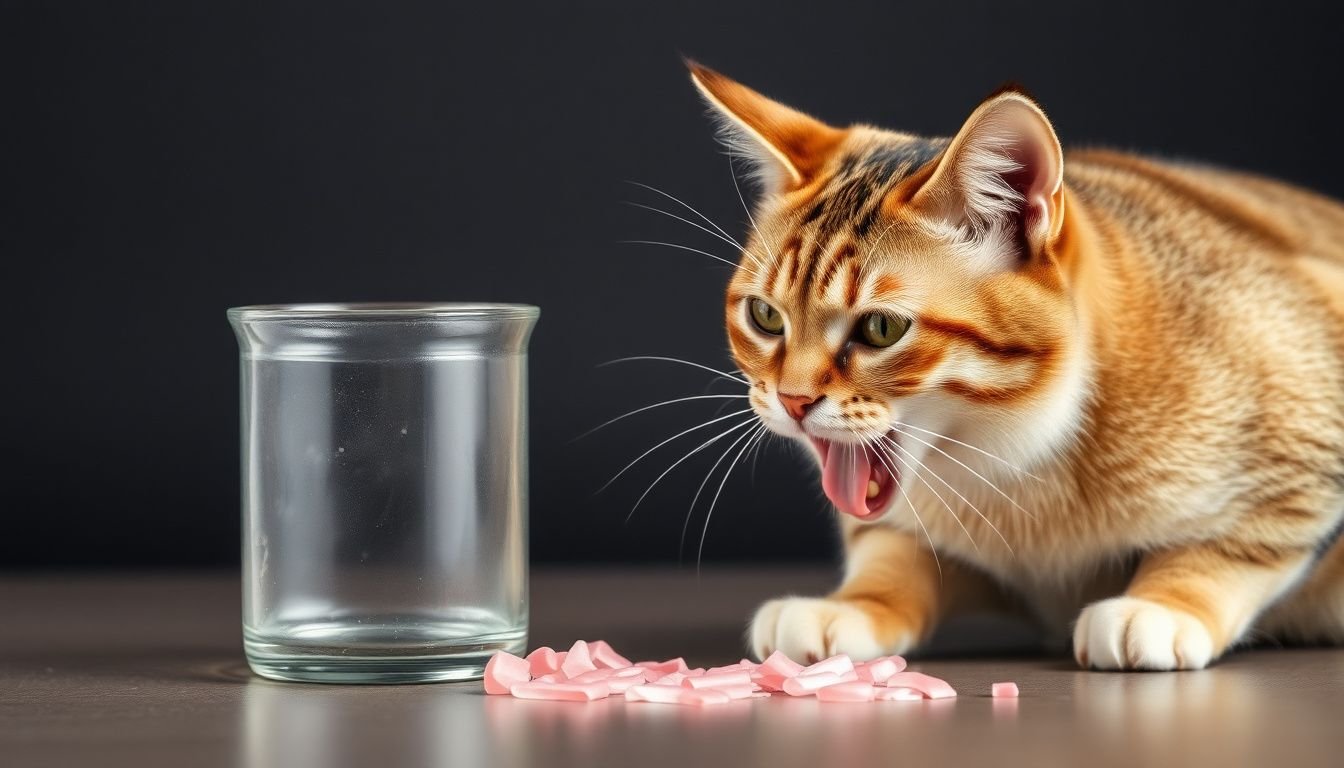
Toxin ingestion is another critical concern. Household cleaning products, certain plants (like lilies), human medications, and even some foods are highly toxic to cats. Symptoms of poisoning can include both sneezing (if irritants are inhaled or if the toxin affects the respiratory system) and violent vomiting, along with neurological signs, weakness, or collapse. Immediate veterinary care is paramount in these situations.
Parasites and Systemic Infections
Internal parasites, such as roundworms or tapeworms, can cause vomiting, diarrhea, and weight loss in cats. While less common, certain lungworms can also cause respiratory symptoms like coughing and sneezing, alongside digestive issues if the cat swallows the expelled mucus. Regular deworming protocols are essential for prevention.
Beyond common URIs, systemic infections can also present with a combination of sneezing and vomiting. Conditions like Feline Infectious Peritonitis (FIP), although rare, can have varied symptoms affecting multiple body systems, including respiratory and gastrointestinal tracts. These serious infections require prompt diagnosis and aggressive treatment from a veterinarian.
Environmental Factors and Allergies: Understanding Triggers for Feline Distress
Understanding your cat’s environment and potential allergens is key to preventing episodes of sneezing and vomiting. Many common household items or changes can inadvertently trigger these uncomfortable symptoms.
Identifying Environmental Irritants and Allergens
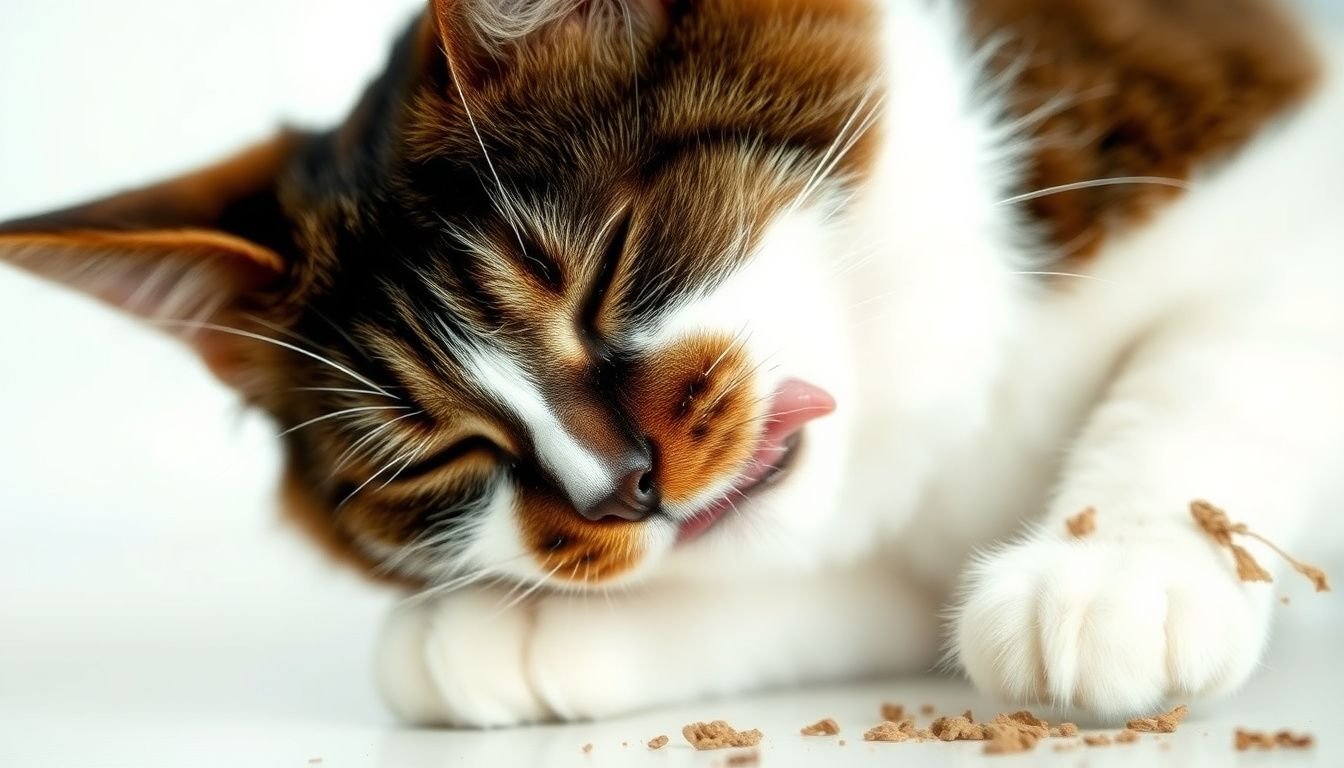
Just like humans, cats can suffer from environmental allergies. Pollen, dust mites, mold spores, and even certain types of cat litter can cause an allergic reaction. Symptoms often include sneezing, watery eyes, skin itching, and sometimes asthma-like wheezing. The stress or irritation from these respiratory symptoms can occasionally lead to a cat throwing up, especially if they are trying to clear their throat or airways.
Consider the products you use in your home. Air fresheners, strong cleaning chemicals, scented candles, and even certain types of fabrics can release particles or fumes that irritate your cat’s sensitive respiratory system. Eliminating or reducing exposure to these potential triggers can significantly improve your cat’s comfort and reduce instances of sneezing and subsequent vomiting.
Food Sensitivities and Dietary Changes Impacting Your Cat’s Health
Food allergies or sensitivities are another significant factor when considering why is my cat sneezing and throwing up. A cat can develop an adverse reaction to specific ingredients in their diet, most commonly proteins like beef, fish, or dairy. Symptoms typically include vomiting, diarrhea, skin issues, and sometimes even chronic sneezing or asthma-like signs.
Introducing new foods too quickly or feeding low-quality ingredients can also upset a cat’s delicate digestive system. It’s always best to transition new foods gradually over 7-10 days and opt for high-quality, easily digestible cat food. If you suspect a food allergy, your vet might recommend an elimination diet to identify the offending ingredient.
| Aspect | Environmental Irritants | Food Allergies/Sensitivities |
|---|---|---|
| Common Triggers | Dust, pollen, smoke, strong scents, cleaning products, certain cat litters | Specific proteins (e.g., beef, chicken, fish), grains, dairy, artificial additives |
| Primary Symptoms | Sneezing, watery eyes, nasal discharge, coughing, wheezing, mild skin irritation | Vomiting, diarrhea, skin itching, ear infections, chronic sneezing (less common) |
| Onset of Symptoms | Often immediate or shortly after exposure to the irritant | Can be delayed, developing over weeks or months of consistent exposure |
| Diagnostic Approach | Observation, environmental changes, allergy testing (less common for irritants) | Elimination diet (novel protein or hydrolyzed diet) followed by food challenges |
| Management | Reduce exposure, air purifiers, dust-free litter, symptomatic relief | Strict dietary management, prescription diets, anti-inflammatory medications |
When to Act: Urgent Veterinary Care for Your Feline Friend Exhibiting Sneezing and Vomiting
While some instances of sneezing and vomiting might resolve on their own, it’s critical to know when these symptoms indicate an emergency. Prompt veterinary attention can be life-saving for your cat.
Recognizing Red Flags and Emergency Symptoms
Not all sneezing and throwing up episodes are equal. Certain accompanying symptoms should immediately trigger a call to your vet. These include persistent or severe vomiting (more than once or twice in 24 hours), inability to keep water down, lethargy, loss of appetite for more than a day, difficulty breathing, bloody vomit or stool, or signs of pain (hiding, vocalizing, guarding abdomen). If your cat appears weak, disoriented, or has pale gums, these are also critical emergency indicators.
Moreover, if you suspect your cat has ingested a foreign object or a toxic substance, do not wait for symptoms to worsen. Time is of the essence in these scenarios. Even if your cat seems fine immediately after, internal damage or delayed reactions can be severe. Always err on the side of caution and consult your veterinarian immediately.
Preparing for a Vet Visit: What to Tell Your Doctor
When you take your cat to the vet because they are sneezing and throwing up, providing a detailed history is invaluable for accurate diagnosis. Be prepared to discuss:
- Onset and Duration: When did the symptoms start? Have they been continuous or intermittent?
- Frequency and Severity: How often is your cat sneezing and vomiting? Is the vomiting forceful?
- Vomit Characteristics: What does the vomit look like (food, bile, hairballs, blood)?
- Accompanying Symptoms: Is your cat lethargic, refusing food/water, coughing, experiencing diarrhea, or showing any behavioral changes?
- Recent Changes: Have there been any changes in diet, environment, new pets, or household products?
- Vaccination Status and Preventatives: Is your cat up-to-date on vaccines and parasite control?
This information, combined with a thorough physical examination and potentially diagnostic tests like blood work, X-rays, or fecal analysis, will help your veterinarian determine the underlying cause and formulate the most effective treatment plan to get your cat back to purr-fect health.
Frequently Asked Questions
Is it normal for a cat to sneeze and then throw up a hairball?
While not an everyday occurrence, it’s not entirely abnormal for a cat to sneeze before or during the expulsion of a hairball. The intense effort of gagging and vomiting can sometimes trigger a sneeze, or conversely, a sneeze might dislodge a hairball in the throat, leading to its regurgitation.
Can allergies cause both sneezing and vomiting in cats?
Yes, allergies can indeed cause both sneezing and vomiting in cats. Environmental allergens can cause respiratory irritation and sneezing, while food allergies often lead to digestive upset and vomiting. In some cases, a severe allergic reaction can manifest with a combination of both respiratory and gastrointestinal symptoms.
What should I do if my cat is sneezing and throwing up clear liquid?
If your cat is sneezing and throwing up clear liquid, it could indicate an empty stomach, dehydration, or persistent nausea. While not immediately alarming as bloody vomit, it’s still a symptom of distress. Monitor your cat closely, ensure they have access to fresh water, and if symptoms persist or worsen, contact your veterinarian.
How can I prevent my cat from sneezing and throwing up?
Prevention often involves managing environmental triggers, ensuring a high-quality diet, regular grooming to minimize hairballs, and keeping vaccinations and parasite control up-to-date. Avoiding sudden diet changes and keeping household toxins out of reach are also crucial steps to take.
When should I be really worried about my cat sneezing and throwing up?
You should be really worried and seek immediate veterinary care if your cat is lethargic, refusing to eat or drink, vomiting repeatedly within a few hours, has blood in their vomit or stool, is struggling to breathe, or shows signs of pain or disorientation. These are emergency indicators requiring urgent attention.
Final Thoughts on why is my cat sneezing and throwing up
Understanding why your cat is sneezing and throwing up involves navigating a spectrum of possibilities, from minor irritations like hairballs and mild allergies to more serious conditions such as infections, foreign body ingestion, or toxin exposure. The key takeaways emphasize meticulous observation, recognizing emergency signs, and providing a comprehensive history to your veterinarian. Early intervention is often critical in ensuring a positive outcome for your beloved pet.
Never hesitate to consult a veterinary professional when your cat exhibits concerning symptoms. Your proactive approach and attention to detail can make a significant difference in their health and comfort. By staying informed and acting swiftly, you empower yourself to be the best advocate for your feline companion’s well-being. Prioritize their health and ensure they receive the care they deserve.