
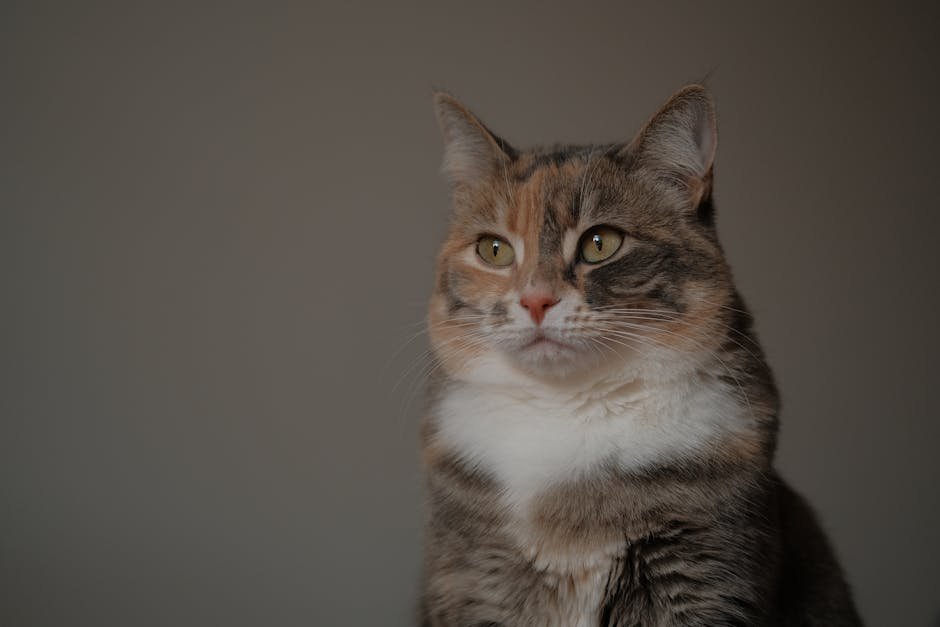
Waking up to a fine layer of cat hair on everything – your clothes, furniture, and even your morning coffee – is a reality many cat owners face. It’s frustrating, messy, and often leaves you wondering: why is my indoor cat shedding so much? You love your feline companion, but the constant battle against fur tumbleweeds can be overwhelming. This isn’t just a cosmetic issue; excessive shedding can sometimes be a sign of underlying health concerns or simply indicate that your cat’s grooming and environmental needs aren’t fully met.
You’re not alone in this furry predicament. Many indoor cat owners struggle with what seems like an endless supply of loose fur, even outside of traditional shedding seasons. Understanding the root causes behind your cat’s shedding habits is the first crucial step towards managing the situation effectively. From natural processes to dietary needs and potential health red flags, this comprehensive guide will demystify excessive shedding, offering practical advice and actionable solutions to help you and your beloved pet enjoy a healthier, less hairy home. Prepare to uncover the secrets to a healthier coat and a happier cat.
Decoding the Mystery: Why is My Indoor Cat Shedding So Much?
It’s a common misconception that indoor cats, protected from the elements, shed less than their outdoor counterparts. However, many indoor felines seem to shed almost constantly, leading owners to ask: why is my indoor cat shedding so much? The truth is, while their environment differs, indoor cats are still subject to numerous factors that influence their coat health and shedding cycles.
The Natural Cycle of Fur Growth and Loss
Just like human hair, a cat’s fur goes through a natural cycle of growth, rest, and shedding. Each hair follicle has a limited lifespan, and old hairs are shed to make way for new ones. This continuous process ensures a healthy coat. While some shedding is perfectly normal, the amount can vary significantly between individual cats, breeds, and even seasons.
Typically, cats have three main types of hair: guard hairs (the outer protective layer), awn hairs (the middle layer), and down hairs (the soft, insulating undercoat). Shedding occurs across all these layers, maintaining the coat’s integrity and function. An average cat can shed up to one-third of its coat annually, a testament to this constant renewal.
Seasonal Influences, Even Indoors
Even though your indoor cat might spend all their time within climate-controlled walls, their bodies still respond to subtle changes in daylight hours. Photoperiod (the length of daylight) is a primary trigger for seasonal shedding. As days lengthen in spring, cats shed their thick winter undercoat to prepare for warmer weather. Conversely, as days shorten in autumn, they shed their lighter summer coat to grow a denser one for winter.
While indoor lighting might mask some of these natural cues, it doesn’t eliminate them entirely. Many indoor cats still exhibit a noticeable increase in shedding during spring and fall. This natural adaptation helps them regulate body temperature and maintain optimal coat health throughout the year.
Top 5 Lifestyle Factors Dramatically Impacting Your Cat’s Coat
Beyond natural cycles, several lifestyle and environmental factors can significantly contribute to why your indoor cat is shedding so much. Addressing these can often lead to a dramatic reduction in loose fur around your home.
1. Diet and Nutrition: The Foundation of a Healthy Coat
A cat’s diet is paramount to its overall health, and its coat is often the first indicator of nutritional well-being. A diet lacking essential fatty acids (like Omega-3 and Omega-6), quality proteins, or crucial vitamins and minerals can lead to a dull, dry coat and excessive shedding. Think of it this way: if the building blocks aren’t strong, the structure will suffer.
Opt for high-quality cat food with real meat as the primary ingredient. Look for formulas enriched with fish oils or flaxseed, which provide those beneficial fatty acids. A well-nourished cat will have a healthy, shiny coat that sheds less, demonstrating the direct link between diet and fur health.
2. Grooming Habits: Brushing Away Excess Fur
Regular grooming is one of the most effective ways to manage shedding and prevent hairballs. Cats are fastidious groomers themselves, but their self-grooming isn’t always enough, especially for long-haired breeds or those with dense undercoats. When you ask, “why is my indoor cat shedding so much,” often the answer lies in insufficient human assistance with grooming.
Brushing removes loose, dead hair before it has a chance to fall out onto your furniture. It also distributes natural oils, keeping the coat healthy and shiny. Establishing a consistent brushing routine, even for just 5-10 minutes a few times a week, can make a significant difference.
3. Stress and Anxiety: A Hidden Shedding Trigger
Cats are creatures of habit, and changes to their routine or environment can induce stress, which in turn can lead to increased shedding. Moving to a new home, the introduction of a new pet or family member, loud noises, or even changes in feeding schedules can all be sources of anxiety. Stress hormones can impact hair follicles, causing them to release hair prematurely.
Observing your cat for other signs of stress, such as changes in appetite, litter box habits, or behavior, can help you identify if anxiety is contributing to their shedding. Creating a calm, predictable environment with plenty of safe spaces can help mitigate stress-related shedding.
4. Environmental Factors: Humidity and Temperature
While indoor environments offer protection, they can also contribute to shedding in unexpected ways. Low humidity, especially in heated homes during winter, can dry out a cat’s skin and coat, leading to increased shedding. Similarly, consistently warm indoor temperatures can trick a cat’s body into thinking it’s always summer, disrupting natural seasonal shedding cycles and potentially causing year-round shedding.
Consider using a humidifier during dry months to add moisture to the air. Maintaining a consistent, moderate temperature in your home can also help support a healthier coat. These subtle adjustments can often reduce the amount of loose fur you find.
5. Hydration: A Simple Yet Crucial Element
Adequate hydration is just as important for coat health as a good diet. Dehydration can lead to dry skin and a brittle coat, both of which contribute to excessive shedding. Many cats don’t drink enough water, especially if they primarily eat dry kibble.
Encourage your cat to drink more by providing multiple water bowls, using ceramic or stainless steel dishes, and considering a pet drinking fountain, which can entice them with fresh, flowing water. Adding wet food to their diet also significantly boosts their water intake, promoting overall health and a lustrous coat.
Unmasking Health Issues: When Excessive Shedding Signals Trouble
While many reasons for shedding are benign, a sudden or extreme increase in fur loss, especially when accompanied by other symptoms, can signal an underlying health problem. If you’re pondering, “why is my indoor cat shedding so much, and is it serious?” it’s crucial to be aware of potential medical causes.
Parasites and Skin Conditions
Fleas, mites, and other external parasites can cause intense itching, leading your cat to scratch, lick, and chew excessively. This self-trauma not only pulls out hair but can also damage the skin, causing irritation, redness, and secondary infections. Ringworm, a fungal infection, is another common culprit that results in patchy hair loss and flaky skin.
Regular flea prevention is essential, even for indoor cats, as parasites can hitchhike into your home. If you notice bald spots, scabs, or constant scratching, a vet visit is warranted to diagnose and treat any parasitic or skin conditions.
Allergies and Sensitivities
Just like humans, cats can suffer from allergies – to food, environmental allergens (pollen, dust mites), or even flea bites (Flea Allergy Dermatitis). Allergic reactions often manifest as intense itching, skin inflammation, and excessive grooming, which leads to significant hair loss. Your cat might incessantly lick their belly, inner thighs, or paws, pulling out fur in the process.
Identifying and eliminating the allergen is key. This might involve a special hypoallergenic diet, environmental modifications, or medication prescribed by your veterinarian to manage symptoms and reduce shedding.
Hormonal Imbalances and Systemic Diseases
Certain internal medical conditions can disrupt a cat’s normal shedding cycle and overall coat health. Hormonal imbalances, such as hyperthyroidism (an overactive thyroid gland), are relatively common in older cats and can lead to a greasy, matted coat and increased shedding. Kidney disease, liver disease, or diabetes can also impact skin and coat quality, causing dullness and excessive fur loss.
If your cat’s shedding is accompanied by other symptoms like weight changes, increased thirst, lethargy, or changes in appetite, it’s vital to seek veterinary attention. Early diagnosis and treatment of underlying diseases can significantly improve your cat’s health and coat condition.
Nutritional Deficiencies
Even with a seemingly good diet, some cats may have specific nutritional deficiencies or absorption issues that affect their coat. A lack of specific vitamins, minerals (like zinc), or essential fatty acids can weaken hair follicles, leading to brittle fur that sheds easily. This reinforces the importance of a balanced, high-quality diet tailored to your cat’s life stage and health needs.
Proactive Solutions: Effective Strategies to Manage Your Cat’s Shedding
Managing your cat’s shedding effectively involves a multi-faceted approach, combining good grooming habits, optimal nutrition, and a watchful eye on their overall health. Implementing these strategies can significantly reduce the amount of fur you find around your home.
The Power of Regular Brushing
This is arguably the most impactful action you can take. Regular brushing removes dead hair, prevents mats, and stimulates blood circulation to the skin. The frequency depends on your cat’s coat type and shedding level. Short-haired cats might need brushing 2-3 times a week, while long-haired breeds could benefit from daily sessions.
Invest in quality grooming tools appropriate for your cat’s fur. A deshedding tool like a Furminator can be highly effective for removing undercoat, while a slicker brush or rubber curry brush works well for general grooming and massaging the skin.
Optimizing Their Diet for Coat Health
Revisit your cat’s food. Is it truly high-quality? Look for foods rich in Omega-3 and Omega-6 fatty acids, often derived from fish oil, flaxseed, or chicken fat. These “good fats” are crucial for skin hydration and a lustrous coat. Consider adding a vet-approved Omega fatty acid supplement, especially if your cat has dry skin or a dull coat.
| Aspect | Standard Cat Food | Premium/Coat-Specific Cat Food |
|---|---|---|
| Primary Protein Source | Often corn, soy, or meat by-products | Named meat (chicken, salmon, turkey) first ingredient |
| Essential Fatty Acids | May be present in lower amounts or imbalanced | High levels of Omega-3 & Omega-6 (e.g., fish oil, flaxseed) |
| Vitamins & Minerals | Basic supplementation | Chelated minerals, additional vitamins (Biotin, Vitamin E) |
| Digestibility | Variable, can lead to poor nutrient absorption | Highly digestible ingredients for optimal nutrient uptake |
| Impact on Coat | Dull, dry, increased shedding | Shiny, soft, reduced shedding, healthier skin |
Creating a Stress-Free Environment
Minimize stressors in your cat’s life. Provide plenty of vertical spaces (cat trees, shelves) for them to observe their surroundings safely. Ensure they have quiet, private spots to retreat to. Maintain a consistent routine for feeding, play, and attention. Using feline pheromone diffusers can also help create a calming atmosphere, especially during periods of change.
Hydration Hacks for Feline Friends
Encourage water intake by making it appealing. Offer multiple water stations in different locations. Try a cat water fountain, as many cats prefer running water. Consider adding more wet food to their diet, which has a much higher moisture content than dry kibble. Proper hydration is a simple yet effective way to support healthy skin and a less shedding coat.
Frequently Asked Questions
Is it normal for indoor cats to shed year-round?
Yes, indoor cats often shed year-round due to consistent indoor temperatures and artificial lighting disrupting their natural seasonal cycles. While there might be peaks in spring and fall, a baseline level of shedding is common throughout the year for many indoor felines.
What kind of brush is best for a shedding cat?
The best brush depends on your cat’s coat length. For short-haired cats, a rubber curry brush or a fine-toothed comb works well. Long-haired cats benefit from a slicker brush, a wide-toothed comb, and a deshedding tool to remove the dense undercoat effectively.
Can diet really affect my cat’s shedding?
Absolutely. A high-quality diet rich in protein and essential fatty acids (Omega-3s and Omega-6s) is crucial for skin and coat health. Poor nutrition can lead to a dry, brittle coat and increased shedding, whereas a balanced diet promotes strong, healthy fur.
How often should I groom my shedding cat?
For most cats, 2-3 times a week is a good starting point. Long-haired breeds or those experiencing heavy shedding may benefit from daily brushing. Consistency is key to removing loose fur and preventing mats, thus reducing the amount of hair around your home.
When should I be concerned about my cat’s shedding?
You should be concerned if shedding is sudden, excessive, accompanied by bald patches, skin irritation, scabs, changes in appetite or behavior, or if your cat is excessively licking or scratching. These symptoms warrant a visit to your veterinarian to rule out underlying health issues.
Are there supplements that can reduce shedding?
Yes, certain supplements can help improve coat health and potentially reduce shedding. Omega-3 and Omega-6 fatty acid supplements (like fish oil) are commonly recommended for their benefits to skin and fur. Always consult your veterinarian before introducing any new supplements to your cat’s diet.
Final Thoughts on why is my indoor cat shedding so much
Navigating the world of cat shedding can feel like an endless battle against fur, but understanding the underlying reasons is the key to winning the war. We’ve explored how natural fur cycles, seasonal changes (even indoors), and critical lifestyle factors like diet, grooming, stress, and hydration all play a significant role in determining why your indoor cat is shedding so much. Moreover, recognizing when excessive shedding might signal a more serious health concern, such as parasites, allergies, or systemic diseases, empowers you to seek timely veterinary care.
The good news is that for many cats, managing shedding effectively comes down to implementing proactive, consistent care. Regular brushing, providing a high-quality, balanced diet rich in essential fatty acids, ensuring adequate hydration, and creating a calm, low-stress environment are powerful tools in your arsenal. These simple yet impactful strategies not only reduce the amount of loose fur around your home but also contribute significantly to your cat’s overall well-being and coat health.
Remember, a healthy coat is a reflection of a healthy cat. By being observant of your feline friend’s habits and coat condition, and by taking a proactive approach to their care, you can make a real difference. Don’t hesitate to consult your veterinarian if you notice any alarming changes or if the shedding seems truly excessive and unexplained. They can provide a professional diagnosis and tailored advice to ensure your cat remains happy, healthy, and less prone to leaving a trail of fur wherever they roam.
Start implementing these practical tips today, and you’ll likely see a noticeable improvement in your cat’s coat and a significant reduction in household fur. Your cat will thank you with a healthier, shinier coat, and you’ll appreciate a cleaner, less hairy living space.