
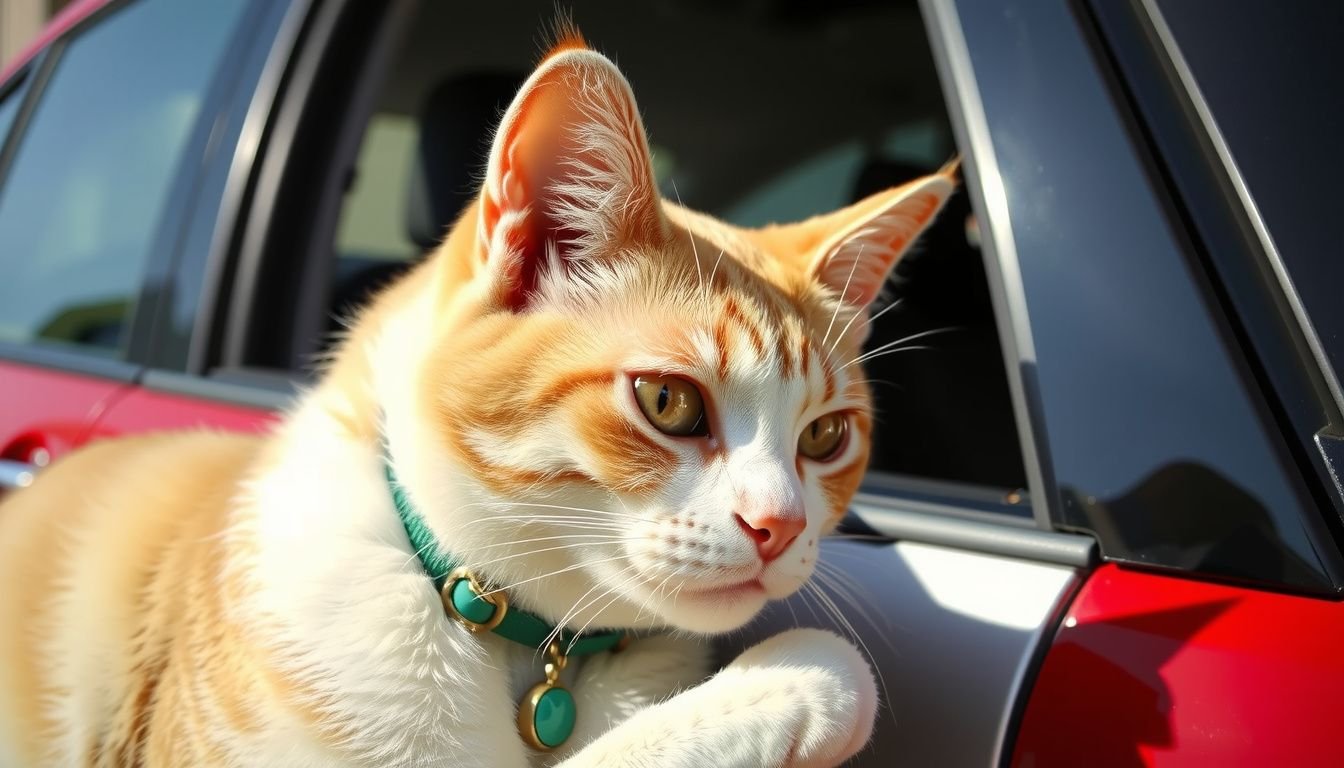
How to keep cats off my car starts with understanding what the cats are getting from your hood: warmth, height, and familiar scents. If you jump straight to “scare tactics,” you’ll often get a short-lived win, then the cats return as soon as the deterrent stops. Your goal is to remove the payoff and make the route inconvenient—without harming cats or your paint.
You’ll work in a simple sequence: confirm the attractant, clean away scent cues, block the easiest access paths, then layer in texture, motion, and cat-safe smells. Keep it calm and consistent. Cats learn patterns fast, and so will you.
One practical example: if a neighborhood cat naps on your warm hood every morning, you’ll get better results by changing where it climbs up (a nearby fence or trash bin) and adding a texture barrier on the hood than by spraying water once and hoping it “learns.”
Confirm Why Cats Are Getting on Your Car
Before you buy anything, figure out the “why.” Cats typically climb onto cars for warmth (freshly parked), security (a high lookout), or territory (scent-marking). Your fix should match the motivation, or you’ll chase symptoms.
Do a quick 2-minute inspection in good light. Look for paw prints, hair, claw scuffs near the windshield, and oily smudges where they rub their cheeks.
- Warm hood: happens after a drive, especially in cool weather.
- Territory: repeat visits to the same spot, plus rubbing marks.
- Access path: footprints on bumper/tires, nearby objects acting like “steps.”
Common mistake: assuming it’s “one cat.” Often it’s multiple cats using the same convenient route.
Before You Start: Gather Safe Deterrents and Protect Your Paint
You’ll get the best results when you protect your finish while you test deterrents. Choose options that don’t scratch, stain, or leave adhesive residue.
Gather a small kit so you can act immediately after cleaning:
- pH-neutral car shampoo and microfiber towels
- enzyme cleaner (pet-safe) for organic residues
- a soft car cover or hood cover (paint-safe lining)
- motion-activated sprinkler or sensor light (for driveway use)
- cat-safe scent deterrent (citrus/plant-based, non-oily)
Pro tip: if you’re testing a new product, spot-test it on an inconspicuous area first.
Common mistake: using sticky tapes or harsh chemicals on clear coat. They can cause dull spots or peeling.
Remove Scents and Marks That Attract Cats
If a cat has rubbed, sprayed, or simply rested on your car repeatedly, you’re dealing with scent cues. Regular rinsing won’t fully remove them, so cats keep checking the same “claimed” surface.
Wash the car first with car-safe soap, then target problem areas. Use an enzyme cleaner on microfiber, gently wipe, and let it dwell per label directions before rinsing.
- Focus on hood edges, windshield base, and roof corners.
- Clean any nearby vertical surfaces too (garage door, fence post).
- Repeat after rain if the smell seems to return.
Pro tip: finish with a quick spray wax or sealant. A slick surface can reduce how “grippy” and comfortable the hood feels.
Common mistake: using ammonia-based cleaners. They can mimic urine scent and attract repeat marking.
Block Access by Changing Parking Position and Pathways
Cats are route-driven. If your car is the easiest elevated platform, they’ll keep using it. Your fastest win is to break the approach path.
Walk the likely route from fence/hedge to hood. Then remove the “steps” or make them unstable.
- Move bins, recycling carts, and planters away from the car’s sides.
- Park closer to a wall/garage (leave safe clearance) to reduce jumping angles.
- If you have a driveway, vary your parking position for 1–2 weeks.
Pro tip: if the cat jumps from a specific object, relocate that object 6–10 feet away. Small shifts often fail; big shifts change behavior.
Common mistake: blocking only the front. Many cats prefer jumping from the side near the wheel well.
Add Texture Barriers Cats Avoid on and Around the Car
Cats prefer stable, comfortable footing. If the surface feels weird, they’ll choose another perch. Texture barriers work best when you place them where the cat lands, not where you wish it wouldn’t go.
Use paint-safe options that won’t trap grit against your finish.
- Soft car cover or hood cover (best for nightly protection)
- “Scat” mats with blunt nubs placed on the ground near access points
- Lightweight plastic runner (nubs up) placed on a garage floor, not on paint
Pro tip: if you must place something near the car, keep it off the paint and anchored so wind won’t drag it across the surface.
Common mistake: using abrasive mats or placing any textured plastic directly on clear coat—grit underneath can cause micro-scratches.
Use Motion, Light, and Sound Deterrents Strategically
Motion-based deterrents teach cats that approaching your car has an immediate consequence. You’ll get better results when the deterrent triggers at the approach route, not after the cat is already on the hood.
- Motion sprinkler: highly effective for open driveways (aim away from your car).
- Motion LED light: useful in darker areas; place it low to startle without blinding neighbors.
- Ultrasonic units: mixed results; position and power matter, and some pets may react.
Practical example: if the cat enters from a side gate, mount a motion light facing that gate and place a sprinkler covering the first 6–8 feet of driveway. The cat gets interrupted before it reaches your bumper.
Common mistake: leaving devices on 24/7 in the same position. Rotate angles weekly so cats don’t habituate.
Apply Cat-Safe Scent Deterrents Without Staining Surfaces
Scent deterrents can help, but you need to apply them safely. Avoid oily sprays and essential-oil-heavy mixes that can stain trim, soften plastics, or leave residue that holds dirt.
Use commercial cat repellents labeled for outdoor use and follow directions precisely. Apply to the environment around the car more than the car itself.
- Spray along driveway edges, near fence lines, and on non-porous barriers.
- Use citrus-scented sachets near (not on) the vehicle in a garage.
- Reapply after rain or washing.
Pro tip: if you must apply near paint, spray onto a cloth first and wipe a small test area, then check for haze after it dries.
Common mistake: using pepper, cayenne, or mothballs. They can irritate animals and create unsafe fumes.
Maintain Results with a Weekly Routine and Troubleshooting
Consistency is what makes the change stick. Plan a simple weekly routine, then adjust based on what you observe.
- Weekly: quick wash of the hood and windshield base to remove new scent marks.
- Weekly: reposition motion devices and check batteries/sensor angles.
- After rain: reapply outdoor deterrents and inspect access routes.
If cats persist, you’re usually missing one of two things: a nearby “step” you didn’t notice, or a scent source you didn’t fully remove. Re-check bins, low walls, and parked items near your tires.
Common mistake: changing three variables at once. Adjust one layer per week so you can see what’s actually working.
What to Do Now
Start tonight with the highest-impact combo: clean away scent cues, block the easiest access route, and add one reliable deterrent (a hood cover or motion light). Keep your approach cat-safe and paint-safe, and you’ll avoid trading paw prints for scratches or stains.
Over the next 7 days, watch where the cat approaches from and move deterrents to that exact line of travel. If you’re parking outside long-term, layer in a motion sprinkler or a texture barrier near the jump-up points for a stronger “no reward” message.
If you still see repeat visits after two weeks, reassess the route and consider talking with neighbors about outdoor feeding spots or shelter areas that may be anchoring the behavior near your car.