
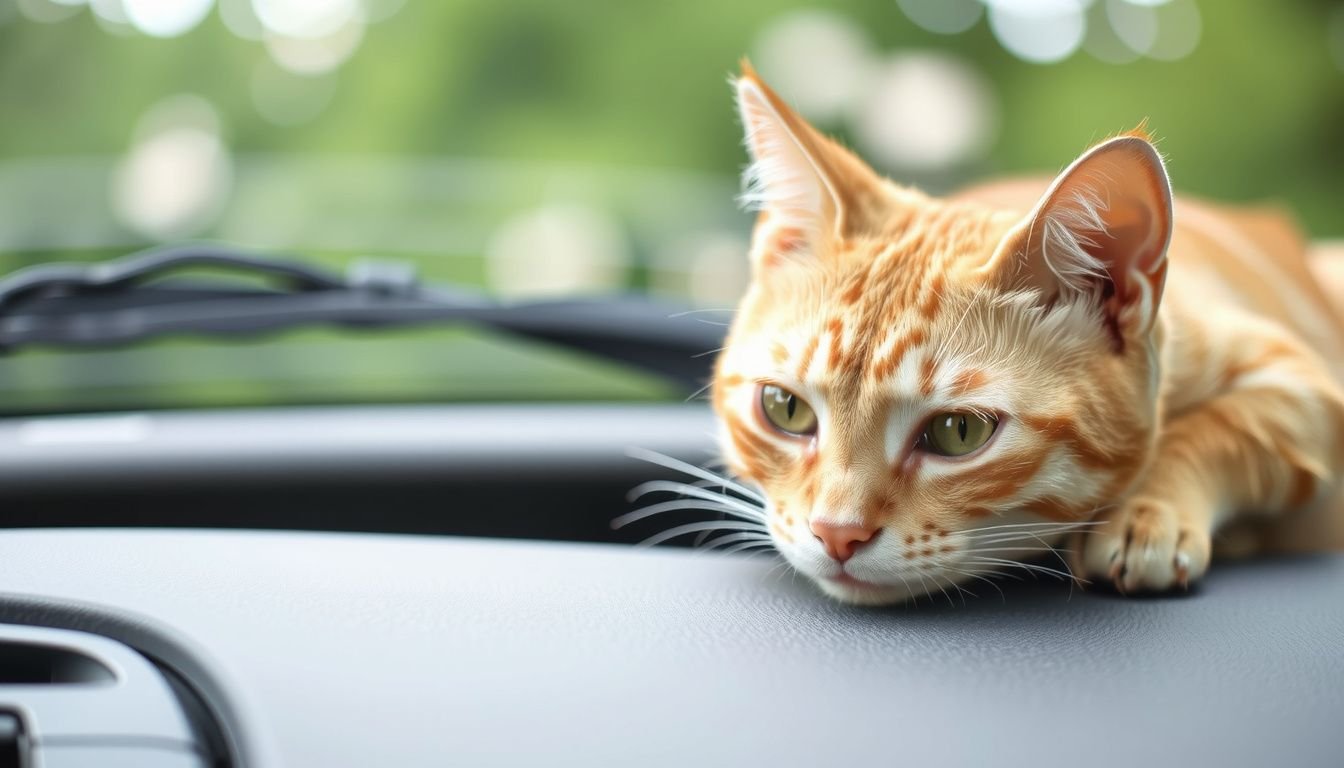
If you’re searching for how to calm down cat in car, you’re not alone. Many cat owners dread traveling because their cats panic, yowl, or even get sick during car rides. Luckily, with proper preparation and a few proven techniques, you can make the trip much less stressful for both you and your feline companion.
This guide gives you a clear, step-by-step approach that works whether you’re heading to the vet or embarking on a cross-country move. One real-world example: After following these steps, Sarah noticed her anxious rescue cat stopped panting and settled quietly in the carrier during a recent road trip. Let’s make your next car journey as calm as possible—for both of you.
Prepare Your Cat and Vehicle Before the Trip
Preparation is the foundation for a smooth ride. Start by acclimating your cat to the carrier days or weeks before travel. Leave the carrier out in a familiar spot, placing treats or toys inside to encourage exploration.
Feed your cat near or inside the carrier so it becomes a safe zone, not a signal for stress.
Before the trip, check your vehicle for any potential hazards—loose items, uncomfortable temperatures, or strange smells. Pack essentials:
- Cat carrier with a soft blanket
- Favorite toy or item from home
- Water and portable bowl
- Lint roller or wipes (for fur and accidents)
Pro tip: Never feed your cat right before leaving—a light meal a couple of hours earlier reduces nausea risk. Avoid common mistakes like forcing your cat into the carrier at the last minute or forgetting to secure it in the car.
Create a Comfortable Space in the Car
Your cat’s comfort in the vehicle is crucial. Place the carrier on a flat, stable surface—ideally the back seat, secured with a seatbelt. Drape a light towel over the carrier to reduce visual stimuli and help your cat feel hidden and safe.
Maintain a comfortable temperature in the car. If it’s hot, use air conditioning; if cold, pre-warm the car. Play soft, soothing music or use a white noise app to mask road sounds.
Many cats relax with gentle background noise.
Consider using a pheromone spray (like Feliway) inside the carrier 15 minutes before departure. These products mimic calming cat scents and can make a big difference.
Common mistake to avoid: Don’t open the carrier while the car is in motion—an escaped, panicked cat can cause accidents.
Use Calming Techniques During the Journey
During the drive, your goal is to minimize stress triggers. Speak in a calm, reassuring voice. If your cat vocalizes, resist the urge to yell or scold—this only increases anxiety.
Instead, offer calm encouragement or be quietly present.
If your cat is particularly anxious, consider:
- Short practice drives: Gradually increase the duration so your cat gets used to car movement.
- Natural calming aids: Some cats benefit from supplements like CBD, Rescue Remedy, or vet-approved anti-anxiety medications. Always consult your vet first.
- Frequent check-ins: If you stop, check your cat’s comfort and offer water, but don’t take them out unless absolutely necessary and safe.
Look, it’s natural for some cats to pant or hide during the first few trips. Stay patient and don’t overreact to minor signs of stress unless your cat is in genuine distress.
Handle Arrival and Post-Travel Stress Effectively
Once you arrive, don’t rush. Give your cat a few minutes in the stationary car before moving the carrier. This lets them adjust to the new surroundings without sudden changes.
Set up a quiet, safe space at your destination—ideally a small room with their litter box, water, and familiar items. Open the carrier door and let your cat come out at their own pace.
Avoid loud noises or lots of people immediately after arrival. If your cat hides, that’s normal—don’t force interaction. Monitor for signs of stress like refusal to eat, excessive hiding, or aggression.
If these continue for more than a day or two, consult your vet.
Pro tip: Use the same blanket or toy that traveled with your cat to provide continuity and comfort in the new environment.
People Also Ask
How long does it take for a cat to calm down after a car ride?
Most cats relax within a few hours of arriving, but some may take a day or two to fully settle. Give them quiet time and familiar items to help the process.
Should I sedate my cat for car travel?
Sedation is rarely necessary and should only be done with your vet’s guidance. Try behavioral and environmental techniques first; medication can have side effects.
What if my cat vomits or soils the carrier during the trip?
Pull over safely, clean your cat and the carrier with wipes, and replace the bedding if possible. Keep extra towels and cleaning supplies on hand for quick cleanups.
Putting It Into Practice
Now you know exactly how to calm down cat in car with proactive prep, smart travel choices, and patience. Put these steps into action for every car ride, short or long. Over time, your cat will associate travel with safety instead of fear.
Keep practicing, adjust as needed, and enjoy smoother trips for both you and your furry companion.