
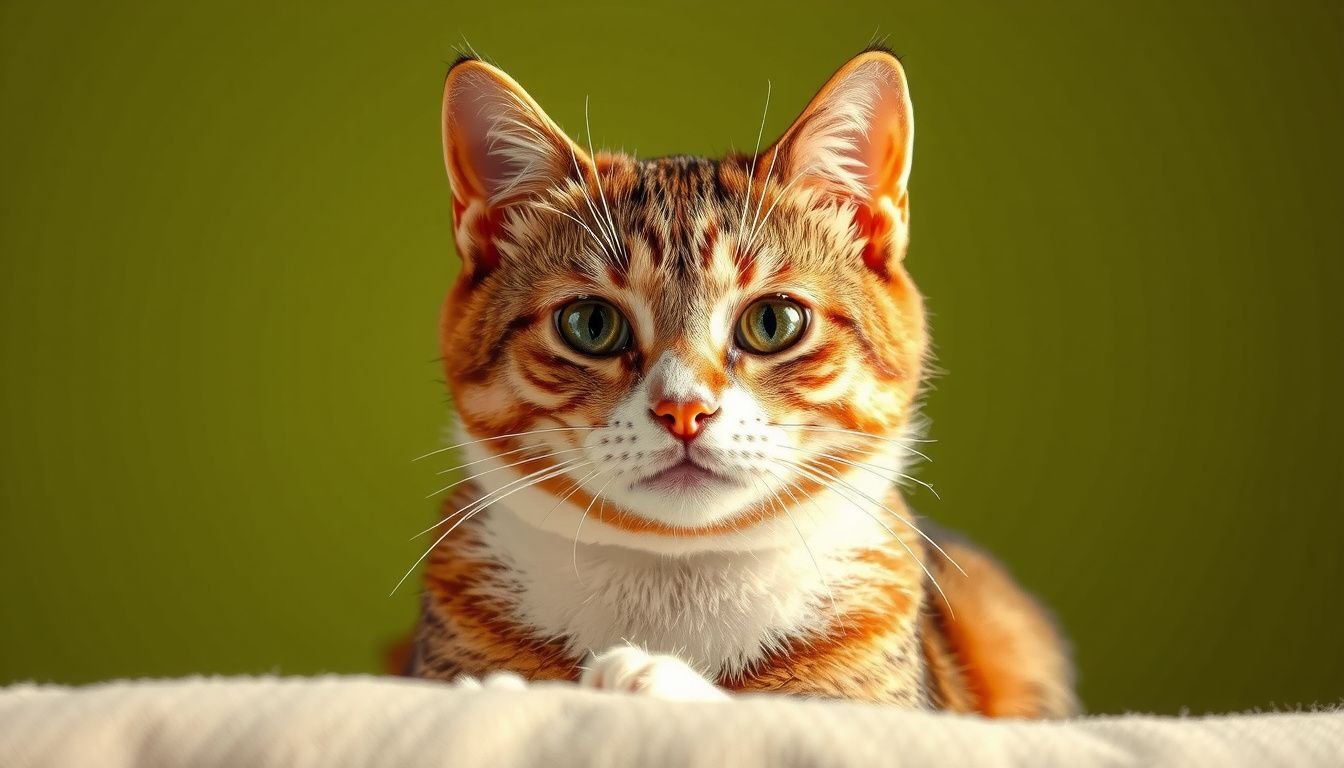
Do cats care about their owners? If you’ve ever been ignored after a long day, you’ve probably asked that exact question. You’re not imagining the mixed signals—cats communicate affection in subtle, species-specific ways that don’t always look “lovey” to humans.
As someone who’s worked with common feline behavior patterns (and the problems that bring people to vets and behaviorists), I can tell you this: many cats form real attachments, but they show them on their terms. You’ll learn what attachment looks like in cats, which behaviors are genuine “I trust you” signals, and what to do if your cat seems distant. Keep reading and you’ll know what to watch for—starting today.
Quick Facts Box
- Cat affection is often quiet: proximity, routine, and trust cues matter more than cuddles.
- Independence isn’t indifference: many cats bond strongly while still needing control of contact.
- Sudden withdrawal can be medical: pain and stress commonly reduce social behavior.
Why you wonder if your cat cares about you
You wonder because your cat’s “love language” doesn’t match the human one. You offer attention, and your cat walks away. That contrast can feel personal, even when it’s normal feline behavior.
Cats are both predator and prey, so they’re wired to protect their space and control interactions. If your cat chooses distance, it may be self-regulation, not rejection. Some cats also prefer one person, one room, or one time of day for social contact.
It helps to judge care by patterns, not moments. Look for repeated, voluntary choices your cat makes—staying near you, checking on you, and seeking you out when calm.
How cats show attachment differently than dogs
Dogs often bond through constant social contact and obvious greeting rituals. Cats tend to bond through shared territory, predictable routines, and low-conflict companionship. You’re looking for “secure attachment,” not constant enthusiasm.
Cats also use subtle signals: slow blinks, relaxed posture, and gentle head contact. Many cats dislike prolonged restraint, so they may care deeply while refusing to be held.
Think of it this way: a dog may say “I love you” loudly; a cat may say it by choosing to nap within arm’s reach. That choice is meaningful because cats don’t do it unless they feel safe.
Clear signs your cat cares about you
If your cat cares about you, you’ll see consistent behaviors that show trust and social preference. These are voluntary signals—your cat could do something else, but chooses you.
- Slow blinking when you look at them, especially paired with relaxed ears and soft eyes.
- Following you room to room, or “supervising” nearby without demanding attention.
- Head bunting or cheek rubbing to mix scent and mark you as familiar.
- Greeting behavior like tail-up approaches, chirps, or weaving around your legs.
- Sleeping near you or exposing their belly while staying relaxed (not an invitation to pet).
One sign alone isn’t proof. A cluster of them, repeated over time, is.
Behaviors that look cold but can mean trust
Some “rude” cat behaviors are actually comfort behaviors. When you read them correctly, they’re reassuring.
Your cat turning their back to you can mean they feel safe enough not to monitor you. Leaving the room after a few pets can mean they’re regulating arousal—staying under their comfort threshold.
Even ignoring you can be neutral, not negative. A relaxed cat in the same room, grooming or resting, is often choosing shared space. If your cat eats, uses the litter box normally, and maintains routine around you, that baseline calm is a form of trust.
How your cat’s personality and history affect bonding
Your cat’s affection style is shaped by genetics, early socialization, and past experiences. A well-socialized kitten often grows into a cat that tolerates handling and seeks contact. A cat with limited early human exposure may bond, but more cautiously.
Personality matters too. Some cats are bold and social; others are sensitive and easily overstimulated. A shy cat can care deeply while showing it in small doses.
History can leave marks. Moves, loud households, or previous rough handling can make a cat avoid touch. Your job isn’t to force closeness—it’s to create predictable, respectful interactions that let your cat choose connection.
What daily interactions strengthen your relationship
Bonding is built through repeatable, low-pressure routines. Your cat learns, “You’re safe, you’re consistent, and you listen.” That’s how affection grows.
- Interactive play 5–10 minutes daily (wand toys, chase, then a small meal).
- Consent-based petting: pause after a few strokes and let your cat re-initiate.
- Predictable care: same feeding windows, clean litter, calm greetings.
Practical example: If your cat bolts when you reach down, switch tactics for a week. Sit on the floor, toss treats past you (not at you), and use a wand toy to end sessions on a “win.” Many cats start approaching on their own once pressure disappears.
Common mistakes that push your cat away (and fixes)
Most relationship problems come from accidental boundary violations. Cats remember what made them uncomfortable and will avoid repeats.
- Picking up without warning → Offer a hand sniff, then lift only if your cat leans in and stays loose.
- Over-petting (tail twitching, skin ripples) → Stop at early signals; use shorter pet bursts.
- Punishing “bad” behavior → Redirect to scratching posts, add enrichment, reward the right choice.
Look for the pattern: if your cat withdraws after a certain action, that action is likely too intense. Adjust intensity, duration, or timing.
When a lack of affection could signal stress or illness
If your cat suddenly becomes distant, assume “health or stress” before “attitude.” Cats hide discomfort well, and reduced social behavior is a common early clue.
Watch for changes in appetite, litter box habits, grooming, sleep, or mobility. Pain from dental disease, arthritis, or urinary issues can make touch feel unpleasant. Stressors like new pets, visitors, construction noise, or schedule changes can also shrink your cat’s social bandwidth.
If withdrawal lasts more than a few days, or comes with any physical change, book a veterinary visit. Behavior improvement often starts with treating pain or reducing stress triggers.
How to tell if your bond is growing over time
Progress in cat relationships is usually gradual. You’ll notice your cat choosing you more often, for longer, with fewer “startle and flee” moments.
Track simple metrics weekly: proximity, approach frequency, tolerance of brief touch, and recovery time after surprises. A growing bond looks like quicker relaxation, more slow blinks, and more voluntary contact.
| Sign | What it suggests |
|---|---|
| Approaches you after you sit down | Seeking low-pressure contact |
| Plays more readily | Increased confidence and positive association |
| Stays nearby during routine noise | Trust in your environment management |
Celebrate small wins. With cats, consistency beats intensity every time.
Final Thoughts
If you’re asking whether your cat cares, you’re already paying attention—and that’s the foundation of a strong bond. Many cats do care deeply, but they express it through trust, proximity, and choice rather than constant cuddling. Your best move is to respect boundaries, build predictable routines, and use play and gentle consent-based touch to create positive associations.
If affection drops suddenly, treat it as a possible stress or health signal and involve your veterinarian when needed. Over weeks, you should see more voluntary contact and calmer body language. Keep interactions easy, repeatable, and kind, and your cat will tell you—quietly but clearly—where you stand.
- 60-second recap: Cats often show care through proximity and trust, not clinginess.
- Look for slow blinks, head rubs, following, and relaxed sleeping nearby.
- “Cold” behaviors like walking away can mean comfort and self-regulation.
- Personality and early history shape how affection shows up.
- Strengthen your bond with daily play, predictable routines, and consent-based petting.
- Avoid forced handling, over-petting, and punishment; redirect and reward instead.
- Sudden withdrawal can signal pain or stress—consider a vet check.
- Track progress by increased approaches, play, and faster relaxation over time.
Related read: Best Cat Food for Kidney Failure: Vet-approved Reviewed