
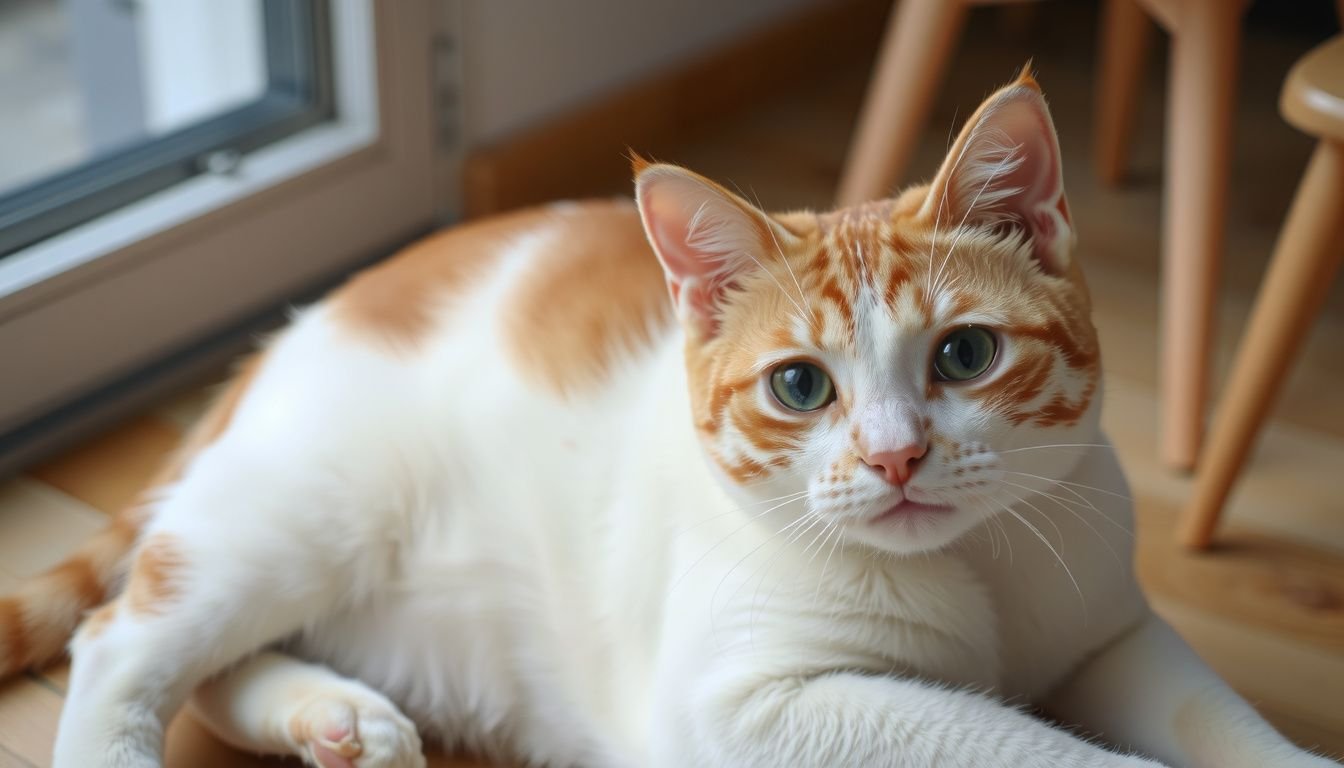
Why do people call cats cars? You’re not mishearing—online, “car” has become a playful stand-in for “cat,” and it spreads fast once you notice it. The context is usually meme-heavy spaces where typos, autocorrect fails, and inside jokes turn into shared language.
If you’ve spent any time on TikTok comments, Reddit threads, or Discord servers, you’ve probably seen “my car is purring” and wondered what you missed. You’re not behind; you’re just seeing a micro-slang evolve in real time. You’ll learn what the phrase actually signals, how it started, why it’s funny, and how to use it without confusing people who aren’t in on the joke.
What You’re Actually Hearing When Someone Says “Cats Are Cars”
Most of the time, you’re hearing a deliberate “wrong word” joke, not a belief that cats and cars are related. People swap “cat” for “car” because the words are visually similar and easy to mistype, which makes the substitution feel natural in casual typing. Then the internet does what it does: it repeats the error until it becomes a bit.
When someone says “cats are cars,” they’re usually communicating one of three things: they’re being silly, they’re referencing meme culture, or they’re signaling you’re in the same online neighborhood. The meaning is less about literal language and more about shared tone.
- Playful absurdity (it’s funny because it’s wrong)
- Community shorthand (you “get it” or you don’t)
- Low-stakes affection (a cute way to talk about a pet)
How the “Car” Cat Nickname Started: Meme Culture and Autocorrect
The origin isn’t one single post; it’s a pattern. “Car” is a common autocorrect or typo for “cat,” especially on mobile keyboards where letters sit close and predictive text guesses aggressively. Early screenshots of accidental “car” messages got shared because they were harmless and instantly understandable.
Then meme culture took over. People started using “car” on purpose to imitate the accidental version, the same way the internet keeps phrases like “doge” or “smol” alive. The humor comes from pretending the typo is normal and watching others play along.
You’ll also see it reinforced by cat content itself: cats “purr,” “zoom,” and “rev up” when they get the zoomies, so automotive language maps neatly onto feline behavior. That overlap makes the nickname stickier than a random typo would be.
Why You and Everyone Else Find It Funny: The Humor Mechanics
This joke works because it’s quick. Your brain recognizes the intended word (“cat”) and the incorrect word (“car”) at the same time, creating a tiny moment of surprise. That surprise is the punchline.
It’s also “safe humor.” Nobody’s the target; the joke is the language itself. That makes it easy to repeat in comments without risking offense or needing a big setup.
- Incongruity: cats aren’t cars, so the mismatch is funny
- Low effort, high signal: one word flips the tone to playful
- Call-and-response: others can riff (“vroom,” “engine purr”)
Look, it’s basically a verbal wink. You’re not telling a joke; you’re joining one already in progress.
Where You’ll See It Most: TikTok, Reddit, Discord, and Comment Sections
You’ll spot “car” for cats anywhere fast, informal writing dominates. TikTok comments are a hotspot because short text rewards quick gags, and cat videos create the perfect environment for the pun to land. Reddit uses it heavily in pet subreddits and meme threads where running jokes are social glue.
Discord is where it can become a “server dialect.” Once a few people start saying “car,” it spreads through repetition, stickers, and bot commands. You’ll also see it in YouTube and Instagram comments, especially under clips of cats sprinting, chirping, or knocking things over.
- TikTok: “your car is so loud” under a purring clip
- Reddit: “my car needs maintenance” (vet visit)
- Discord: “post car pics” as a channel prompt
What People Mean in Context: Compliment, Joke, or In-Group Signal
Context decides the meaning. Under a cute photo, “nice car” is basically a compliment: your cat is adorable, sleek, or impressive. In a chaotic thread, it’s just a joke to keep the vibe light.
Sometimes it’s an in-group signal: using “car” tells others you’re fluent in internet humor and comfortable with playful nonsense. That matters in communities where tone is everything and earnestness can feel out of place.
Watch the surrounding language. If you see other meme markers—intentionally wrong spelling, exaggerated sound effects, or rapid-fire replies—“car” is part of that style. If the conversation is serious (health, loss, safety), the same word can read as dismissive.
How You Can Use “Car” for Cats Without Sounding Confusing
If you want to use it, keep it simple and give people a hint. The safest move is pairing “car” with an obvious cat cue like “purr,” “meow,” “litter,” or “whiskers.” That way, even someone outside the meme gets the intent instantly.
Here’s a practical, real-world example you can copy: “My car won’t stop purring since dinner—guess the engine’s happy.” It reads as playful, and the purring makes the meaning clear.
- Use it in casual spaces: comments, group chats, pet servers
- Keep it to one sentence if your audience is mixed
- Don’t overdo it; one “car” is fun, ten gets tiring
Common Variations You’ll Run Into: “My Car,” “Vroom,” and “Cat Model Names”
Once “car” is established, people riff. “My car” is the most common because it mirrors normal pet talk (“my cat”) while keeping the joke intact. “Vroom” shows up when a cat sprints, gets zoomies, or launches off furniture like it’s drag racing.
You’ll also see “model names” and fake specs, which is where the meme gets more creative. People describe cats like vehicles: year, make, mileage, and “maintenance” (grooming or vet visits). It’s a way to turn everyday pet life into a mini comedy bit.
- “Just got a new car” = adopted a cat
- “Engine’s loud” = heavy purring
- “Needs an oil change” = bath, brushing, or vet check
When It Doesn’t Land: Situations Where You Should Skip the Joke
This meme is tone-dependent. If someone is asking for urgent advice—poisoning concerns, breathing issues, injury—calling their cat a “car” can come off as unserious. The same goes for grief posts or memorial threads; people want empathy, not wordplay.
You should also skip it in professional settings: vet emails, adoption applications, workplace chats with unfamiliar colleagues. The joke relies on shared internet context, and without that context, it can look like you made a mistake or aren’t paying attention.
- Medical or emergency discussions
- Loss, rehoming, or sensitive behavior problems
- Formal writing where clarity matters more than vibe
Quick FAQ: Is It Slang, a Meme, or a Typo—and Why It Stuck?
It started as a typo/autocorrect moment, but what you’re seeing now is a meme. Slang usually develops to name something new or useful; this is more like a shared comedic habit that signals “we’re joking here.” That’s why it spreads fastest in comment culture.
It stuck because it’s easy to reproduce, instantly recognizable, and endlessly remixable. You can drop it into almost any cat sentence and get a small laugh without needing explanation. And because cats already get compared to machines—purring engines, sudden acceleration, random “malfunctions”—the automotive metaphor feels weirdly natural.
If you’re unsure, treat it as a meme first. Use it lightly, watch reactions, and match the tone of the space you’re in.
Final Summary
You see “car” used for cats because a common typo turned into a repeatable meme, and the internet loves language that’s both wrong and instantly understood. The joke works through surprise, shared context, and the way cat behavior already fits silly “vehicle” metaphors. You’ll encounter it most in fast, informal communities like TikTok, Reddit, and Discord, where in-group humor spreads through repetition.
If you want to use it, anchor the meaning with clear cat cues (“purr,” “meow,” “zoomies”) and avoid serious or formal situations. Keep it light, keep it readable, and you’ll sound like you’re in on the fun—not like you’re confused.
Related read: Why are People Calling Cats Cars: Unraveling the Mystery