
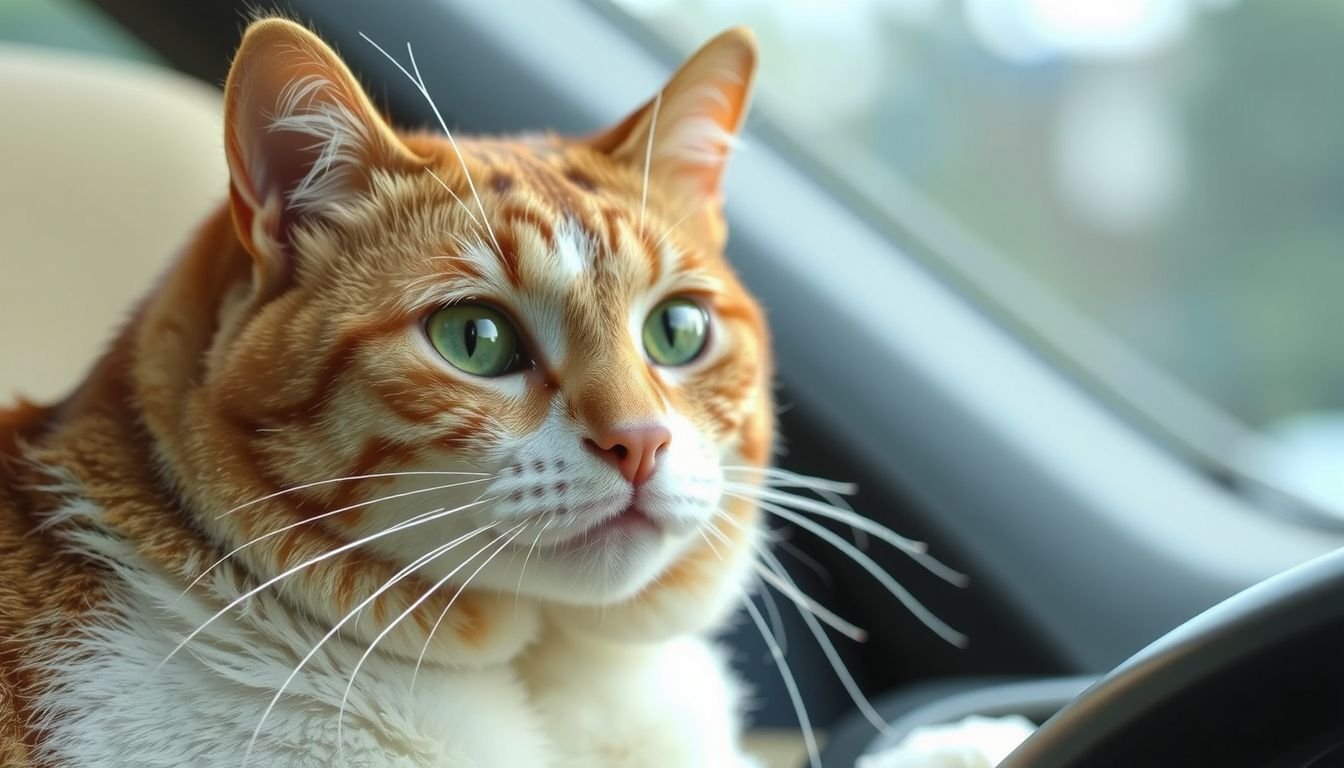
Dealing with lingering cat urine in your vehicle is a problem you shouldn’t ignore. If you’re searching for how to get cat pee smell out of car, you need practical steps that work. Cat urine is potent: the ammonia and uric acid bind to fabrics, making odors stubborn.
Tackling this issue quickly will save your upholstery and your sanity. You’ll need the right supplies, a careful cleaning process, and a few preventive tricks to keep the problem from returning. Whether a scared kitten had an accident during a vet trip or you’re cleaning up after a rescued stray, you can restore your car’s freshness.
Let’s break down each step so you can get back to a clean, comfortable ride without lingering odors.
Prepare Your Car and Gather Cleaning Supplies
Before you start cleaning, ventilate your car thoroughly. Open all doors and windows to let fresh air circulate. Remove loose items, floor mats, and seat covers to expose all surfaces.
This helps you spot problem areas and prevents cross-contamination.
Gather these essential supplies:
- Paper towels or clean absorbent cloths
- Rubber gloves
- Enzyme-based pet urine cleaner (available at most pet stores)
- Baking soda
- White vinegar
- Spray bottle
- Vacuum cleaner or shop vac
Pro tip: Never use ammonia-based cleaners. They amplify the urine smell and attract cats to re-mark the spot.
Example: One reader realized her rescue kitten had peed on the backseat. She followed these setup steps, saving herself hours of future scrubbing by preparing properly.
Locate and Blot the Cat Urine Spot
Finding the exact source is critical. Sniff around the car’s upholstery and carpeting. Urine can soak deep into foam padding, so check seams and under mats.
A handheld blacklight can help you spot invisible stains by making them glow.
Once located, blot up as much urine as possible with paper towels or a clean cloth. Press down firmly; don’t rub. Rubbing spreads the stain and drives urine deeper.
If the spot is already dry, dampen it slightly with cold water and blot again.
- Wear gloves to protect your skin.
- Dispose of soiled towels in a sealed bag.
- Repeat blotting until almost no moisture transfers to the towel.
Common mistake: Skipping this step and applying cleaners directly can lock in odors. Always start with blotting.
Apply Cleaning Solutions and Remove Odor
Now, it’s time to neutralize both the stain and the odor. Generously spray the affected area with an enzyme-based cleaner. These products break down uric acid crystals that cause lingering smells.
Let the solution sit for at least 15–30 minutes (check the product instructions).
- Blot the area again with dry towels to remove excess cleaner and residue.
- Sprinkle baking soda over the spot once it’s slightly damp, not soaking wet.
- Let the baking soda sit for several hours or overnight to absorb any remaining odor.
- Vacuum thoroughly to remove all powder.
If you don’t have enzyme cleaner, mix equal parts white vinegar and water in a spray bottle. Spray the spot and blot, then follow with baking soda. Vinegar neutralizes ammonia but may leave its own smell, which dissipates as it dries.
Pro tip: Repeat the process if the odor persists. Deep stains sometimes need two or three treatments.
Prevent Future Cat Urine Smells in Your Car
Now that your car is fresh, take steps to avoid repeat accidents. If you travel with your cat, always use a secure, leak-proof carrier lined with absorbent pads. Cover car seats with washable, waterproof covers whenever possible.
Consider these prevention strategies:
- Clean up accidents immediately—fresh stains are easier to remove.
- Use a pet-safe deterrent spray on upholstery to discourage marking.
- Keep windows slightly cracked when parked to maintain airflow (when safe).
- Regularly deep-clean your car’s interior to catch missed spots.
For anxious cats, talk to your vet about calming products for car rides. Consistency is key to keeping odors from returning.
What Readers Ask
Can I use regular household cleaners on cat urine?
No. Most household cleaners don’t break down uric acid, so the smell can linger. Stick with enzyme cleaners designed for pet odors.
Will air fresheners remove cat pee smell?
Air fresheners may mask the odor temporarily but won’t remove it. You need to physically clean and neutralize the urine source.
How do I get cat urine smell out of car vents?
If the odor’s in your vents, use an enzyme-based fogger or spray, then run the AC on recirculate. Repeat as needed, and replace cabin air filters.
What if the smell doesn’t go away after cleaning?
If odors persist, repeat the enzyme treatment or consult a professional detailer. Deep-set stains may require removal of upholstery or padding.
Start Here
You’ve got a clear system to tackle even the toughest cat urine smells in your car. Start by airing out your vehicle and gathering the right supplies. Work methodically—locate, blot, treat, and protect.
If you act fast and use enzyme-based solutions, you’ll break down stubborn odors at the source. Now, keep those preventive habits in place so your next road trip is stress-free and fresh. Ready to reclaim your car’s clean scent?
Gather your supplies and tackle that spot today.