
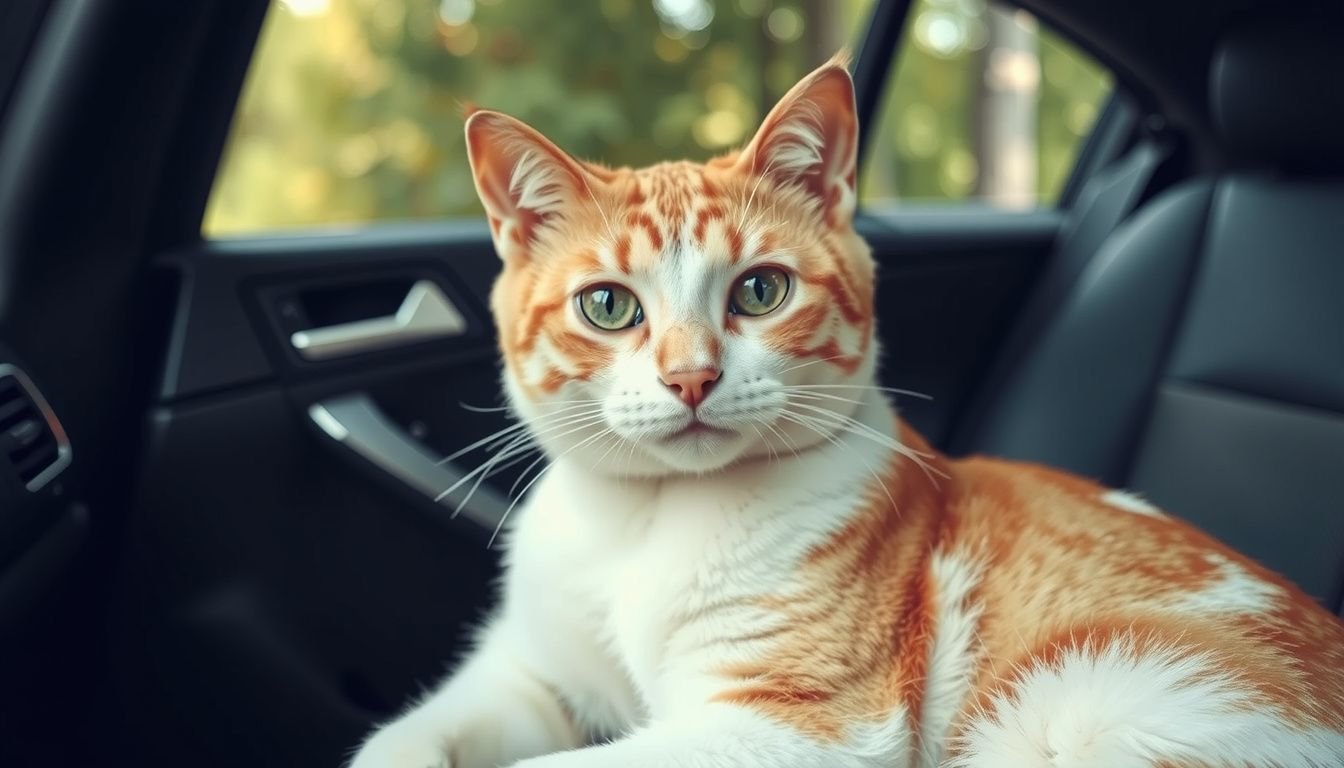
If you’re searching for how to get cat pee out of car seat, you’re not alone. Cat urine is notoriously stubborn, quickly soaking into car upholstery and leaving both stains and an unmistakable odor. The good news?
With the right approach, you can restore your car seat to a fresh, clean state. This guide walks you through the critical steps—what supplies you need, how to act fast, and how to tackle even set-in smells. You’ll also learn how to prevent repeat accidents.
Imagine hopping into your car and breathing easy again—no lingering reminders of feline mischief. Let’s get you there, step by actionable step.
Gather Essential Supplies Before You Start
Before diving in, round up everything you’ll need. Acting quickly is important, so it helps to have your tools ready:
- Clean, absorbent towels or paper towels
- Disposable gloves
- Enzymatic cleaner (pet-specific, non-toxic)
- Baking soda
- Spray bottle with clean water
- Soft-bristled brush or old toothbrush
- Wet/dry vacuum (optional, but ideal)
- Portable fan or hair dryer
If you’re missing an enzymatic cleaner, white vinegar diluted with water (50/50) can work in a pinch. Pro tip: Keep a car cleaning kit handy if you’re a frequent pet transporter. It’ll save you frustration down the road.
Blot and Absorb Fresh Cat Urine Immediately
Speed is your ally here. As soon as you notice the accident, put on gloves and start blotting. Press clean towels firmly onto the damp area—don’t rub, as that spreads the urine deeper.
Replace towels as they become saturated. Your goal is to soak up as much liquid as possible before it sets. If you have a wet/dry vacuum, use it on the lowest setting for extra absorption power.
The faster you act, the less likely the stain and odor will become permanent. Don’t skip this step, even for small spots.
Remove Seat Covers and Prepare the Area
If your car seat has removable covers, take them off carefully. This lets you treat both the fabric and the foam underneath, where urine often seeps. For non-removable seats, fold back seams or gently lift edges to get better access.
Ventilate the car by opening windows or doors. If possible, move the seat forward or backward to expose the affected area fully. Keep pets away while cleaning.
A well-prepared workspace makes every following step more effective.
Apply an Effective Cleaning Solution
Enzymatic cleaners are your best bet—they break down the uric acid crystals in cat urine that cause persistent odor. Generously spray the affected area, saturating both the surface and underlying foam if possible. Let the cleaner sit for 10–15 minutes (or as directed on the label).
For DIY, mix equal parts white vinegar and water, apply, and let it soak in. Avoid harsh chemicals or ammonia-based products; these can set the stain or worsen the smell. Don’t skimp—the cleaning solution must reach all urine traces to work.
Scrub and Rinse the Affected Spot Carefully
After letting the cleaner work, gently scrub the area with a soft-bristled brush. Use small, circular motions to lift residue from fabric fibers. If you used vinegar, rinse by spraying with clean water and blotting with a fresh towel.
Remove as much moisture as you can—again, a wet/dry vacuum excels here. Be thorough but gentle. Over-saturating or aggressive scrubbing can damage upholstery.
Repeat the process if the smell persists or if discoloration remains.
Deodorize to Eliminate Lingering Odors
Once the spot is clean, sprinkle a generous layer of baking soda over the damp area. Baking soda naturally absorbs odors left behind after cleaning. Let it sit for several hours, or overnight if possible.
Then, vacuum it away thoroughly. If there’s still a faint smell, repeat the process or use a pet-safe odor neutralizing spray. This step is crucial for restoring a fresh scent—don’t rely on air fresheners to mask the odor.
Dry the Car Seat Thoroughly for Best Results
Proper drying prevents mold and stops odors from reappearing. Open windows or doors to increase airflow. Aim a portable fan or hair dryer (on cool setting) at the cleaned area.
If you removed seat covers, allow both covers and cushions to dry completely before reassembling. Don’t rush this step—moisture trapped inside seats can lead to bigger issues. A real-world example: One reader found lingering odor weeks later because they skipped thorough drying—don’t make that mistake.
Prevent Future Cat Accidents in Your Vehicle
Now’s the time to keep your car cat-pee free. Transport cats in secure, leak-proof carriers lined with absorbent pads. Clean carriers regularly—residual odors can encourage repeat accidents.
Consider pheromone sprays or cat calming solutions for anxious travelers. If accidents are frequent, consult your vet to rule out medical issues. Always keep an emergency clean-up kit in your trunk.
Proactive steps make future cleanups much easier—and keep your car smelling fresh.
Frequently Asked Questions
How do I remove old, dried cat urine stains from car seats?
Use an enzymatic cleaner, saturate the area, and let it soak for at least 15 minutes. Gently scrub, rinse, and repeat if needed. Older stains might need two or three treatments.
Can I use household cleaners instead of pet-specific products?
Pet-specific enzymatic cleaners are best. Avoid ammonia-based products, which can worsen odors and encourage repeat marking. A vinegar-water mix is a safe DIY option in a pinch.
Will baking soda alone remove the smell of cat pee?
Baking soda absorbs some odor but won’t neutralize uric acid crystals. Always use enzymatic cleaner first, then follow up with baking soda for best results.
What if the smell comes back after cleaning?
Repeat the enzymatic cleaning process, ensuring you saturate both fabric and foam. Persistent odors usually mean urine residue remains deep in the seat material.
Start Here
Don’t let cat accidents ruin your ride. Gather your supplies, act fast, and follow these steps for a truly clean, odor-free car seat. Remember, enzymatic cleaners and thorough drying make all the difference.
Keep a kit handy and use leak-proof carriers for future trips. With a little effort, you’ll reclaim your car’s freshness and peace of mind—no matter how many feline passengers you have.