
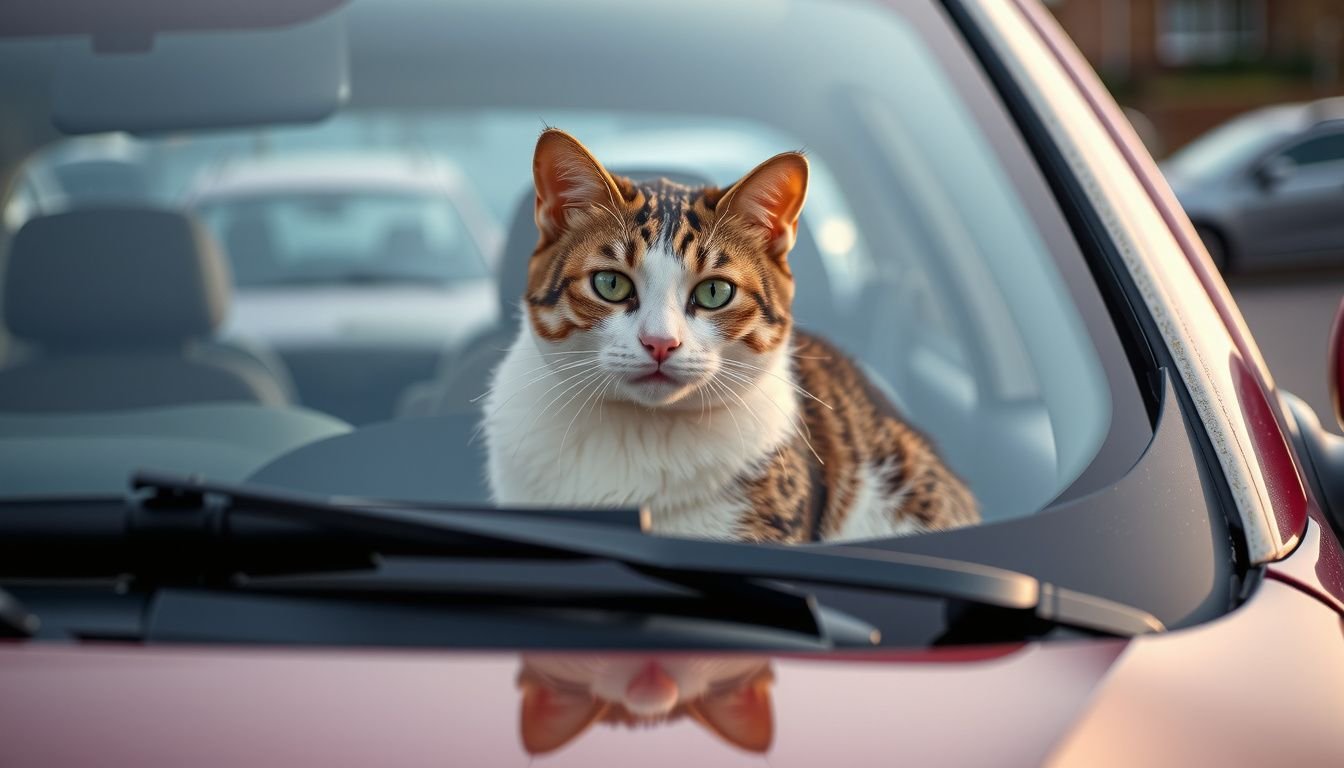
Wondering “what is cats on a car”? In simple terms, it’s when neighborhood or stray cats use your car as a lounging spot—perched on the hood, roof, or trunk. For some, it’s cute.
For many car owners, it’s a nuisance that leaves paw prints, scratches, and fur behind. You’re not alone if you’ve spotted a furry feline sunbathing on your vehicle just as you’re rushing out the door. This situation raises real questions: Why do cats do this, what risks are involved, and how can you keep your car safe without harming the cats?
Let’s break down exactly what’s happening and what you can do about it.
What Is Cats on a Car? A Quick Explanation
“Cats on a car” refers to cats—either stray, feral, or pets—climbing onto vehicles and using them as resting places. The most common spots you’ll find paw prints are the hood, roof, and windshield. Sometimes, they’re simply napping; other times, they’re seeking warmth or a higher vantage point.
This isn’t just a one-off curiosity. In urban and suburban environments, it’s a regular occurrence. Imagine this: You park your car in your driveway overnight, and in the morning, you find a tabby curled up on the warm hood, leaving behind a mess of fur and faint scratches.
That’s a real-world example most car owners can relate to.
The phrase “cats on a car” is also used online in memes and photos, but for you, it’s a real maintenance headache—and one that needs a practical solution.
Why Do Cats Like to Sit on Your Car?
Cats are drawn to cars for a few main reasons. First, the residual warmth of a recently parked vehicle is irresistible—especially in colder months. Hoods and roofs hold heat, providing a cozy surface for a cat’s nap.
Second, cars offer a high vantage point. From there, cats can survey their territory, avoid potential threats, or simply watch the world go by. This sense of security is a big motivator for outdoor cats.
- Warmth: Recently driven cars are a feline favorite in chilly weather.
- Height: Elevated spots help cats feel safe and in control.
- Curiosity: New smells and sights on your vehicle attract adventurous cats.
Ultimately, your car becomes the perfect blend of comfort and safety for neighborhood cats—whether you want it or not.
Potential Risks to Your Car from Cats
Having cats on your car isn’t just a minor annoyance. It can cause real, lasting damage. Cat claws—while not intentionally destructive—can scratch your paint, especially as cats leap on or off the car.
Other risks include:
- Paw prints and dirt: Cats track mud, grease, and grime onto your paintwork.
- Fur and dander: These can stick to your windshield and paint, making cleaning tougher.
- Allergic reactions: If you’re sensitive to cat dander, this can become a problem during cleaning.
In some cases, if a cat feels threatened, it might spray urine, leaving a tough-to-remove odor. Sunbathing cats can even dent thin metal panels if they’re heavy enough or if multiple cats gather at once. Over time, these issues can affect your car’s resale value and curb appeal.
How to Prevent Cats from Climbing on Your Car
Stopping cats from perching on your car takes a mix of strategy and consistency. Start with simple physical barriers. A fitted car cover is one of the easiest ways to make your vehicle less appealing—cats dislike the slippery texture and it protects your paint from scratches.
Other practical steps include:
- Change your parking spot: If possible, park inside a garage or in a spot less accessible to cats.
- Use motion-activated deterrents: Devices that emit a harmless burst of air or sound can startle cats away.
- Remove nearby attractants: Don’t leave food or trash near your car, as this draws cats in.
One owner shared that simply parking under a motion-activated light cut down on visits by neighborhood cats—proof that small changes can make a big difference.
Safe and Humane Ways to Deter Cats
Your goal is to keep cats off your car without causing harm. Humane deterrents are both effective and respectful. Citrus scents are a classic—cats dislike the smell of oranges or lemons, so placing citrus peels near your parking spot can help.
Consider these options:
- Commercial cat repellents: Sprays made with natural oils are widely available and easy to use.
- Ultrasonic deterrents: These devices emit sounds unpleasant to cats but inaudible to most people.
- Physical barriers: Place a non-slip mat with a bumpy texture on your hood; cats dislike walking on uneven surfaces.
Never use harmful methods like poison or traps—local animal control can help if feral cats are a recurring issue. Humane solutions protect both your car and the neighborhood’s pets.
What Readers Ask
How do I remove cat scratches from my car?
Use a dedicated scratch remover or rubbing compound for minor scratches. Deeper scratches may need professional repainting. Always clean and dry the area first for best results.
Will a car cover really keep cats off?
Yes, most cats dislike the texture of car covers. They also protect your paint from claws and dirt. Choose a snug, waterproof cover for best results.
Are there scents that keep cats away?
Cats dislike citrus, eucalyptus, and lavender. Use natural sprays or scatter citrus peels around your parking area. Avoid essential oils directly on your car’s paint.
In Brief
“Cats on a car” is more than just a quirky photo op—it’s a real issue that can impact your car’s appearance and value. Cats seek warmth, safety, and comfort; your vehicle checks all those boxes. Thankfully, you can deter them humanely with covers, scents, and clever deterrents.
Try a few strategies to find what works best for your situation. You’ll keep both your car—and your neighborhood’s cats—safe and happy.