
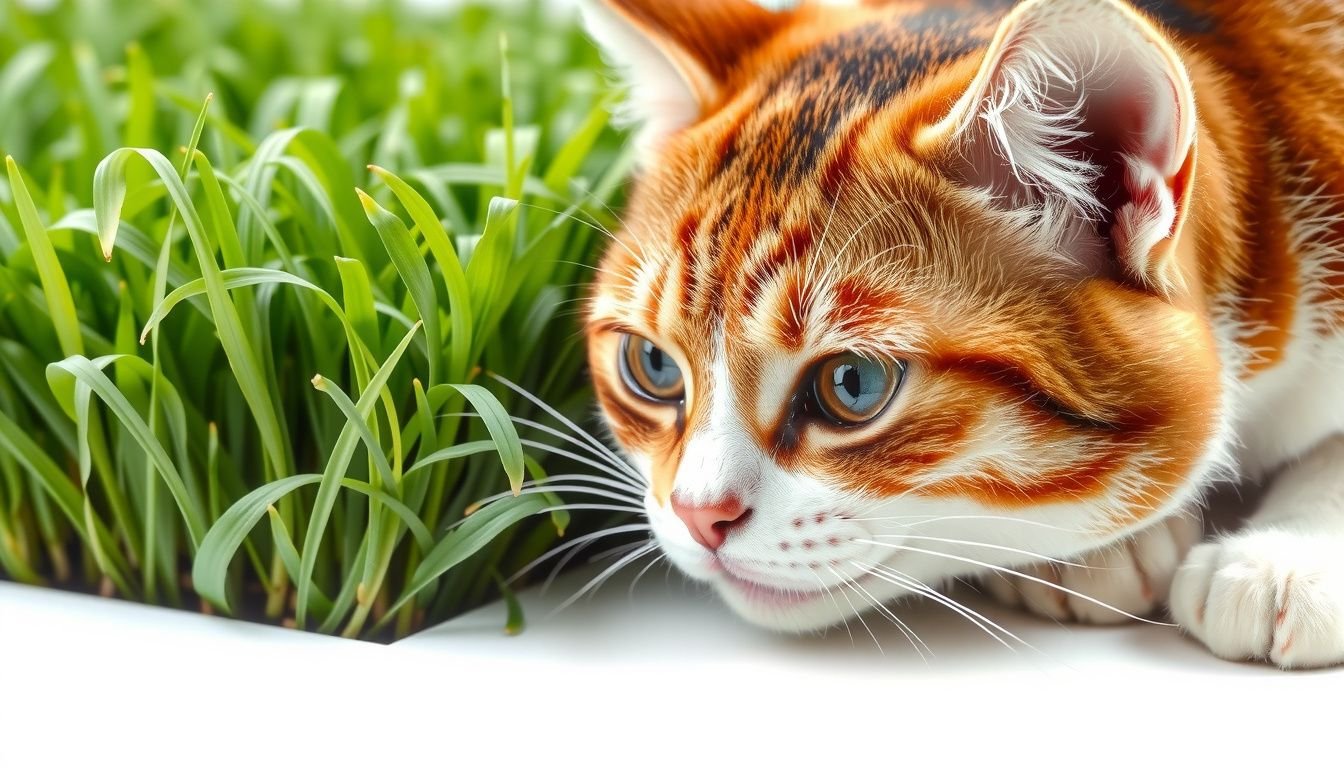
If you’re wondering how to care for cat grass so your cat enjoys lush, safe greens year-round, you’re in the right place. Cat grass is more than a decorative touch—it helps cats digest fur, provides nutrients, and satisfies their natural urge to graze. Growing and maintaining cat grass is straightforward, but a few missteps can lead to limp, yellowing blades or moldy soil.
You’ll need the right supplies, a bit of know-how, and a routine. Whether you’re starting seeds indoors or keeping a store-bought pot alive, this guide will walk you through every step, ensuring healthy, thriving cat grass for your feline. Let’s get your cat snacking on fresh, vibrant greens in no time.
Gather Supplies and Prepare Your Planting Area
Start by assembling everything you’ll need. Prepping your workspace now prevents frustration later—and keeps mess to a minimum.
- Seeds: Cat grass seeds (typically wheat, barley, oat, or rye).
- Container: Shallow pot or tray, at least 2 inches deep, with drainage holes.
- Soil: Sterile, all-purpose potting mix (avoid garden soil).
- Water: Clean, room-temperature water.
- Location: A sunny windowsill or well-lit area out of reach from curious paws until sprouts appear.
Lay down newspaper or a mat to catch stray soil or water. If you’re worried about leaks, place a saucer under the container.
Pro tip: Keep a spray bottle handy for gentle watering and to avoid displacing seeds.
Select Quality Cat Grass Seeds and Soil
The right seeds and soil make all the difference for healthy, resilient cat grass. Look for seeds labeled specifically for pets, as these are free from harmful treatments or pesticides.
- Choose reputable brands for seeds—cheap, bulk seeds can have poor germination or be contaminated.
- Use a lightweight, sterile potting mix for rapid drainage and reduced mold risk.
- Avoid soils with added fertilizers; cats may ingest chemicals while chewing the grass.
For a real-world example: Jane selected organic wheatgrass seeds and potting mix from a pet store, skipping “lawn grass” from the hardware aisle. Her cat’s grass sprouted in days—fresh, safe, and fast-growing.
Common mistake: Using soil from your garden. This often brings mold, pests, or weed seeds indoors.
Plant Your Cat Grass Properly
Now it’s time to plant. Follow these steps for best results:
- Fill your container with 1.5–2 inches of moistened potting mix. Gently pat flat, but don’t compact it too much.
- Scatter seeds evenly, covering the soil surface densely. Overlapping is fine—cat grass thrives in thick clusters.
- Lightly cover seeds with a thin layer (about 1/8 inch) of additional soil or just press them into the surface.
- Mist the top with water until damp but not soggy.
Cover the container loosely with plastic wrap or a clear lid to retain moisture until you see sprouting (usually in 2–4 days).
Tip: Label your container with the sowing date to track freshness cycles.
Water and Position Your Cat Grass for Optimal Growth
Consistent moisture and good light are the foundation of healthy cat grass. Here’s how you do it:
- Remove the cover once sprouts appear (usually 2–4 days).
- Move the container to a bright spot—ideally with indirect sunlight.
- Keep soil moist but never soggy. Water lightly every 1–2 days, using a spray bottle or gentle stream.
- Rotate the container to prevent grass from leaning toward the light.
Watch out for signs of overwatering like soggy soil or mold. If you see yellowing blades, the grass may need more sunlight.
Pro tip: If you have multiple cats, consider planting two containers so you always have a fresh pot available.
Monitor Growth and Address Common Issues
Expect cat grass to reach 4–6 inches in about 7–10 days. During this time, stay observant:
- Mold: White fuzz on soil? Reduce watering, improve airflow, and remove affected areas.
- Wilting/Yellowing: Usually from underwatering or insufficient light. Adjust care as needed.
- Gnats: Let the top layer of soil dry slightly between waterings to deter pests.
Check for strong, upright blades and a fresh scent—these are signs of healthy cat grass.
Once the grass reaches full height, it’s ready for your cat. Place the pot where your cat can access it, but monitor early munching to prevent overindulgence.
Harvest and Maintain Fresh Cat Grass for Your Cat
To keep your grass lush and edible:
- Let your cat nibble freely, but replace the container if the grass becomes trampled or yellow.
- Trim grass with scissors to maintain height (around 3–5 inches), which encourages regrowth and prevents matting.
- Water as before and remove any brown or slimy blades promptly.
For a continuous supply, stagger planting every 2–3 weeks. This rotation means you’ll always have a fresh pot ready, even as older grass wanes.
Example: If your cat is a heavy grazer, start a new batch each week. This ensures no downtime between crops.
Troubleshoot and Revitalize Struggling Cat Grass
Problems happen—even with the best care. Here’s how to recover your grass:
- Moldy soil: Discard affected soil and seeds. Wash the container with soap and hot water, then replant with fresh mix.
- Poor sprouting: Check seed expiration and avoid overcrowding. Try soaking seeds for 6–8 hours before planting for better results.
- Grass not regrowing: After several trims or heavy grazing, roots weaken. Replace soil and start anew.
Remember, even the healthiest cat grass lasts only 2–3 weeks. Proactive rotation is your best long-term solution.
Quick Answers
How long does cat grass last after planting?
Typically, cat grass stays fresh and edible for 2–3 weeks. After this, blades yellow and growth slows. Start a new batch regularly for best results.
Is it safe for cats to eat cat grass every day?
Yes, daily nibbling is safe. Cat grass is non-toxic and provides fiber. Just monitor for overindulgence or digestive upset.
What’s the best way to prevent mold in cat grass?
Use sterile potting mix, avoid overwatering, and ensure proper airflow. Remove plastic covers once sprouts emerge to reduce humidity.
Your Action Plan
Now you know how to care for cat grass like a pro. Set up your supplies, choose pet-safe seeds, and follow the planting steps for a vibrant patch your cat will love. Monitor daily for moisture and trim as needed.
If problems arise—like mold or slow growth—act quickly to refresh or replant. For a never-ending supply, stagger containers every few weeks. Your cat’s next snack is just a few days away.
Ready to start? Gather your materials and get growing today.