
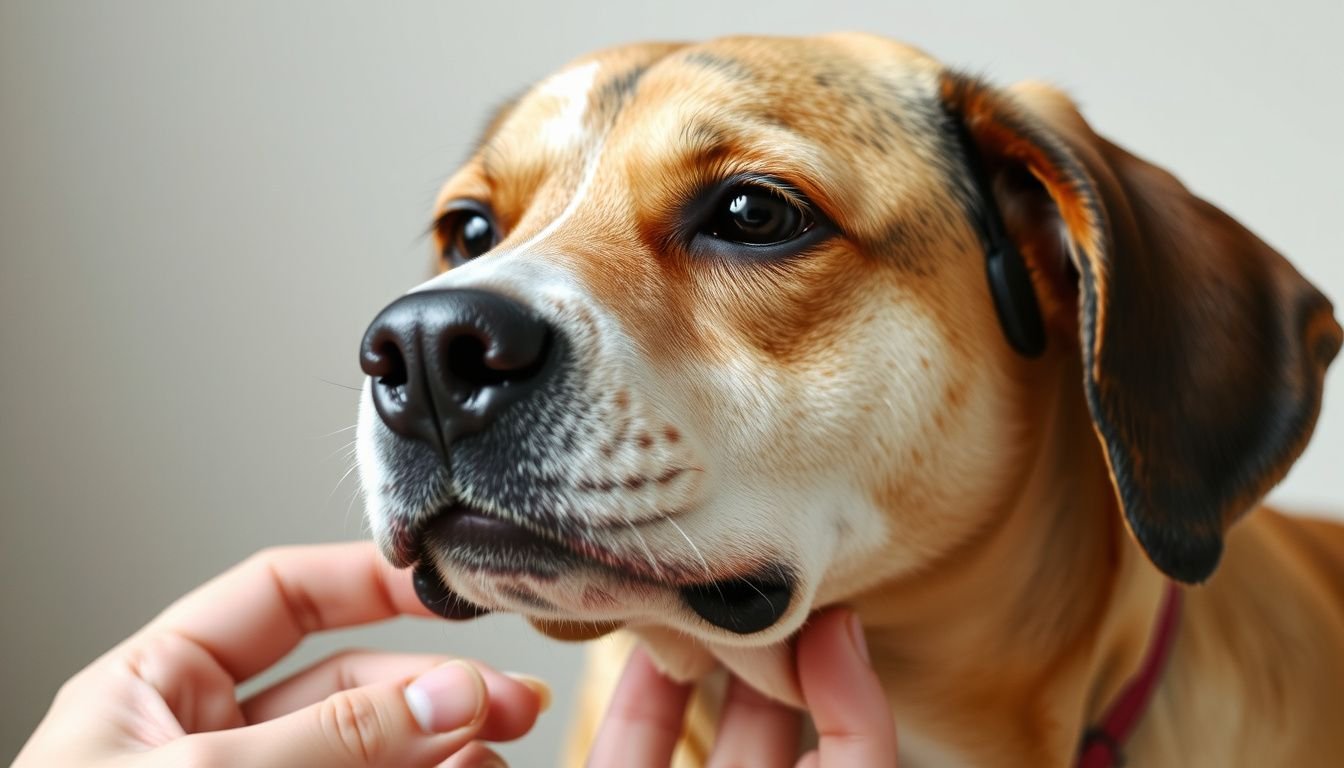
Learning how to care for an open wound on a dog is crucial for your pet’s health and comfort. When your dog gets injured, proper first aid can prevent infection, minimize complications, and speed up healing. This step-by-step guide walks you through exactly what you need to do, from gathering supplies to knowing when it’s time to call your vet.
Whether it’s a minor scrape from running through the woods or a deeper cut from rough play at the park, you’ll be equipped to handle it. Look, dogs are curious and accidents happen—being prepared can make all the difference. You’ll find actionable steps, tips to avoid common mistakes, and a practical example for clarity.
Let’s get your pup on the road to recovery safely and quickly.
Gather Essential Supplies Before Treating the Wound
Before you even approach your dog, make sure you have all the necessary materials on hand. This avoids unnecessary delays and minimizes stress for both of you. Here’s what you’ll need:
- Sterile saline solution or clean water
- Non-stick gauze pads
- Self-adhesive bandage or medical tape
- Antibacterial ointment (vet-approved)
- Disposable gloves
- Scissors (preferably blunt-tipped)
- Clean towels
- Muzzle (if needed for safety)
Pro tip: Assemble a small pet first aid kit and keep it somewhere accessible. That way, you’re never scrambling in an emergency.
Don’t forget your own safety—gloves protect you and your pet from infection. If your dog is bleeding heavily or the wound is deep, skip ahead and call your vet immediately.
Safely Restrain Your Dog to Prevent Further Injury
Even the gentlest dog may react unpredictably when in pain. Prevent additional injury by safely restraining your pet before you start any treatment. You can:
- Ask someone to help hold your dog still
- Use a leash to gently control movement
- Consider a muzzle if your dog is scared or snappy
Keep your movements calm and steady. Speak in a soothing voice to reassure your dog. Never force restraint—if your dog becomes extremely agitated, pause and try to calm them down or seek professional help.
Example: If your dog cut their paw on a hike, have a friend gently cradle their body while you focus on the wound. This keeps everyone safe and makes treatment faster and less stressful.
Gently Clean the Wound and Surrounding Area
Cleaning is vital to prevent infection. First, trim away any hair around the wound using blunt-tipped scissors. Be gentle to avoid causing further pain or damaging the tissue.
- Rinse the wound thoroughly with sterile saline solution or clean, lukewarm water. Avoid using hydrogen peroxide or alcohol—they can damage healthy tissue and delay healing.
- Pat the area dry with a clean towel or gauze pad.
- Remove any debris, such as dirt or grass, with tweezers sterilized in boiling water.
Common mistake: Skipping the cleaning step or using harsh chemicals. Always use solutions safe for pets.
Repeat gentle cleaning daily until the wound closes or as advised by your veterinarian.
Apply Medication and Dress the Wound Properly
Once the wound is clean, apply a thin layer of vet-approved antibacterial ointment. Don’t use human ointments unless your vet says it’s safe—they may contain ingredients harmful to dogs.
- Cover the wound with a non-stick gauze pad.
- Secure it with a self-adhesive bandage, wrapping snugly but not too tight. You should be able to slip two fingers under the bandage easily.
- Change the bandage daily or whenever it gets wet or dirty.
Pro tip: If the wound is on a paw, consider using a protective bootie when your dog goes outside.
Never leave a bandage on for more than 24 hours without checking it. Too-tight wrapping can cut off circulation, while a loose bandage won’t protect the wound.
Monitor for Signs of Infection or Complications
Watch your dog closely over the next few days. Early detection of problems can prevent serious health issues. Look for:
- Redness, swelling, or heat around the wound
- Pus or foul-smelling discharge
- Excessive licking or biting at the wound
- Lethargy, loss of appetite, or fever
If you spot any of these signs, remove the bandage and call your veterinarian right away. Infections can worsen rapidly in dogs.
Keep a daily wound log—note any changes in appearance or your dog’s behavior. This information helps your vet decide if further treatment is needed.
Support Healing and Know When to Contact Your Veterinarian
Encourage a calm environment to promote healing. Prevent your dog from licking or chewing the wound by using an Elizabethan collar (cone) if necessary. Ensure your dog:
- Gets plenty of rest
- Stays hydrated
- Eats a balanced diet to support immune function
Contact your vet if:
- The wound is large, deep, or won’t stop bleeding
- You see signs of infection
- Your dog seems unusually distressed or unwell
Don’t wait—timely intervention can be life-saving. If the wound isn’t improving after 2–3 days, make a vet appointment. Sometimes, even minor wounds need professional care.
Your Action Plan
You now know exactly how to care for an open wound on a dog: gather supplies, restrain your pet, clean the wound, apply medication, dress properly, and monitor for infection. Keep your pet’s first aid kit stocked and stay observant during recovery. If anything seems off, call your vet promptly—their expertise can stop small problems from becoming big ones.
Your quick action will help your dog heal faster and more comfortably. Remember, being prepared turns a stressful injury into a manageable situation for both you and your furry friend.
Related read: How to Care for an Outdoor Cat: Step-by-Step Routine