
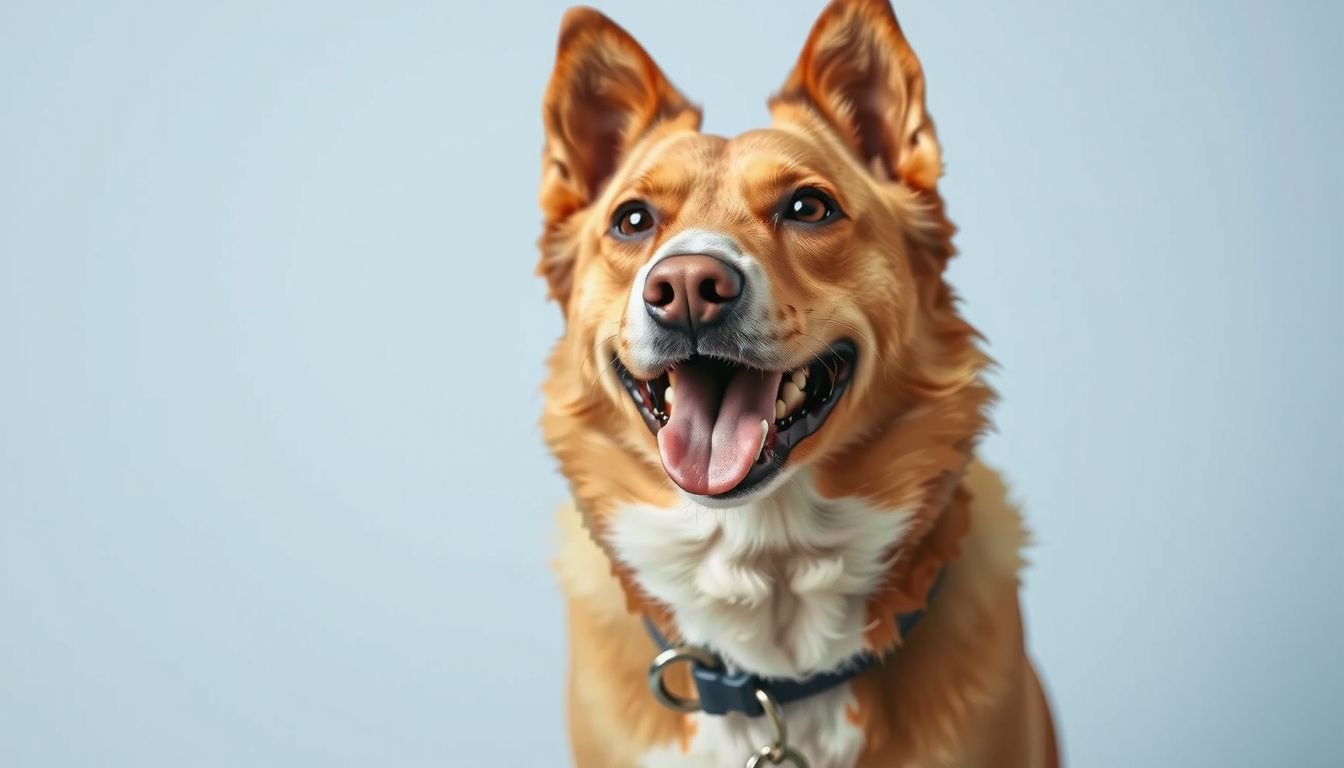
When I first searched for advice on how to take care of dogs teeth, I felt overwhelmed by all the options. But, after trial and error with my own pup, I realized it boils down to a few simple habits. Healthy dog teeth prevent bad breath, gum disease, and even heart problems.
You don’t need to be a vet to make a real difference—just a few minutes a week can save your dog from pain (and you from big vet bills). I’ll walk you through the essentials, share my go-to tools, and show you exactly what works in my home. Ready to help your dog smile wider?
Let’s jump in.
Gather Essential Supplies Before You Start
Before you lift your dog’s lip, have everything you’ll need nearby. This reduces stress for both of you and keeps the session short and sweet. Here’s what I always gather:
- Dog-specific toothbrush or finger brush
- Pet-safe toothpaste (never use human toothpaste!)
- Dental chews or treats
- Clean towel (for any messes or drool)
- Your dog’s favorite toy or reward
I keep my supplies in a small basket by the treat jar, so I never have to hunt for them. A little prep helps my dog know what’s coming, and we both stay calm.
Introduce Tooth Care Early and Gently
If your dog is a puppy, start now! With adult rescues, go slow. The goal is to make tooth care feel normal.
I began by letting my dog sniff and lick the toothbrush. The first week, I just touched her muzzle and gums with my finger. Treats after every step helped her relax.
Gradually, I worked up to gently lifting her lips and brushing a single tooth. Short sessions—less than a minute—kept her from getting squirmy. If your dog is nervous, back up a step and try again later.
Consistency and patience are your best friends here.
Choose the Right Dog Toothbrush and Toothpaste
Not all dental products are created equal. I’ve tried soft-bristled brushes, rubber finger brushes, and even silicone thimble-style cleaners. For small dogs or those who hate brushes, a finger brush usually works best.
For bigger breeds, a long-handled brush helps reach the back molars.
Most important: only use toothpaste made for dogs. Human toothpaste can be toxic. I like chicken or peanut butter flavors—my dog thinks she’s getting a treat.
Here’s a quick comparison to help you pick:
| Tool | Best For | Pro Tip |
|---|---|---|
| Finger Brush | Small breeds, anxious dogs | Great control, gentle on gums |
| Long-Handled Brush | Medium/large breeds | Reaches back teeth easily |
Brush My Dog’s Teeth the Easy Way
Here’s my simple method for stress-free brushing:
- Pick a quiet spot with good light.
- Let your dog lick some toothpaste—make it fun!
- Gently lift the lip and brush in small, circular motions. Focus on the outer surfaces.
- Keep sessions under two minutes, and praise often.
Some days, I only manage a few teeth—that’s still progress. Once, I turned brushing into a game by singing while I worked; my dog relaxed completely. Don’t worry if you can’t brush daily—aim for at least three times a week.
Incorporate Dental Chews and Toys
Chewing is a dog’s natural way to clean teeth. Dental chews and toys scrape away plaque and keep breath fresher between brushings. I rotate between:
- VOHC-approved dental chews
- Rubber toys with ridges
- Rawhide alternatives (like yak chews or dental bones)
Always supervise, especially if your dog is an enthusiastic chewer. I’ve found that letting my dog chew after dinner keeps her occupied and helps clean what I missed with the brush.
Feed a Diet That Supports Oral Health
Diet matters more than you might think. Kibble tends to scrape teeth more than wet food, but not all dry foods are created equal. Look for brands that promote dental health or use larger, crunchy kibble.
Some prescription diets specifically reduce tartar. Ask your vet if that’s right for your dog. I add crunchy veggies—like carrot sticks—as healthy snacks that gently help polish teeth.
Avoid giving sugary treats or table scraps, as they can speed up plaque buildup.
Watch for Signs of Dental Problems
Even with regular care, issues can pop up. Here’s what I watch for:
- Bad breath (beyond normal doggy odor)
- Red, swollen, or bleeding gums
- Difficulty chewing or dropping food
- Yellow or brown buildup on teeth
- Pawing at the mouth or excessive drooling
Once, my dog started refusing crunchy treats—turned out she had a sore molar. Acting early let the vet fix it before it got worse. Trust your instincts!
Schedule Regular Vet Dental Checkups
No home routine replaces professional care. I book a dental exam at least once a year. The vet checks for hidden problems and can do a deep clean if needed.
Older dogs or breeds prone to dental disease (like Yorkies or Dachshunds) might need more frequent visits.
Ask your vet to show you proper brushing technique, or get advice on the best products for your dog’s needs. Preventive care saves money—and spares your dog discomfort—down the road.
Start Here
Ready to get started? I recommend picking up a dog toothbrush and toothpaste today, then introducing them during your next cuddle session. Keep supplies handy, start slow, and don’t stress over perfection—progress is what matters.
Celebrate small wins and remember: every effort counts toward a healthier, happier pup. Your dog’s bright smile (and fresh breath) will thank you.