
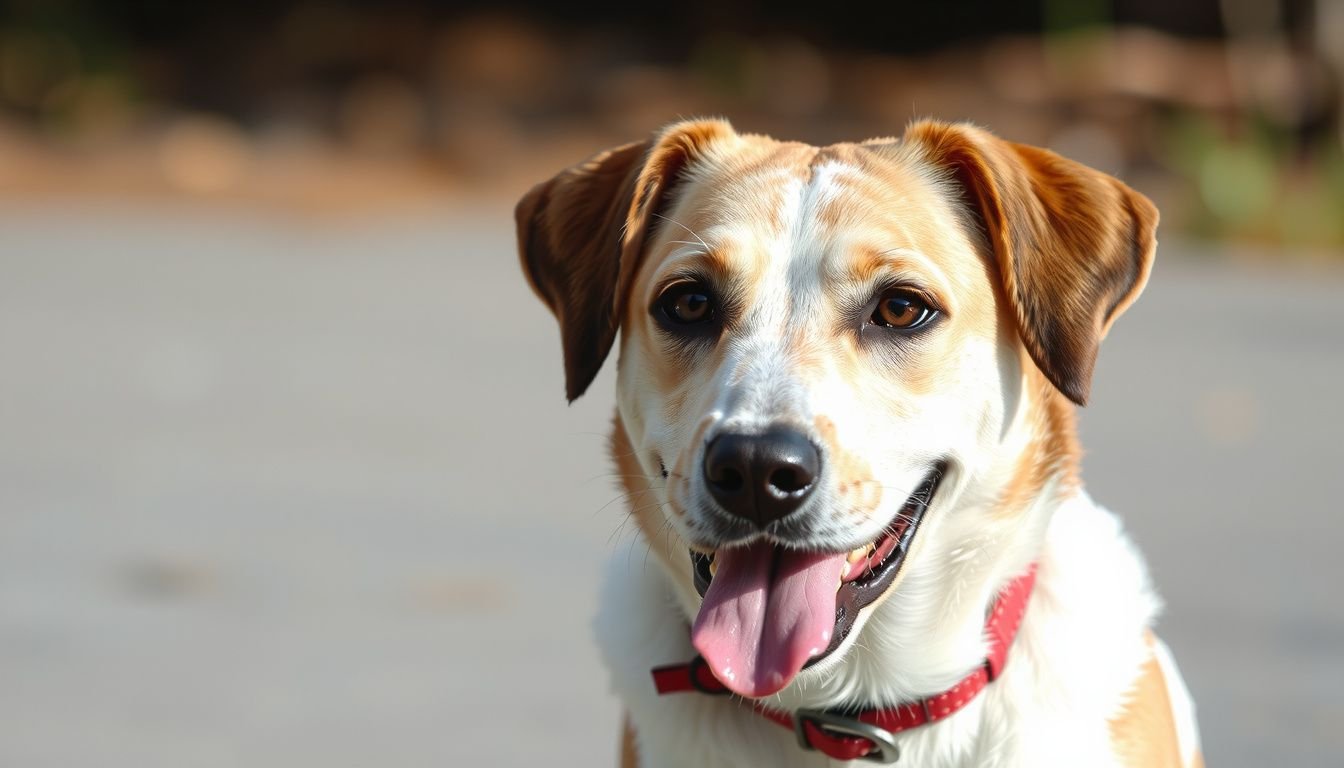
If you’re searching for how to care for a dog in heat, you’re likely feeling a mix of curiosity and concern. A female dog’s heat cycle can catch you off guard—suddenly your calm companion is more restless, leaving stains around the house, and attracting every nearby male dog. With the right approach, you can keep your dog comfortable, your home clean, and unwanted surprises at bay.
This step-by-step guide walks you through what to expect, how to prepare, and what you should do each day to ensure your dog’s well-being during her cycle. Whether you’re a first-time dog owner or seeking a refresher, you’ll find actionable advice here to handle every phase with confidence.
Prepare Your Home Before the Heat Cycle Begins
Preparation is half the battle. Before your dog’s heat cycle starts, get your living space ready to minimize stress and mess. Stock up on supplies like disposable or washable dog diapers, enzyme-based cleaners, and old towels or blankets for her favorite spots.
- Set up a designated resting area with easy-to-clean bedding.
- Block off rooms with carpets or sensitive flooring.
- Place washable covers on furniture if your dog is allowed on couches or beds.
Consider investing in baby gates to manage her movement and keep her away from entrances. If you live with other dogs, plan for safe separation, especially from unneutered males. A little prep now saves you daily headaches—and helps your dog feel secure in a familiar, tidy environment.
Recognize the Signs Your Dog Is in Heat
Catching the first signs early makes management far easier. Most female dogs go into heat twice a year, starting between 6 and 15 months old. Here’s what to watch for:
- Swollen vulva
- Bloody or pinkish vaginal discharge
- Increased licking of the genital area
- Behavior changes: restlessness, clinginess, or irritability
- Frequent urination
For example, you might notice your usually chill Labrador suddenly glued to your side and leaving small drops of blood on her bedding. Mark your calendar on the first day you see discharge—this helps you track her cycle for next time. Spotting these cues lets you act fast, keeping your dog comfortable and your home protected.
Manage Hygiene to Keep Your Dog and Home Clean
Hygiene is critical during the heat cycle. Use doggy diapers for indoor time to catch discharge and prevent stains on carpets or upholstery. Change diapers several times a day to prevent skin irritation and infection.
- Wipe your dog’s vulva gently with a damp cloth or pet-safe wipes at least twice daily.
- Wash her bedding and favorite blankets frequently—aim for every 2-3 days.
- Use enzyme cleaners to neutralize odors and remove stains from floors or furniture.
Don’t bathe your dog too often, as excessive washing can irritate her skin. Instead, focus on spot-cleaning. Keeping things clean reduces stress for both you and your pup.
Prevent Unwanted Mating During the Heat Cycle
Unplanned litters are stressful and risky. During heat, your dog will attract every intact male dog in the neighborhood—sometimes from surprising distances. Keep her securely indoors except for supervised potty breaks.
Walk her on a non-retractable leash, avoiding dog parks or high-traffic pet areas.
- Double-check fences and gates for gaps or weaknesses.
- Don’t leave her outside alone, even in a fenced yard.
- Ensure all household doors close tightly.
If you have an unneutered male dog at home, keep them separated at all times. Accidents can happen fast—a moment’s distraction is all it takes. Taking these steps protects your dog and avoids a host of complications.
Support Your Dog’s Emotional and Physical Needs
Heat cycles can make even the most relaxed dog anxious or irritable. Give her extra attention, but let her set the pace—some dogs crave comfort, others want space.
- Offer quiet, cozy spaces where she can retreat.
- Stick to regular feeding and exercise schedules for reassurance.
- Use interactive toys or gentle play to burn off nervous energy indoors.
If she seems restless at night, try calming aids like pheromone diffusers. Monitor her appetite—some dogs eat less during heat, but appetite should rebound within a day or two. Listen to her body language and adjust your routine accordingly.
Monitor for Health Issues and Know When to Call the Vet
Most dogs pass through heat without trouble, but you should watch for signs of complications. Call your vet if you notice:
- Heavy bleeding lasting more than 10 days
- Foul-smelling discharge
- Lethargy, fever, or loss of appetite
- Excessive panting or vomiting
These can signal infections like pyometra, which require urgent care. Pro tip: keep a simple heat cycle journal—note start and end dates, symptoms, and any unusual behavior. This info helps your vet if issues arise and makes future cycles easier to predict and manage.
Plan for Post-Heat Care and Future Cycles
Once bleeding stops, your dog’s heat cycle isn’t over—she can still attract males for several days. Maintain precautions for another week. Wash all bedding and sanitize areas where she spent time to prevent lingering odors.
- Schedule a vet checkup if you noticed any problems or if this was her first heat.
- Consider spaying if you don’t plan to breed—this prevents future cycles and serious health risks.
- Mark your calendar to anticipate her next cycle in about six months.
With each cycle, you’ll get better at predicting her needs. Staying proactive keeps your dog happy, healthy, and stress-free year-round.
Next Steps
Now that you know how to care for a dog in heat, gather supplies, set up your home, and stay observant for early signs. Track her cycle and respond to her changing needs, from extra cuddles to strict supervision outdoors. If you spot anything unusual, don’t hesitate to call your vet.
Finally, consider spaying as a long-term solution for health and convenience. With these steps, you’ll handle every cycle with less worry—and your dog will thank you for it.