
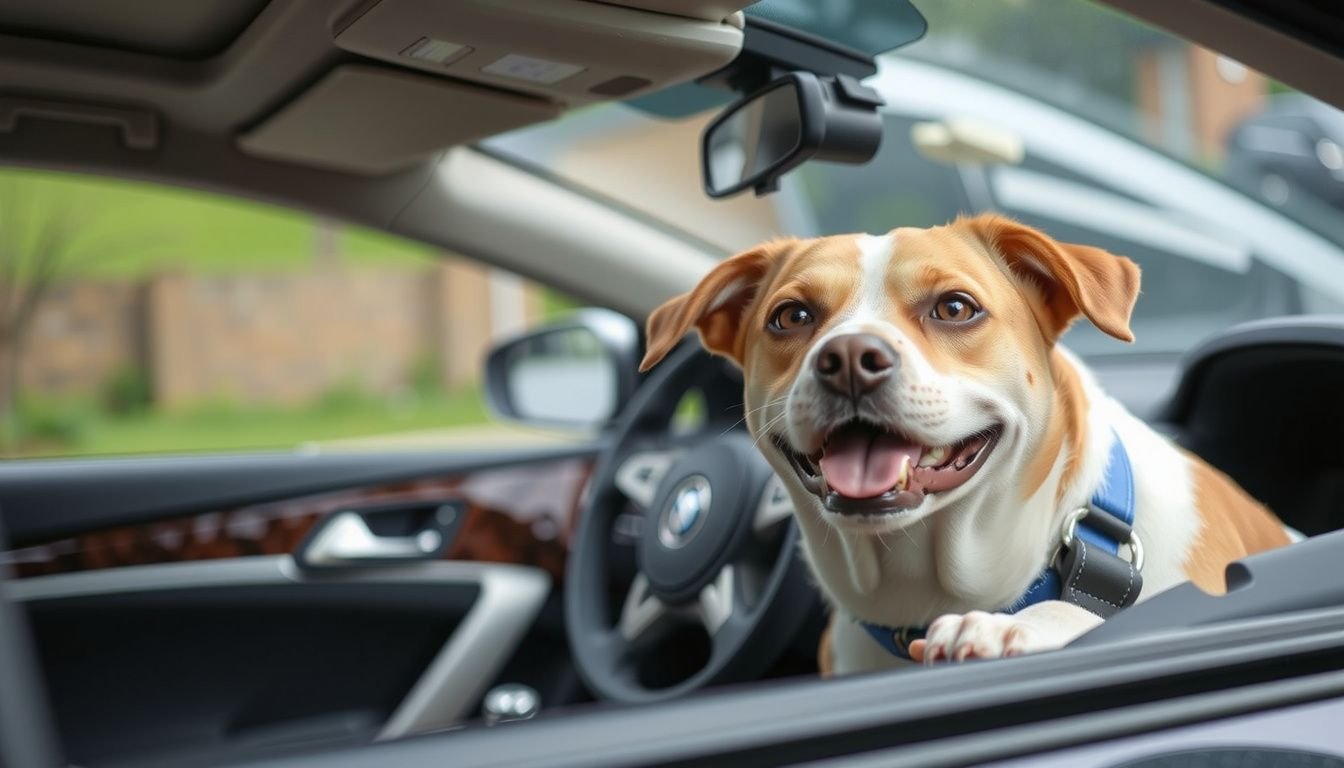
Many dog owners assume that their pet’s car sickness is just something they’ll grow out of or that it’s only caused by anxiety. That’s a common misconception. The truth is, car sickness in dogs can be triggered by a mix of motion, stress, unfamiliar sights, and even feeding schedules.
If you want to know how to prevent car sickness in dogs, you’ll need more than just hope and a steady hand on the wheel.
Look, prevention is possible—and it doesn’t require expensive medications or giving up travel with your dog altogether. By understanding the real causes and taking a few proactive steps, you can make road trips enjoyable for both of you.
For example, imagine you’re planning a family weekend getaway. Last time, your dog drooled, whined, and eventually got sick all over the back seat. Instead of dreading the drive, you can use proven strategies to help your dog relax, stay comfortable, and actually look forward to the ride.
In this guide, you’ll get step-by-step actions to address the root causes of car sickness and learn what works in real-life situations. Let’s make travel safer and happier for your best friend.
Understand the Causes of Car Sickness in Dogs
Before you can tackle how to prevent car sickness in dogs, you need to understand what’s actually causing your pet’s discomfort. Car sickness is more than just a simple reaction to movement. It’s a complex issue that can involve your dog’s sense of balance, anxiety, and even learned behaviors.
Puppies are especially susceptible because the part of the inner ear that helps control balance isn’t fully developed yet. But even adult dogs with fully developed senses can experience motion sickness if they’ve had negative travel experiences or if they’re naturally anxious in new environments.
Common physical causes include:
- Inner ear imbalance or underdevelopment (especially in puppies)
- Unfamiliar sights, sounds, and smells inside the car
- Sudden movements, stops, or turns
On the psychological side, your dog may associate car rides with stressful events like vet visits, which can make anxiety worse. Some dogs pant, drool, whine, or even vomit due to this stress.
Here’s a real-world example: If your dog only rides in the car to go to the vet, they may start associating the car with discomfort, leading to nausea every trip. Recognizing whether your dog’s reaction is physical, psychological, or both is the key to selecting the right prevention strategies.
Assess Your Dog’s Readiness for Car Travel
Now, you’ll want to figure out whether your dog is actually ready for a car journey. Not every dog will react the same way, so take a quick inventory before you head out. Assessing readiness involves observing your dog’s behavior and comfort level both before and during short trips.
Look for these signs of discomfort:
- Excessive drooling or licking lips
- Whining, barking, or restlessness
- Pacing in the back seat or trying to climb into your lap
- Refusing to get into the car
Start by taking your dog for a short ride around the block. Pay close attention to their body language. If they seem calm, gradually increase the duration of your trips.
But if you notice any of the signs above, it’s time to pause and rethink your approach.
Here’s a practical example: If your dog eagerly jumps into the car but starts drooling as soon as the engine starts, that’s a clear sign they aren’t quite ready for longer rides. By recognizing these early cues, you can avoid negative experiences and intervene before car sickness becomes a routine problem.
Prepare Your Car and Essentials Before the Trip
Let’s get practical: making your car dog-friendly is a crucial step if you want to learn how to prevent car sickness in dogs. The right setup can make all the difference in how your dog experiences travel. Start by cleaning your vehicle’s interior—dogs have sensitive noses, and leftover odors can trigger nausea.

Ventilation matters. Keep windows cracked or use air conditioning for steady airflow. Avoid strong air fresheners; their fragrances often worsen motion sickness.
Secure a comfortable, non-slip crate or a well-fitted harness. This keeps your dog stable and reduces anxiety from sliding or sudden stops.
Don’t forget the essentials:
- Absorbent seat covers or towels (for easy cleanup)
- Plenty of water and a portable dog bowl
- Favorite blanket or toy for familiarity
- Poo bags and wipes
- Ginger treats or recommended anti-nausea snacks
Here’s a real-world example: One owner noticed their spaniel’s symptoms dropped dramatically after switching to a crate lined with a favorite blanket and placing it in a shaded part of the car. They also scheduled frequent stops, and the difference was night and day.
Pack a small emergency kit with cleaning supplies. Trust me, you’ll be grateful if your dog gets sick mid-journey. Preparation now means less stress later—for both of you.
Introduce Your Dog to the Car Gradually
Jumping straight into a long drive is a recipe for disaster if your dog’s new to car travel. Instead, use a step-by-step approach that builds confidence and reduces anxiety, which is a major trigger for motion sickness.
Begin by letting your dog explore the car while it’s stationary. Open the doors and invite them inside with treats or toys, creating a positive association. Don’t start the engine yet.
Keep these sessions short and upbeat—five to ten minutes is plenty at first.
Once your dog seems relaxed, try turning on the engine without moving. Reward calm behavior. Gradually progress to short, slow drives around the block, always ending on a positive note.
Increase the duration as your dog gets comfortable.
- Stationary exploration with treats
- Engine on, but not moving
- Short drives—just a few minutes
- Gradually longer trips as comfort grows
For example, a client with a nervous rescue dog spent two weeks letting her pup eat breakfast in the parked car before ever taking a drive. By the time they started short trips, the dog was excited to hop in, and motion sickness symptoms never appeared.
Patience pays off. This gradual introduction not only minimizes your dog’s risk of car sickness but also builds trust between you and your pet.
Use Proven Techniques to Reduce Motion Sickness
Now that your dog’s familiar with the car, it’s time to actively tackle motion sickness. You’ll want a toolkit of reliable, science-backed techniques. Start with feeding: avoid giving your dog a full meal right before the drive.
A light snack two to three hours ahead can help—an empty or overly full stomach worsens nausea.
Optimize your dog’s position in the car. Place them in the back seat, facing forward. Secure them with a crash-tested harness or in a well-ventilated crate.
Dogs that can see out the window but aren’t bombarded by fast-moving scenery tend to fare better. Crack a window for fresh air, which helps equalize pressure and reduces that stuffy feeling that triggers sickness.

Try short, positive trips before tackling longer journeys. Bring a favorite toy or blanket. These comforts help soothe anxiety, which is a big contributor to car sickness.
For some dogs, a calming pheromone spray or anti-nausea chew—available from your vet—makes all the difference.
Real-world example: Sarah’s Border Collie, Max, always drooled on car rides. She started using a harness, kept the windows cracked, and rewarded him with praise and treats after each trip. Within weeks, Max stopped showing any signs of distress.
- Light meal before travel
- Secure, forward-facing seat or crate
- Fresh air and familiar items
- Gradual increase in trip length
- Vet-approved calming aids when needed
Monitor Progress and Adjust Your Approach
Once you’ve put strategies in place, pay close attention to your dog’s reactions. Look for signs such as drooling, panting, whining, or licking lips. If these symptoms decrease, you’re on the right path.
But if your dog still seems uncomfortable, it’s time to tweak your approach.
Document each car ride in a simple log. Record the length of the trip, your dog’s behavior, what techniques you used, and any signs of discomfort. This helps you spot patterns and determine what’s working—or what isn’t.
Be flexible. If one method isn’t effective, try another. For example, if a harness isn’t working, test a crate or different seating arrangement.
If over-the-counter remedies aren’t helping, consult your veterinarian for prescription medications or alternative therapies.
Practical example: Let’s say your dog still pants heavily even after several short trips. You could shorten the rides, add calming music, or even drive at different times of day to see if symptoms improve.
- Record each trip’s details and outcomes
- Adjust techniques based on behavior
- Consult your vet if signs persist
- Celebrate small improvements—progress is rarely instant
Remember, consistency and patience are key. Every dog responds differently, so stay observant and proactive as you help your pet enjoy car travel.
Next Steps
Now that you’ve learned practical strategies to prevent car sickness in dogs, you’re ready to set your pup up for smoother travels. The key is consistency: keep your approach patient, observant, and flexible as your dog adapts.
Here’s a real-world example: After gradually acclimating her anxious spaniel using short drives, Sarah noticed fewer symptoms and more excitement about car rides. She stuck to her routine—light meals, familiar bedding, and praise after each trip. With time, her dog now happily hops in the backseat for family outings.
Here’s what you should do next:
- Commit to a step-by-step acclimation schedule.
- Monitor your dog’s response after each drive, and document what works.
- Stay in touch with your veterinarian for ongoing support.
Take the first small drive this week. With patience and the right prep, you’ll help your dog enjoy travel—and open up a world of new adventures together.