
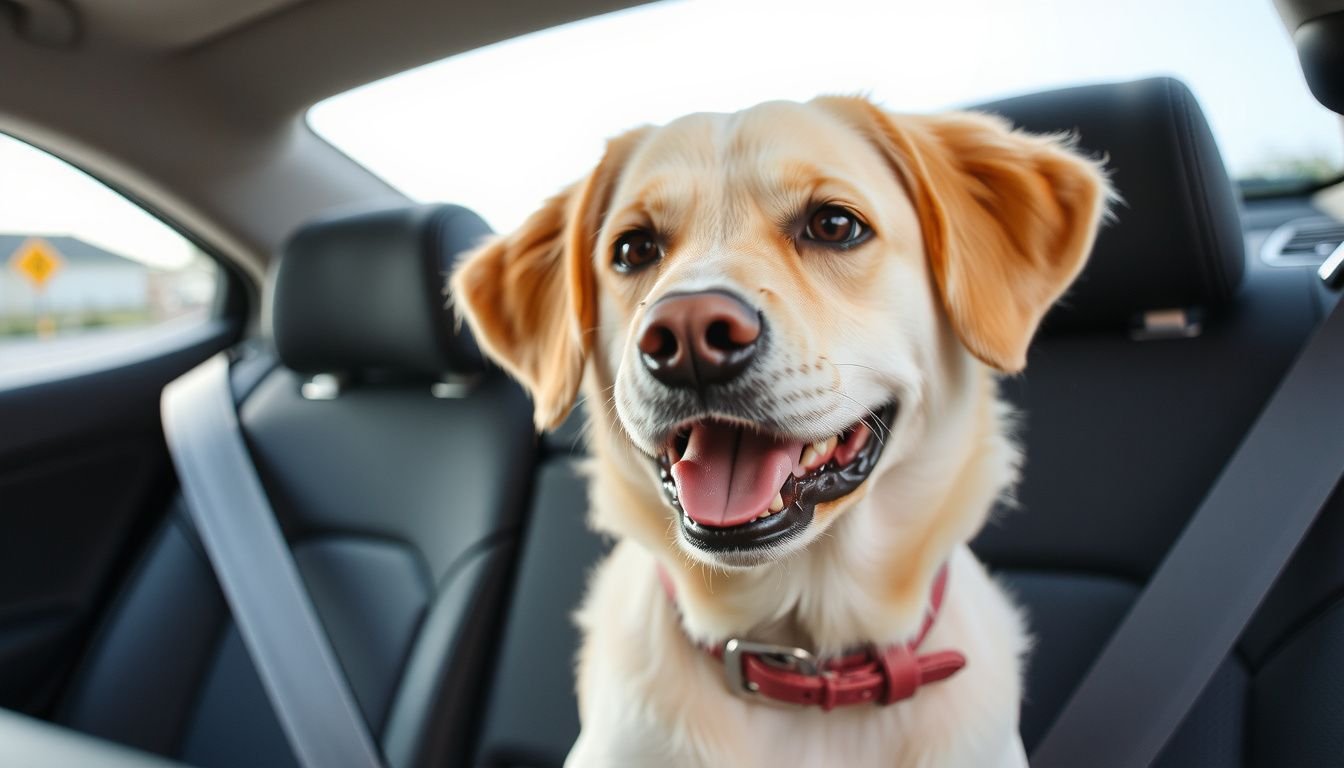
Ever found yourself asking, “Why does my dog whine in the car?” You’re not alone—countless dog owners share your frustration. Whether it’s a quick ride to the park or a longer road trip, that high-pitched whimper can turn a simple drive into a stressful ordeal.
Understanding your dog’s behavior in the car is crucial for both their comfort and your peace of mind. As someone who’s spent years helping pet owners ease travel anxiety, I can tell you there’s always a reason behind those canine complaints.
For example, imagine Lucy, a friendly golden retriever who starts whining as soon as the car starts moving. Her owner thought she just wanted attention, but it turned out Lucy was nervous about the unfamiliar sounds and movement.
Here, you’ll learn the most common causes behind this behavior, how to spot the signs, and realistic steps you can take to make travel more enjoyable for both you and your dog. Ready to discover what your pup is really trying to tell you?
Recognizing the Signs: What Your Dog’s Whining Means
Now that you’re tuned in to your dog’s car ride behavior, let’s look at what their whining actually signals. Dogs use vocalizations, including whining, as a way to express needs or discomfort. Paying close attention to context clues can help you decode these sounds.
Look for body language paired with whining. Signs like panting, pacing, or drooling often indicate anxiety or motion sickness. If your dog’s tail is tucked or their ears are pinned back, they may feel stress or fear.
Sometimes, whining is simply a request for attention or reassurance.
For example, if your dog starts whining as soon as you approach the parked car, they’re likely anticipating the ride, either with excitement or apprehension. Observing these patterns helps you respond appropriately and makes trips less stressful for both of you.
Common Reasons Dogs Whine During Car Rides
Understanding why does my dog whine in the car starts with pinpointing common causes. Most dogs whine for one or more clear reasons during car travel:
- Anxiety or Stress: Unfamiliar environments, noises, or past negative experiences can trigger nervous whining.
- Motion Sickness: Nausea from car movement is a major culprit, especially in puppies or dogs new to travel.
- Excitement: Some dogs associate car rides with adventures like walks or park visits and vocalize their anticipation.
- Need for Comfort: If your dog wants attention, they may whine hoping for soothing words or a gentle touch.
For instance, imagine your dog whines only when you drive to the vet but is calm on trips to the park. This pattern suggests stress linked to specific destinations, not the ride itself. Pinpointing the trigger is the first step to helping your dog feel safe in the car.
Anxiety and Stress: How Travel Affects Your Dog
Your dog’s whining may stem from anxiety and stress triggered by the unusual sights, sounds, and movements of a car ride. For many dogs, even the anticipation of a car trip can create unease—especially if previous journeys led to stressful events like vet visits or separation from you.
Look, dogs crave routine and familiar environments. The confined space, engine noise, and unpredictable stops can overstimulate their senses, leading to whining as a coping mechanism. Some dogs tremble, pant, or refuse to settle, signaling emotional discomfort.

For example, if your dog starts whining the moment you grab your car keys and continues throughout the ride, anxiety is likely the root cause. Try to observe whether your dog’s body language is tense or if he avoids eye contact—these are classic signs.
To help, you can gradually acclimate your dog to the car using positive reinforcement, short trips, and comfort items like a favorite blanket. Consistency and patience go a long way in reducing travel-related stress.
Motion Sickness: Could Your Dog Be Feeling Unwell?
Sometimes, the answer to “why does my dog whine in the car” is as simple as motion sickness. Just like people, dogs can experience nausea, dizziness, or stomach upset from the movement and vibrations of a car.
Puppies and younger dogs are especially prone to motion sickness because their inner ear structures (responsible for balance) aren’t fully developed. Signs include excessive drooling, lip licking, yawning, and—of course—persistent whining.
Consider a real-world scenario: Your dog whines, drools, and eventually vomits during longer drives but seems fine on short neighborhood trips. This pattern strongly suggests motion sickness rather than anxiety.
To minimize discomfort, avoid feeding your dog right before travel, keep the car cool and well-ventilated, and try positioning your dog to face forward. If symptoms persist, consult your veterinarian about safe remedies or medications tailored for canine motion sickness.
Excitement or Anticipation: Positive Causes of Whining
Not all whining signals distress—sometimes, it’s pure excitement. If your dog associates the car with something fun, like a trip to the park or a visit to a friend’s house, they may struggle to contain their eagerness. This kind of whining is typically high-pitched and accompanied by tail wags, alert posture, or playful movements.
Look for these signs of positive anticipation:
- Frequent glances between you and the window
- Attempting to stand or move closer to the front seat
- Short, sharp whines paired with bouncing or pacing
For example, many owners notice their dog starts whining as soon as familiar landmarks appear near a favorite destination. This is your dog’s way of saying, “Are we there yet?” As a seasoned trainer, I’ve seen dogs become almost impatient with excitement, especially if rewarded with regular, enjoyable outings.
Discomfort and Needs: Physical Reasons Behind Whining
Sometimes, whining has a less cheerful cause. Physical discomfort is a common reason your dog may vocalize during car rides. A cramped space, extreme temperatures, or a need to relieve themselves can quickly turn a car trip into an uncomfortable experience.
Common physical triggers include:
- Seats that are too hot or cold
- Lack of space to lie down or turn
- Needing a bathroom break
- Hunger or thirst
Let’s say you’re on a long drive and your dog starts whining after an hour—consider whether they need a pit stop or a drink of water. Addressing these needs can often calm the whining. As someone who’s worked with countless pet owners, I always recommend checking the basics first before assuming behavioral issues.

How Your Behavior Influences Your Dog in the Car
Your actions and emotions can directly affect your dog’s response during car rides. Dogs are highly perceptive—they pick up on your mood, tone of voice, and even your body language. If you’re tense or impatient as you prepare for a trip, your dog may mirror that anxiety, leading to increased whining.
For example, if you rush through loading your dog or use a sharp tone when buckling their harness, your dog may associate the car with stress. Conversely, calm and reassuring gestures—like speaking softly and rewarding calm behavior—can set a positive tone for the journey. Remember, your dog watches you for cues about whether the car is a safe and enjoyable place.
Consistency matters. If you only take your dog in the car for stressful events like vet visits, they’ll catch on fast. Mix in fun trips to the park or drive-thrus for a treat, and your dog may start to see the car as a positive space.
Step-by-Step Tips to Calm Your Dog During Car Trips
If you want to ease your dog’s whining, try these proven steps to encourage calm behavior in the car:
- Pre-ride exercise: Give your dog a brisk walk before the car trip to help burn off excess energy.
- Familiar items: Bring a favorite blanket or toy to provide comfort and a sense of security.
- Gradual exposure: Start with short drives, gradually increasing the duration as your dog becomes more comfortable.
- Positive reinforcement: Reward quiet, relaxed behavior with treats or praise during the ride.
- Stay calm: Maintain a relaxed demeanor yourself—your dog will pick up on your positive vibes.
Here’s a real-world tip: Many owners find that playing soft music or using a pheromone spray designed for dogs can promote relaxation. Small changes in your approach can make a big difference in reducing your dog’s car-related whining.
When to Seek Professional Help for Persistent Whining
If your dog’s whining doesn’t improve despite your best efforts, it’s time to consider professional guidance. Persistent vocalization, especially when paired with destructive behavior or signs of distress, may signal an underlying behavioral or medical issue that requires expert attention.
Look for these signs that indicate you should reach out to a veterinarian or certified dog behaviorist:
- Whining intensifies or becomes constant during every car ride, regardless of trip duration or destination.
- Your dog exhibits other symptoms such as vomiting, drooling excessively, or refusing to enter the car.
- Attempts at desensitization, positive reinforcement, or comfort measures show no improvement over several weeks.
For example, if your dog starts trembling, panting, and whining loudly every time you approach your vehicle—even after consistent training—professional intervention is warranted. Early support can prevent anxiety from escalating and help you create positive travel experiences for your pet.
Final Thoughts
Understanding why your dog whines in the car doesn’t have to feel overwhelming. Once you recognize your dog’s signals and respond with patience and consistency, you’re well on your way to calmer, happier journeys together. Remember, you’re not alone—many pet owners face this challenge, and with the right approach, most dogs can learn to relax during car rides.
Take the story of Sarah, who noticed her golden retriever whined non-stop on short drives. By adjusting her own behavior, using positive reinforcement, and creating a comfortable environment, she transformed stressful outings into peaceful ones. Your dog can make that shift, too.
So, start with small changes. Observe your dog’s cues, remain calm, and practice the techniques you’ve learned here. If progress stalls, don’t hesitate to seek expert guidance.
With every trip, you build your dog’s confidence—and yours, too.