
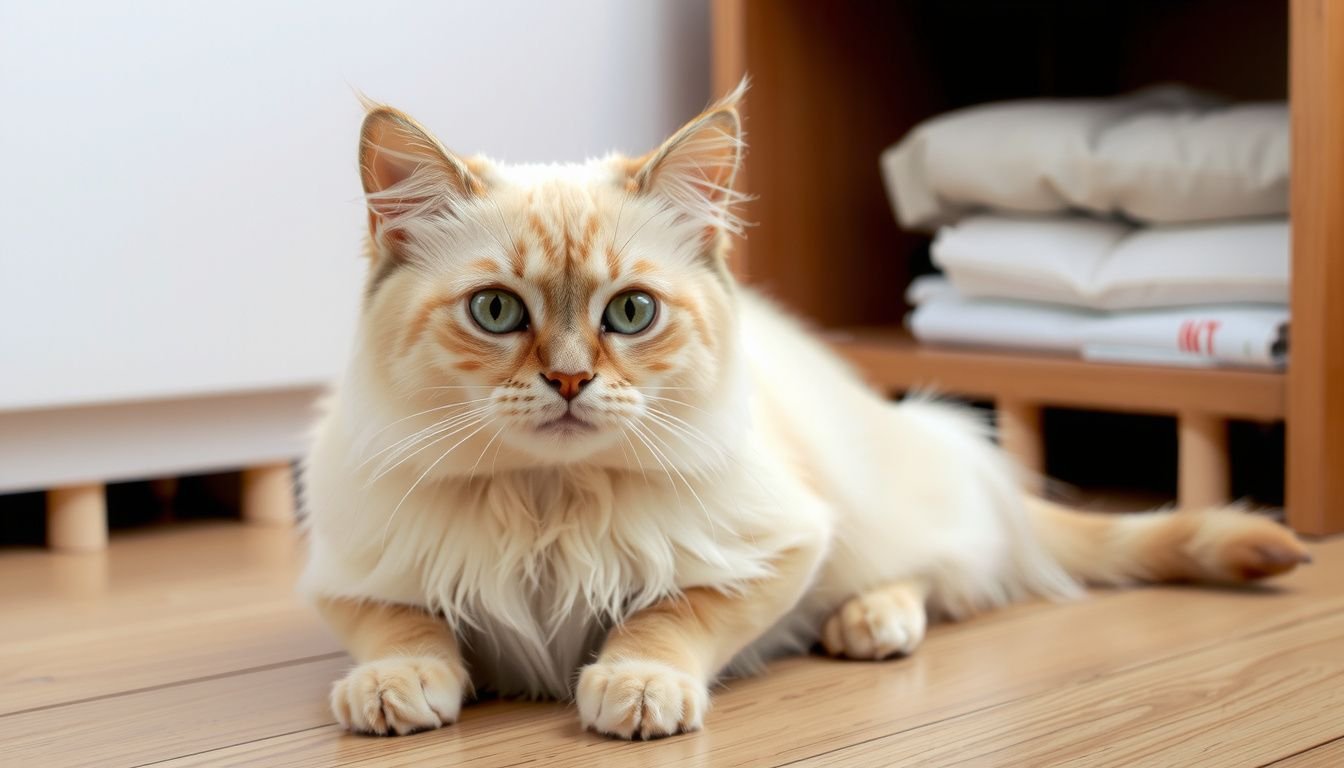
Learning how to care for long haired cats gives you the tools to keep your feline happy, tangle-free, and healthy. Long-haired breeds—like Persians, Maine Coons, and Ragdolls—require consistent grooming and attention to prevent matting, skin problems, and hairballs. If you’ve ever dealt with a squirmy, fur-covered pet, you know that regular maintenance is way easier than emergency detangling.
This guide walks you through the essentials, from prepping your tools to managing mats, bathing, and everyday health checks. Whether you’re a new cat parent or looking to improve your routine, you’ll find practical steps and pro tips to make caring for your long-haired companion a breeze. Let’s get started and keep that coat luxurious all year round.
Prepare Your Grooming Supplies
Before you begin, gather all the essential grooming tools. Having the right supplies on hand streamlines the process and minimizes stress for both you and your cat.
- Slicker brush: Removes loose fur and prevents tangles.
- Wide-tooth comb: Useful for detangling and working through thick areas.
- Dematting tool: Helps tackle stubborn mats without pulling the skin.
- Cat-safe shampoo: Only use products formulated for felines.
- Microfiber towel & pet dryer: For gentle, efficient drying.
- Cat nail clippers: Trim nails to reduce scratching during grooming.
Set up your grooming station in a quiet, well-lit area. Lay out towels and treats for comfort. Check that all tools are clean and in good shape.
This prep work reduces interruptions and keeps sessions calm.
Assess Your Cat’s Coat Condition
Take a few minutes to examine your cat’s fur and skin before grooming. Look for:
- Mats or tangles—especially behind ears, under legs, and around the collar area
- Skin irritation, redness, or bumps
- Excessive shedding or bald patches
Gently run your fingers through the coat to feel for lumps or thick knots you can’t see. If you notice any wounds, fleas, or unusual skin changes, pause grooming and consult your vet. Regular assessments help you spot issues early, making it easier to keep your cat’s coat manageable and healthy.
Pro tip: Make coat checks part of your weekly routine, even if you aren’t planning a full grooming session.
Brush Your Cat’s Fur Thoroughly
Begin brushing in the direction of fur growth. Start with the slicker brush to remove surface debris and loose hair. Work in sections, from head to tail, using gentle strokes.
- Focus on high-friction areas—behind ears, under armpits, and belly.
- Switch to a wide-tooth comb for deeper detangling, especially in dense fur.
- Hold the base of each section to avoid pulling on the skin.
Use treats and soothing words to keep your cat calm. Brushing several times a week prevents mats and reduces shedding. If your cat resists, try shorter, more frequent sessions.
Example: Many Maine Coon owners keep a brush by the couch, making it easy to sneak in quick grooming while the cat relaxes beside them.
Remove Mats and Tangles Safely
Long-haired cats are prone to mats—tight knots that can cause pain and skin problems. Never yank or cut mats out with scissors; this risks injury. Instead, use a dematting tool or mat splitter:
- Gently tease apart small tangles with your fingers or a wide-tooth comb.
- For larger mats, hold the fur at the base and work the dematting tool through slowly.
- If a mat is too close to the skin or won’t budge, seek professional help from a groomer or vet.
Pro tip: Spritzing a bit of cat-safe detangling spray can make the process smoother. Don’t rush—patience prevents stress and injury.
Bathe Your Long Haired Cat Properly
Bathing isn’t required for every long-haired cat, but it helps control oil and reduces shedding. Use lukewarm water and a sink or tub lined with a non-slip mat. Wet the coat gradually and lather with cat-specific shampoo.
- Work the shampoo gently from neck to tail, avoiding the face and ears.
- Rinse thoroughly—residual shampoo can irritate skin.
- Use a cup or handheld sprayer for precise rinsing.
Keep bath times short (under 10 minutes) and reward your cat with treats immediately after. If your cat is extremely anxious or aggressive, ask your vet for tips or consider professional grooming.
Dry and Detangle After Bathing
Post-bath, wrap your cat in a microfiber towel and blot gently—don’t rub, as this can tangle long fur. Use a pet-safe dryer on low heat if your cat tolerates it, holding it several inches away.
- As you dry, gently comb through the fur to prevent new tangles.
- Focus on high-density areas that take longer to dry, like the belly and tail.
- Let your cat rest in a warm, draft-free room until fully dry.
Never send your cat outdoors while damp. Damp fur mats quickly and chills easily, especially in cooler climates.
Check and Maintain Ears, Eyes, and Nails
Routine grooming is the perfect time for a quick health check. Look inside your cat’s ears for redness, dirt, or odor—wipe gently with a damp cotton ball if needed. Eyes should be bright and clear; use a soft, damp cloth to remove discharge.
- Trim nails every 2-4 weeks—just the sharp tips, avoiding the quick.
- Watch for signs of discomfort or infection.
- If you’re unsure about cleaning ears or trimming nails, ask your vet for a demonstration.
Regular checks help you catch small problems before they become big issues.
Monitor Health and Prevent Hairballs
Long-haired cats often swallow more fur, increasing hairball risk. Grooming reduces loose hair, but you can help even more by:
- Feeding hairball-control formulas or adding fiber supplements (with vet approval).
- Encouraging hydration—fresh water helps move hair through the digestive tract.
- Watching for excessive coughing, vomiting, or changes in appetite.
If hairballs become frequent, consult your vet. Early intervention keeps your cat comfortable and prevents digestive blockages.
Quick Answers
How often should I brush my long-haired cat?
Brush at least three times a week. Daily brushing is best for breeds like Persians or if your cat is prone to mats.
Can I use human shampoo on my cat?
No. Always use a cat-specific shampoo. Human products can irritate your cat’s skin and disrupt their natural oils.
What if my cat hates being groomed?
Start with short, positive sessions. Use treats and patience. If stress persists, consult a professional groomer or behaviorist.
Is it safe to cut out mats with scissors?
Never use scissors on mats. You can accidentally cut your cat’s skin. Use proper dematting tools or seek professional help.
Next Steps
Set up a consistent grooming routine tailored to your cat’s needs. Keep supplies accessible, and make coat checks and brushing a positive experience. If you encounter stubborn mats, skin issues, or grooming difficulties, reach out to your vet or a professional groomer.
With regular care, you’ll enjoy a cleaner home—and a healthier, happier long-haired cat.