
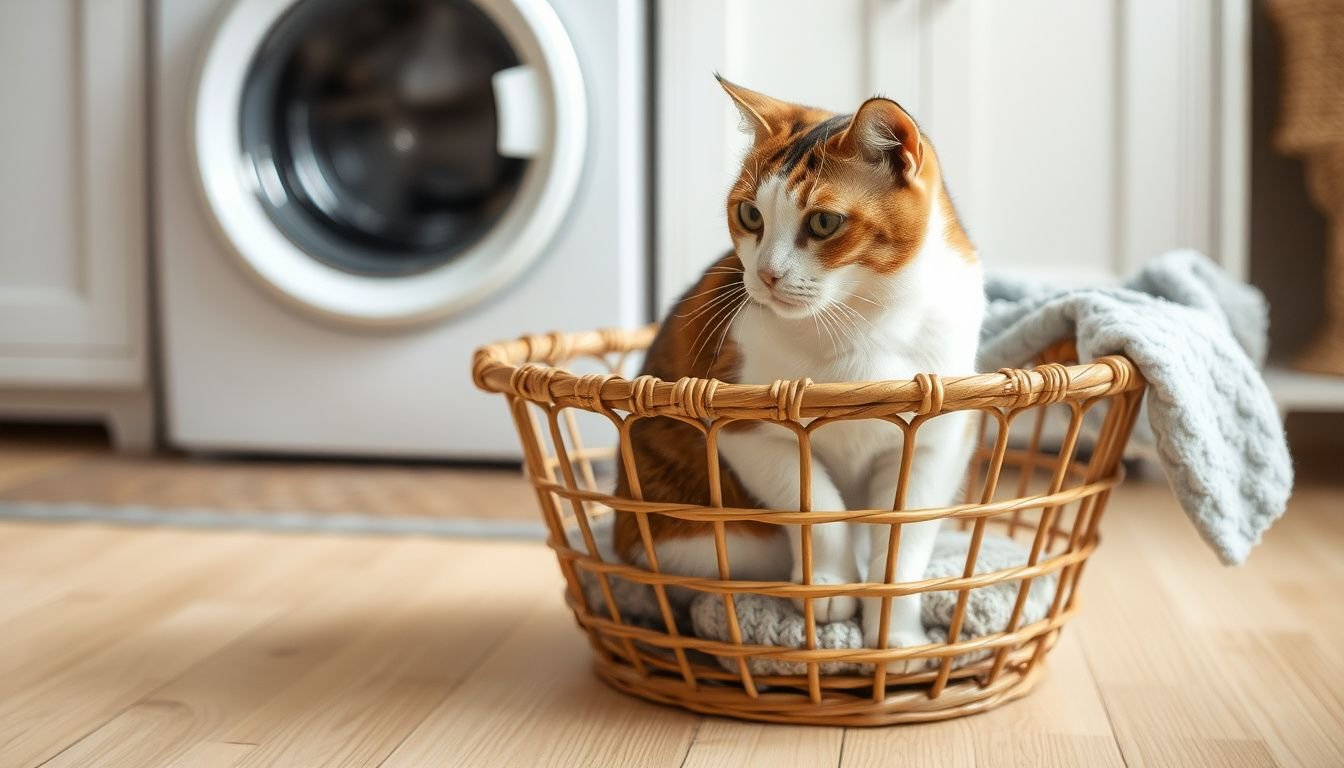
Discovering cat urine in your laundry basket is incredibly frustrating, but it’s a clear sign your feline friend is trying to tell you something important.
Few things are as disheartening for a cat owner as stumbling upon a warm, damp spot in a pile of clean clothes, leading to the immediate and pressing question: why is my cat peeing in the laundry basket? This isn’t just a mischievous act; it’s a significant behavioral change that often signals underlying issues, ranging from medical conditions to environmental stressors or a simple aversion to their litter box. Understanding the root cause is paramount to resolving this unwelcome habit and restoring harmony in your home.
This comprehensive guide will delve into the multifaceted reasons behind inappropriate urination, equipping you with the knowledge and actionable strategies to address this common feline dilemma. You’ll learn how to differentiate between medical emergencies and behavioral quirks, optimize your cat’s environment, and implement effective solutions that promote a happier, healthier life for your beloved companion, ultimately preventing future accidents.
Unraveling the Mystery: Why is My Cat Peeing in the Laundry Basket?
When your cat chooses your laundry basket as an impromptu toilet, it’s rarely out of spite. Instead, it’s a strong indicator of distress or discomfort. Pet owners often feel exasperated, but a deeper dive reveals various potential culprits, from serious health concerns to subtle environmental shifts. Pinpointing the exact reason is the first critical step toward a solution.
Is It a Medical Emergency? Rule Out Health Issues First
Approximately 10% of all feline inappropriate urination cases stem from underlying medical conditions. Therefore, the absolute first step when you notice your cat peeing outside the litter box, especially in unusual places like the laundry basket, is a visit to the veterinarian. A quick check-up can rule out or identify serious health problems that require immediate attention.
- Urinary Tract Infections (UTIs): These are incredibly common and cause discomfort, leading cats to associate their litter box with pain. They might seek softer, more absorbent spots like clothes.
- Bladder Stones or Crystals: Similar to UTIs, these can cause significant pain and inflammation in the urinary tract, making urination painful and potentially leading to blockages.
- Kidney Disease: Cats with kidney disease often drink and urinate more frequently. They might not make it to the litter box in time, especially if it’s far away or occupied.
- Diabetes or Hyperthyroidism: These systemic diseases can also increase thirst and urination, overwhelming a cat’s ability to use the litter box consistently.
- Arthritis or Mobility Issues: For older cats, getting into a high-sided litter box can be painful. A soft pile of clothes offers an easier, less painful alternative. Studies show that over 60% of cats over 12 years old have arthritis.
Your vet can perform a urinalysis, blood tests, and possibly X-rays or ultrasound to diagnose these conditions. Addressing the medical issue is often the quickest path to resolving the inappropriate urination.
The Stress Factor: Emotional and Environmental Triggers
Once medical causes are ruled out, psychological and environmental stressors become the primary suspects. Cats are creatures of habit and highly sensitive to changes in their environment. Even seemingly minor shifts can induce significant stress, which they often manifest through behavioral issues like inappropriate elimination.
- Changes in Routine or Environment: A new pet, a new baby, moving to a new home, or even new furniture can disrupt a cat’s sense of security.
- Inter-Cat Aggression: If you have multiple cats, one might be bullying another, preventing them from accessing the litter box safely. This “resource guarding” is a common cause of stress.
- Separation Anxiety: Some cats become highly anxious when their owners are away, leading them to urinate on items that smell strongly of their human, like dirty laundry, as a coping mechanism or a way to mix scents.
- Lack of Environmental Enrichment: Boredom or a lack of stimulating activities can lead to stress and destructive behaviors, including inappropriate urination.
Understanding these triggers is vital. Observe your cat’s behavior closely for any signs of stress, such as excessive grooming, hiding, changes in appetite, or increased vocalization. Addressing the underlying stressor is key to stopping the unwanted behavior.
Understanding Feline Communication: What Your Cat’s Inappropriate Urination Means
Cats are notoriously subtle communicators. While peeing in your laundry basket is far from subtle, it’s still a form of communication, a desperate plea for attention or a sign that something is amiss in their world. Decoding these signals is essential for effective intervention.
Litter Box Aversion: The Root of Many Problems
One of the most common reasons why is my cat peeing in the laundry basket is a direct aversion to their litter box. Cats are fastidiously clean animals, and if their “bathroom” doesn’t meet their standards, they will seek alternatives. The laundry basket, with its soft, absorbent, and often scent-rich contents, can seem like a luxurious upgrade.
| Litter Box Issue | Cat’s Perspective | Solution |
|---|---|---|
| Dirty Litter Box | “This smells awful! I’ll find somewhere cleaner.” | Scoop at least twice daily; deep clean weekly. |
| Wrong Litter Type | “This texture hurts my paws or the scent is too strong.” | Experiment with unscented, fine-grained litter. |
| Incorrect Box Size/Type | “I can’t turn around comfortably or feel trapped.” | Use large, uncovered boxes. |
| Bad Location | “It’s too noisy, busy, or hard to reach.” | Place in quiet, accessible areas; avoid high-traffic spots. |
| Insufficient Number of Boxes | “All boxes are occupied or too far away.” | Follow the “N+1” rule (number of cats + 1). |
Even if you think your litter box routine is adequate, it might not be from your cat’s perspective. Consider their preferences meticulously.
Territorial Marking vs. Elimination: Decoding the Message
It’s crucial to distinguish between true elimination (peeing to relieve themselves) and spraying (marking territory). While both involve urine outside the litter box, their motivations and solutions differ. When a cat pees in a laundry basket, it’s usually full elimination, squatting to urinate a larger volume of liquid. This points more towards medical issues, stress, or litter box aversion.
Spraying, on the other hand, typically involves a cat standing upright, backing up to a vertical surface, and twitching their tail while releasing a smaller amount of urine. This behavior is more commonly associated with territorial disputes, intact (unneutered/unspayed) cats, or high levels of anxiety. If you observe spraying, consider neutering/spaying if not already done, and address territorial conflicts.
Practical Solutions: How to Stop Your Cat from Peeing in the Laundry Basket
Once you’ve identified the potential reasons why is my cat peeing in the laundry basket, it’s time to implement practical, actionable solutions. A multi-pronged approach often yields the best results, combining environmental adjustments, stress reduction, and effective cleaning.
Optimizing the Litter Box Environment
Improving the litter box situation is often the most impactful step. Think like a cat and aim for comfort, cleanliness, and security.
- Increase Litter Box Count: For multi-cat households, the golden rule is “N+1,” meaning one litter box per cat plus one extra. This reduces competition and ensures options are always available.
- Choose the Right Litter: Most cats prefer unscented, fine-grained clumping litter. Avoid perfumed litters, which can be irritating. Consider a litter attractant if your cat is particularly resistant.
- Size and Type of Box: Opt for large, uncovered litter boxes. Covered boxes can trap odors and make cats feel vulnerable or cramped. For senior cats, ensure low-entry sides.
- Strategic Placement: Place litter boxes in quiet, accessible locations away from noisy appliances, high-traffic areas, and where your cat eats or sleeps. Ensure privacy and multiple escape routes.
- Impeccable Cleanliness: Scoop at least twice daily. Replace all litter and deep clean the box with mild, unscented soap and water weekly. Avoid harsh chemical cleaners, as their residue can deter cats.
Addressing Stress and Anxiety
Managing your cat’s stress levels is crucial for their overall well-being and can significantly reduce inappropriate urination. Approximately 70% of behavioral issues in cats are linked to stress.
- Pheromone Diffusers: Products like Feliway mimic natural feline facial pheromones, creating a calming environment. Place them in areas where your cat spends a lot of time.
- Environmental Enrichment: Provide plenty of vertical space (cat trees, shelves), scratching posts, interactive toys, and dedicated playtime. A stimulated cat is a less stressed cat.
- Consistent Routine: Cats thrive on predictability. Maintain consistent feeding times, play sessions, and litter box cleaning schedules.
- Safe Retreats: Ensure your cat has quiet, private spaces where they can retreat and feel secure, especially if there are other pets or children in the home.
- Gentle Introductions: If introducing new pets or people, do so slowly and positively, allowing your cat ample time to adjust.
Cleaning and Deterrence Strategies
Thoroughly cleaning accidents is vital to prevent repeat offenses, as cats are often drawn back to areas that smell of their urine. Moreover, making the laundry basket less appealing is a simple deterrent.
- Enzymatic Cleaners: Regular household cleaners won’t eliminate the enzymatic components of cat urine, which only cats can smell. Use a high-quality enzymatic cleaner specifically designed for pet odors. Saturate the soiled area, let it sit, and blot dry.
- Remove the Lure: Keep laundry baskets covered or completely inaccessible. Close off laundry rooms or place baskets inside closets.
- Change the Association: Place items your cat dislikes in the laundry basket, such as crinkly aluminum foil, or even a small litter box (temporarily) if they are consistently peeing there.
- Positive Reinforcement: Reward your cat with treats and praise when they use the litter box appropriately. Never punish them for accidents; this only increases stress and fear.
Long-Term Prevention: Keeping Your Home Accident-Free and Your Cat Happy
Preventing future incidents of your cat peeing in the laundry basket requires ongoing vigilance and a commitment to maintaining an environment that meets your cat’s needs. This isn’t a one-time fix but an evolving process of understanding and adapting.
Consistent Routine and Positive Reinforcement
Cats are creatures of habit, and consistency is key. Stick to a regular schedule for feeding, playtime, and litter box maintenance. This predictability helps reduce stress and reinforces positive behaviors. Always use positive reinforcement; reward your cat with treats, praise, or petting when they use the litter box. Punishment, such as scolding or rubbing their nose in the mess, is counterproductive, leading to fear and anxiety, often exacerbating the problem.
Consider introducing interactive toys that dispense treats, encouraging mental stimulation. Daily play sessions with wand toys can help burn off excess energy and reduce anxiety. A happy, engaged cat is less likely to exhibit undesirable behaviors.
When to Seek Professional Help: Vets and Behaviorists
If, despite your best efforts, the inappropriate urination persists, it’s time to re-evaluate. If you haven’t already, schedule another vet visit. Sometimes, subtle medical issues are missed on a first examination, or a new condition may have developed. Your vet can also discuss anxiety medication or supplements if stress is a significant factor.
For persistent behavioral issues, consulting a certified feline behaviorist or a veterinary behaviorist is highly recommended. These professionals have specialized knowledge to assess complex behavioral patterns, identify subtle triggers, and develop a tailored plan. They can offer insights into feline psychology that a general practitioner might not, helping you understand precisely why is my cat peeing in the laundry basket and how to effectively stop it.
Frequently Asked Questions
Why do cats prefer soft surfaces for inappropriate urination?
Cats often seek soft, absorbent surfaces like laundry because they are comfortable on their paws and soak up urine well, minimizing splashing. This can be especially appealing if their litter box is uncomfortable, dirty, or associated with pain due to a medical condition.
Can stress really cause a cat to pee outside the litter box?
Absolutely. Stress is a significant factor in feline inappropriate urination. Changes in routine, new pets, household conflict, or lack of resources can all cause anxiety, leading cats to urinate outside the litter box as a coping mechanism or a sign of distress.
How many litter boxes should I have for multiple cats?
The general rule of thumb is “N+1,” meaning one litter box per cat, plus one extra. For example, if you have two cats, you should provide at least three litter boxes. This reduces competition and ensures convenient options are always available.
What’s the best way to clean cat urine from fabric?
The most effective way to clean cat urine from fabric is to use an enzymatic cleaner specifically designed for pet odors. These cleaners break down the uric acid crystals, eliminating the odor completely and preventing your cat from being drawn back to the spot.
Is it normal for senior cats to start peeing outside the box?
While not “normal,” it is common. Senior cats are more prone to medical issues like arthritis (making litter box entry painful), kidney disease, or cognitive dysfunction. Any new inappropriate urination in an older cat warrants an immediate vet visit to rule out health problems.
When should I take my cat to the vet for inappropriate urination?
You should take your cat to the vet immediately if you notice any inappropriate urination. This behavior is often the first sign of a medical problem, such as a UTI, bladder stones, or kidney disease, which requires prompt veterinary attention.
Final Thoughts on why is my cat peeing in the laundry basket
Understanding why is my cat peeing in the laundry basket is a journey that requires patience, observation, and a proactive approach. From ruling out critical medical conditions to meticulously optimizing their litter box environment and addressing underlying stress, each step plays a vital role in resolving this challenging behavior. Remember, your cat isn’t acting out of malice; they are communicating a need or discomfort that requires your compassionate attention and intervention.
By implementing the strategies outlined in this guide – ensuring pristine litter box conditions, mitigating stress, and thorough cleaning – you can effectively put an end to inappropriate urination. Don’t hesitate to seek professional veterinary or behavioral help if needed; together, you can restore peace to your home and strengthen the bond with your beloved feline companion. Start observing and acting today to create a happier, healthier environment for your cat.