
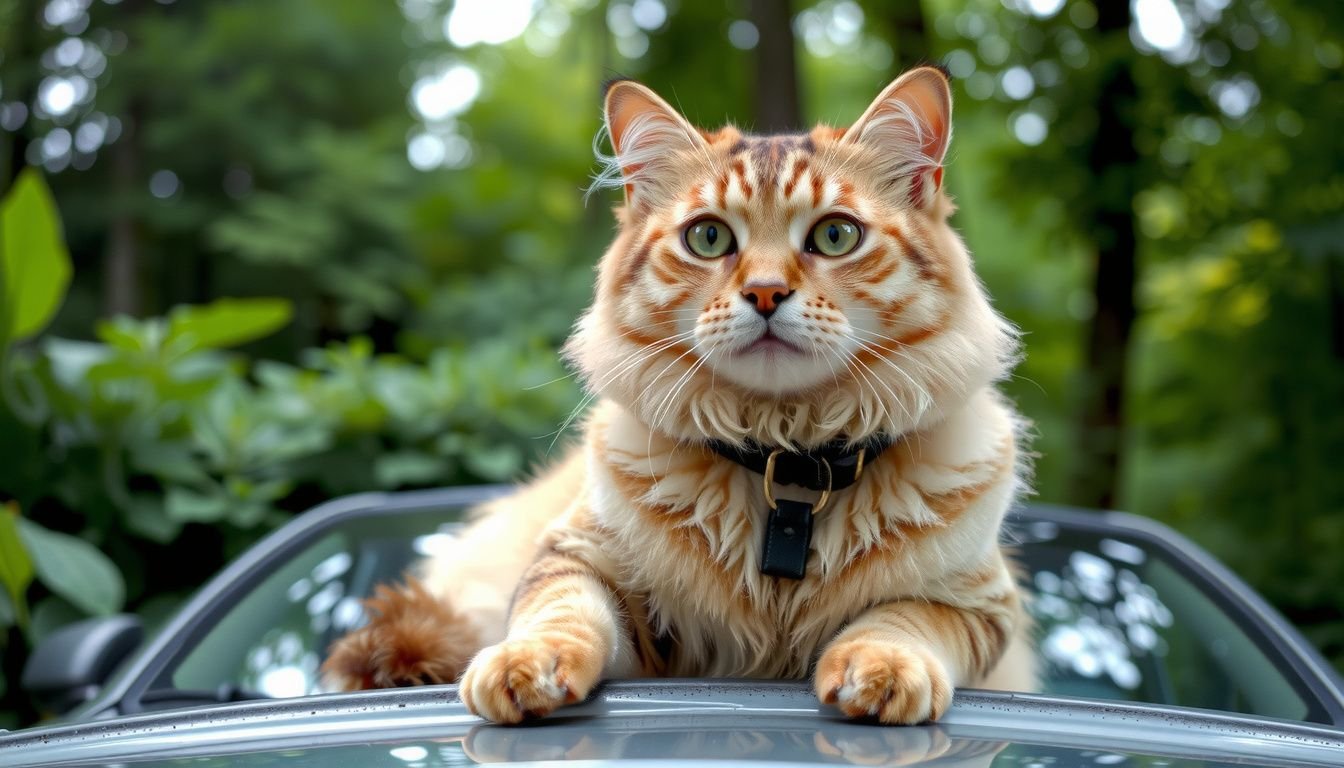
How do you keep cats off your car without harming them or starting a neighborhood feud? You can, and it usually takes a few small changes—not a big “cat problem” overhaul. Cats jump on cars for warmth, height, traction, and routine, and your parking spot may be silently inviting them in.
I’ve helped new pet owners and homeowners solve this with simple deterrents that are humane, repeatable, and easy to maintain. You’ll learn what attracts cats, how to check for real damage, and which deterrents work best in the real world. Pick two tactics to start today, then layer a third if the habit is already established.
Why Cats Keep Jumping on Your Car (And What You’re Signaling)
Cats aren’t targeting your car personally. They’re responding to signals: warmth after driving, a stable elevated platform, and a predictable route they can patrol. If your hood stays warm, you’re basically offering a heated perch.
Your environment matters as much as the cat. Dim corners, quiet driveways, and nearby hiding spots make cats feel safe enough to hop up, linger, and repeat the behavior night after night.
Common “signals” you’re sending include:
- Warmth from the engine bay and hood
- Security from low foot traffic and poor lighting
- Access via fences, bins, or shrubs that act like steps
Check for Real Damage: Paint, Claw Marks, and Under-Hood Risks
Before you deter anything, confirm what’s actually happening. Paw prints and light dust trails look dramatic but often wipe off clean. True damage usually shows up as fine scratches, especially on soft clear coat.
Inspect your car in bright light from different angles. Run a clean microfiber lightly over the surface to feel for roughness, then check for hair caught near wipers or the base of the windshield.
Under-hood risks are rare but real in colder months. Cats may seek residual heat and can disturb insulation or wiring. If you suspect this, pop the hood (engine off) and look for:
- Torn hood liner or insulation
- Chewed wiring or loose clips
- Strong urine odor near the front end
Start With Your Parking Setup: Location, Lighting, and Barriers
Your easiest win is changing the “comfort level” of the parking spot. Cats prefer calm, dark, protected areas. If you can park under a light, closer to your door, or in a garage, do it.
Improve visibility and reduce hiding places. Trim shrubs near the driveway and remove objects that act like launch platforms, such as stacked planters or bins.
Simple barrier strategies that work:
- Park with the hood facing a wall or fence to reduce approach angles
- Use a motion-activated light aimed at the hood area
- Block “step-up” routes by moving bins and low furniture
Make the Surface Unappealing: Covers, Textures, and Placement
Cats like stable footing. If the surface feels unstable or awkward, most will stop trying. A well-fitted car cover can help, but choose one that won’t trap grit and scratch paint when you remove it.
Texture deterrents can be effective when placed correctly. You’re not trying to hurt paws—just make the landing zone annoying. Focus on the hood and roof edges where cats first land.
Options to try (rotate if they adapt):
- Car cover with a snug hood fit
- Temporary hood mat placed after the car cools
- Plastic carpet runner (nubs up) on the ground near the front approach path
Use Scent Deterrents Safely: What Works and What to Avoid
Scent can work, but only if you use it safely and consistently. Cats dislike certain smells, yet strong oils and harsh chemicals can be dangerous to pets and can damage automotive finishes.
Safer choices usually involve mild, non-oily products applied to the area around the car—not directly on paint. Reapply after rain and don’t mix multiple products.
Try these safer approaches:
- Citrus-scented pet deterrent granules placed around the parking area
- Vinegar-and-water wipe on non-painted surfaces nearby (not on clear coat)
- Commercial cat repellent labeled for outdoor use and hard surfaces
Avoid essential oils on cars and near cats (many are toxic), mothballs (toxic and illegal in some uses), and ammonia (can mimic urine and attract marking).
Try Motion and Noise Deterrents: Lights, Sprinklers, and Alarms
Motion deterrents are often the fastest behavior-breakers because they interrupt the routine. You’re aiming for a harmless surprise: a burst of light, water, or sound right when the cat approaches.
Look for devices with adjustable sensitivity so they don’t trigger nonstop with every passing car. Place them to cover the approach path, not just the hood.
- Motion-activated sprinkler aimed across the driveway edge
- Motion-activated LED floodlight near hood height
- Ultrasonic deterrent (mixed results, best as a backup)
Practical example: You park under a tree and keep finding paw prints. You move the car 6 feet forward under a motion light, add a sprinkler covering the old landing path, and the visits drop within a week because the cat’s route is disrupted.
Remove the Attractants: Food Sources, Shelter Spots, and Warmth
If cats keep coming back, something nearby is rewarding them. It might be intentional feeding, accessible trash, rodents, or a cozy hiding spot under a deck. Fix the attractant and your deterrents work twice as well.
Walk a 30-foot radius around your parking area and look for “cat-friendly” resources. Then remove or secure them.
- Bring pet food indoors; feed wildlife away from the driveway
- Secure trash lids and clean spilled food residue
- Block crawl spaces with lattice or hardware cloth (leave no animals trapped)
For warmth, consider letting your engine cool before parking in the usual cat hotspot, if that’s practical for you.
Clean and Deodorize Your Car to Break the Habit Loop
Once a cat has rubbed, marked, or repeatedly lounged on your car, scent can create a habit loop. Even if you can’t smell it, a cat can. Cleaning removes the “this is my spot” message.
Use a car-safe wash and focus on areas cats contact most: hood, roof edge, windshield base, and wipers. If you suspect urine, use an enzyme cleaner that’s safe for automotive exterior surfaces—spot test first.
- Wash with pH-balanced car shampoo
- Spot-treat with enzyme cleaner (test on an inconspicuous area)
- Rinse thoroughly and dry to prevent residue that attracts dust and paw prints
If It Keeps Happening: Neighbor Cats, Humane Options, and When to Call Help
If the cat is owned, you’ll get better results by addressing the source. Talk to your neighbor calmly and focus on solutions: keeping the cat indoors at night, adding a collar bell, or using deterrents on their side of the route.
For community cats, humane options exist. Trap-neuter-return (TNR) programs reduce roaming and marking over time, and local rescues can advise on legal, ethical steps.
Call professional help when:
- You see repeated under-hood nesting or chewed wiring
- The cat appears injured, ill, or trapped
- You’re dealing with multiple cats and marking behavior escalates
The Bottom Line
You keep cats off your car by changing what your parking spot “offers”: warmth, safety, and a repeatable route. Start with the simplest fixes—better lighting, fewer hiding spots, and blocking the approach path—then add a surface or motion deterrent to break the routine fast.
Skip risky chemicals and focus on humane, consistent methods. Clean the car to erase scent cues, and remove nearby attractants so cats have less reason to return. If the behavior persists, coordinate with neighbors or a local rescue for long-term, humane solutions that protect both your paint and the cat.
Related read: What Does Cats Mean on a Car? Causes and What You Do