
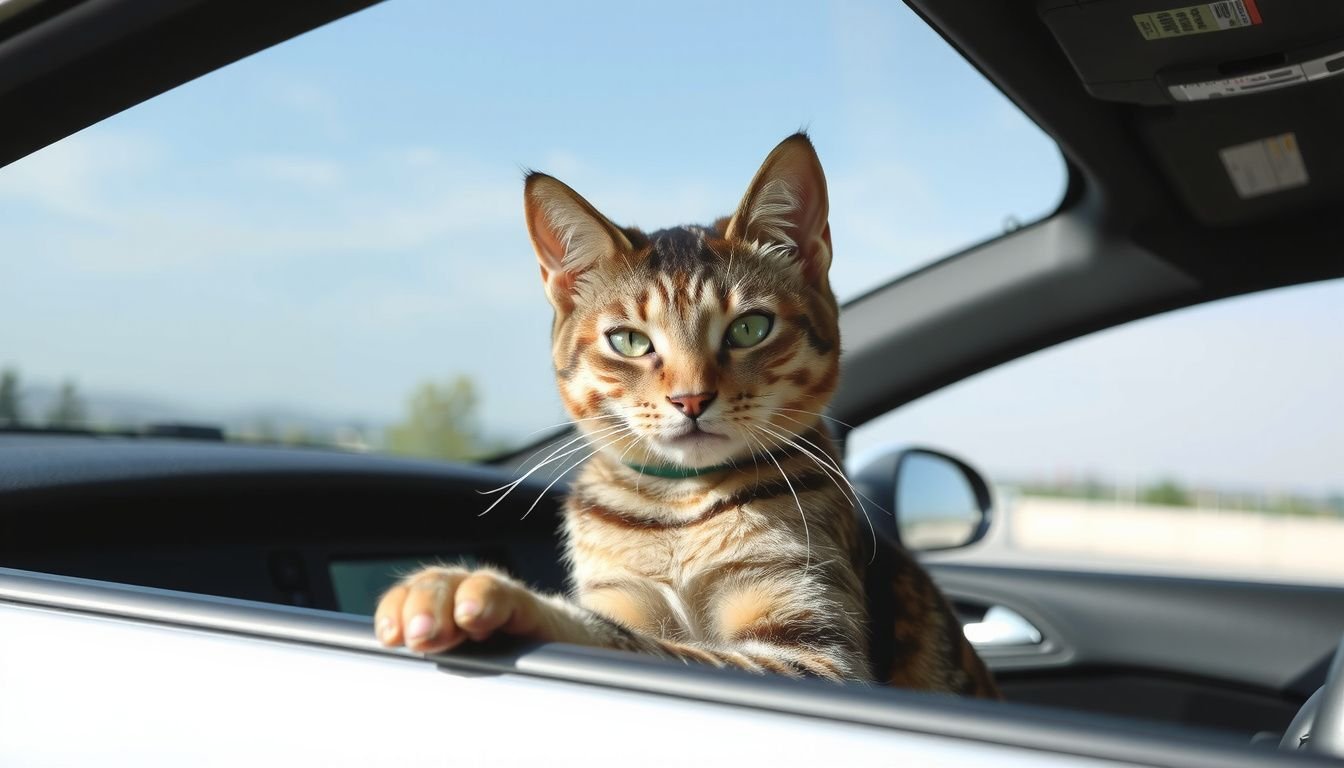
Wondering how to calm down a cat in a car? If your cat turns into a ball of nerves the minute you grab the carrier, you’re not alone. Many cats fear car rides—think strange smells, unfamiliar sounds, and the loss of control.
But with the right prep, you can make travel less stressful for you both. This step-by-step guide will walk you through proven techniques to help your cat feel safe and calm, from pre-trip planning to post-trip comfort. You’ll learn how to use the carrier, positive reinforcement, and gentle calming aids, along with how to read your cat’s body language during the drive.
Whether you’re headed to the vet or moving cross-country, here’s how to make the trip smoother for your feline friend.
Prepare Your Cat Before the Trip
Start by getting your cat comfortable with the idea of travel days or even weeks in advance. Cats love routine, so sudden changes can spike their anxiety. Begin leaving the carrier out in a familiar spot—let your cat sniff, nap, or play around it.
Place treats, toys, or a blanket inside to create positive associations. Feed your cat in or near the carrier if possible.
Next, mimic trip conditions. Play car sounds softly, or move the carrier a few feet to simulate motion. If your cat’s especially anxious, talk to your vet about calming pheromone sprays or natural supplements.
Always ensure your cat’s ID tags and microchip information are up to date before any trip.
Pro tip: Don’t force your cat into the carrier last minute. That’ll just create negative associations and ramp up stress.
Choose and Set Up a Comfortable Carrier
Your carrier choice is crucial for comfort and security. Go for a sturdy, well-ventilated design with a secure latch. Soft-sided carriers can be cozy, but hard-sided ones offer more protection if you brake suddenly.
- Line the bottom with a familiar-smelling blanket or towel.
- Add a favorite toy or a piece of your clothing for extra comfort.
- Use a pheromone spray (like Feliway) inside the carrier 15 minutes before you leave.
Always secure the carrier in your car using the seatbelt—this prevents sliding and keeps your cat safe. Never let your cat roam free in the car; it’s dangerous and can distract you while driving.
If you need a visual, here’s a quick comparison:
| Carrier Type | Pros | Cons |
|---|---|---|
| Soft-sided | Lightweight, cozy, easy to store | Less protection, harder to clean |
| Hard-sided | Durable, easy to clean, safe | Bulky, heavier |
Introduce Your Cat to the Car Gradually
Now, start building positive associations with the car itself. Carry your cat (in the carrier) to the car and sit with them for a few minutes—no driving yet. Offer treats, gentle praise, or play soothing music.
Repeat this step a few times over several days.
- Place the carrier inside the parked car.
- Let your cat explore the scent and sounds in short sessions (2–5 minutes).
- Gradually start the engine for a minute or two, rewarding calm behavior.
- Move on to short drives around the block, never exceeding your cat’s comfort level.
Watch for signs of distress like panting, excessive meowing, or hiding. If your cat seems overwhelmed, slow down the process. Patience now saves you stress later.
Example: One cat owner spent a week just letting their cat nap in the carrier in the parked car—by day five, the cat was calm enough for a five-minute drive.
Use Calming Techniques During the Ride
On travel day, keep things low-stress. Put your cat in the carrier calmly, using treats and a gentle voice. Cover the carrier with a light cloth if your cat gets overstimulated by passing scenery—this creates a cozy den-like feel.
- Maintain a cool, comfortable temperature in the car.
- Play soft, soothing music or white noise at low volume.
- Drive smoothly—avoid sudden stops or sharp turns.
- Don’t open windows wide, as sudden air blasts can scare your cat.
Consider using pheromone sprays or calming collars if your cat is especially anxious. Never sedate your cat without veterinary guidance. If your cat starts panting or drooling, pull over safely and check in—sometimes a short break makes all the difference.
Monitor Your Cat’s Behavior and Adjust
Stay alert to your cat’s signals. Signs of stress include wide eyes, flattened ears, heavy breathing, or desperate attempts to escape the carrier. If you notice these, try talking softly, offering a treat, or adjusting the carrier’s position to reduce vibration.
If your trip is longer than an hour, plan for breaks. Park in a quiet spot, keep doors closed, and offer water or a small treat through the carrier’s door. Never open the carrier outside—the risk of escape is too high.
- Stay patient—don’t scold or punish your cat for vocalizing.
- Use a checklist to track your cat’s comfort at each stage (rest, noise, temperature).
- If your cat calms down, reward them with gentle praise or a favorite treat.
Remember, every cat is different. Adjust your approach to fit your cat’s personality and sensitivity.
Finish the Journey and Soothe After Arrival
You’ve made it! Once you arrive, bring your cat (still in the carrier) into a quiet room. Open the carrier door and let your cat come out at their own pace—don’t force it.
Place familiar items like their bed or favorite toy nearby to help them settle.
- Offer fresh water and a small snack.
- Keep the environment calm—avoid loud noises or lots of visitors.
- Give your cat time to explore the new space when they’re ready.
If your cat hides, that’s normal. Give them a few hours (or even a day) to decompress. Reward calm behavior and reinforce the idea that travel leads to positive, safe outcomes.
This helps make your next trip even smoother.
You’re Ready
Look, you’ve got the tools to make every car ride less stressful—both for your cat and for you. Remember, the key is gradual exposure, consistency, and patience. Follow each step, watch your cat’s cues, and adjust as needed.
If you get stuck, reach out to your vet for extra guidance. With practice, your cat may never love car rides, but you can absolutely help them stay calm and secure. Safe travels—you and your feline are in this together.