
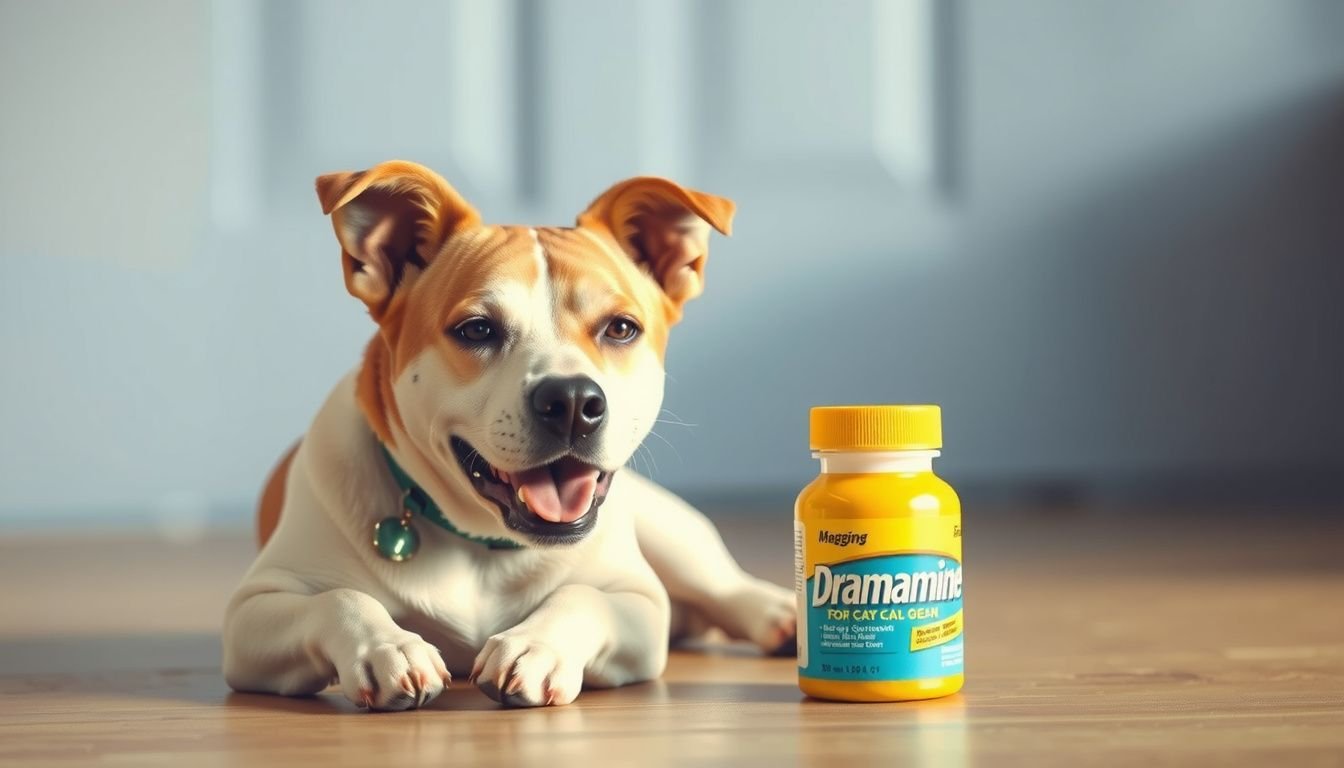
Ever wondered, can you give a dog dramamine for car sickness? I have, too. My energetic Labrador, Scout, loved road trips—until the drooling, whining, and eventual vomiting turned every drive into a nightmare.
Like many dog parents, I scoured the internet for safe solutions and found Dramamine mentioned over and over. I’m sharing my firsthand experience, what I learned from my vet, and practical advice for other dog lovers. If you’re tired of cleaning up messes after every ride, let’s chat about whether Dramamine is right for your pup.
Read on for real-life tips, warnings, and alternatives. Ready to hit the road with a happy dog? Let’s dig in!
- Active Ingredient: Dimenhydrinate
- Common Use: Prevents motion sickness
- Can Dogs Take It? Yes, with veterinary guidance
- Dosage: Typically 2-4 mg per pound, every 8 hours (ask your vet)
- Side Effects: Drowsiness, dry mouth, urine retention
- Alternatives: Ginger, prescription meds, behavior training
Why I Considered Dramamine for My Dog’s Car Sickness
Scout’s excitement about car rides faded fast once motion sickness kicked in. The symptoms were hard to miss: excessive drooling, anxious pacing, and, more than once, a backseat mess before we even hit the highway.
After a few ruined trips, I started researching ways to help him enjoy car rides again. I read that Dramamine has been used for decades to treat human motion sickness—and some vets recommend it for dogs, too. I wanted to avoid prescription drugs if possible, so Dramamine seemed like a potentially gentle first step for occasional travel.
Still, I was nervous about giving Scout any medication. I needed to be sure it was safe, wouldn’t interact with his other meds, and wouldn’t just knock him out completely. That’s when I decided to dig deeper and consult with my vet.
What Is Dramamine and How Does It Work for Dogs?
Dramamine’s active ingredient is dimenhydrinate, an antihistamine that helps reduce the effects of motion on the inner ear—the part responsible for balance. In dogs, just like in humans, this can help prevent the dizzy, nauseous feeling that leads to vomiting and discomfort.
The science is pretty straightforward: Dramamine blocks certain signals in the brain that trigger nausea. It usually starts working within 30-60 minutes and can last up to 8 hours, making it a good fit for most car trips.
It’s important to note that not all over-the-counter medications are safe for pets, but Dramamine is one of the few that many vets do use—when dosed correctly. Still, I learned quickly that there’s no “one size fits all” when it comes to medications for dogs.
My First Time Giving My Dog Dramamine: What Happened
The first time I gave Scout Dramamine, I was nervous. I double-checked the dosage with my vet: 25mg for his 30-pound frame, given about 45 minutes before our trip. I hid the tablet in a soft piece of cheese—he gulped it down happily.
On the drive, I watched for any changes. Scout was noticeably calmer. He didn’t drool or whine, and by the end of the trip, the back seat was clean.
He did seem a little sleepier than usual, but not unsteady or distressed.
That first trip was a major win. It gave me the confidence to use Dramamine for future rides, but also made me more aware of the need to watch for side effects.
How I Determined the Right Dramamine Dosage for My Dog
I learned quickly: never guess a dosage. My vet used Scout’s weight to calculate the right amount—typically 2-4 mg per pound, depending on the dog’s health and sensitivity. For Scout, that meant a 25mg tablet, not more.
Here’s how I approached it:
- Weighed Scout—accuracy matters!
- Consulted my vet about his health, medications, and breed-specific sensitivities.
- Started with the lowest recommended dose and watched for results.
Never use Dramamine “Less Drowsy” formula (meclizine) without checking with your vet, as it’s a different drug. Always double-check the box for the right active ingredient.
Side Effects I Noticed and What to Watch Out For
Dramamine isn’t risk-free. The main side effect I noticed was mild drowsiness—Scout napped for most of the ride. He also drank a little less water than usual and seemed slightly less playful for a few hours.
Other possible side effects include:
- Dry mouth
- Urine retention
- Rapid breathing
- Loss of appetite
If your dog seems extremely lethargic, has trouble breathing, or shows any sign of an allergic reaction, call your vet immediately. I always monitor Scout closely for the first few hours after giving any new medication.
Tips for Safely Giving Dramamine to Your Dog
Here’s what’s worked for me over multiple trips:
- Always consult your vet first, especially for puppies, seniors, or dogs on other medications.
- Give Dramamine 30-60 minutes before travel so it has time to work.
- Hide the pill in a treat like cheese or peanut butter to make it go down easy.
- Never exceed the recommended dose.
- Keep water available during and after the trip.
And never use Dramamine as a frequent crutch—address car anxiety and comfort, too.
Alternatives I Tried Before Using Dramamine
Before turning to medication, I experimented with a few natural approaches:
- Short, positive car rides to build up Scout’s confidence
- Frequent breaks for fresh air and potty time
- Ginger treats (some dogs do well with ginger’s natural anti-nausea effect)
- Crate training to provide a secure space
These helped a bit, but for longer drives, Scout still got queasy. Dramamine became my backup when nothing else worked.
When to Talk to a Vet About Dog Car Sickness
If your dog’s car sickness is severe, lasts after car rides, or Dramamine doesn’t help, it’s time for a vet visit. Chronic vomiting or anxiety could signal other health issues.
Your vet can also recommend prescription medications, check for underlying problems, and help tailor a plan for your dog’s specific needs. Don’t try to self-treat repeatedly without professional input—you’ll want expert guidance if the problem persists.
I check in with my vet regularly, especially if Scout’s symptoms change. It’s always worth the peace of mind.
Final Summary
So, can you give a dog dramamine for car sickness? Yes, with your vet’s blessing. It’s helped Scout enjoy road trips again, but it’s not a universal fix.
I always use the proper dose, monitor for side effects, and try non-drug solutions first. If you’re facing the same struggle, talk to your vet and weigh all your options. With the right approach, your dog can join in on adventures—without the mess or stress.
Safe travels!
Related read: What to Give Car Sick Dogs: My Go-To Remedies and Tips