
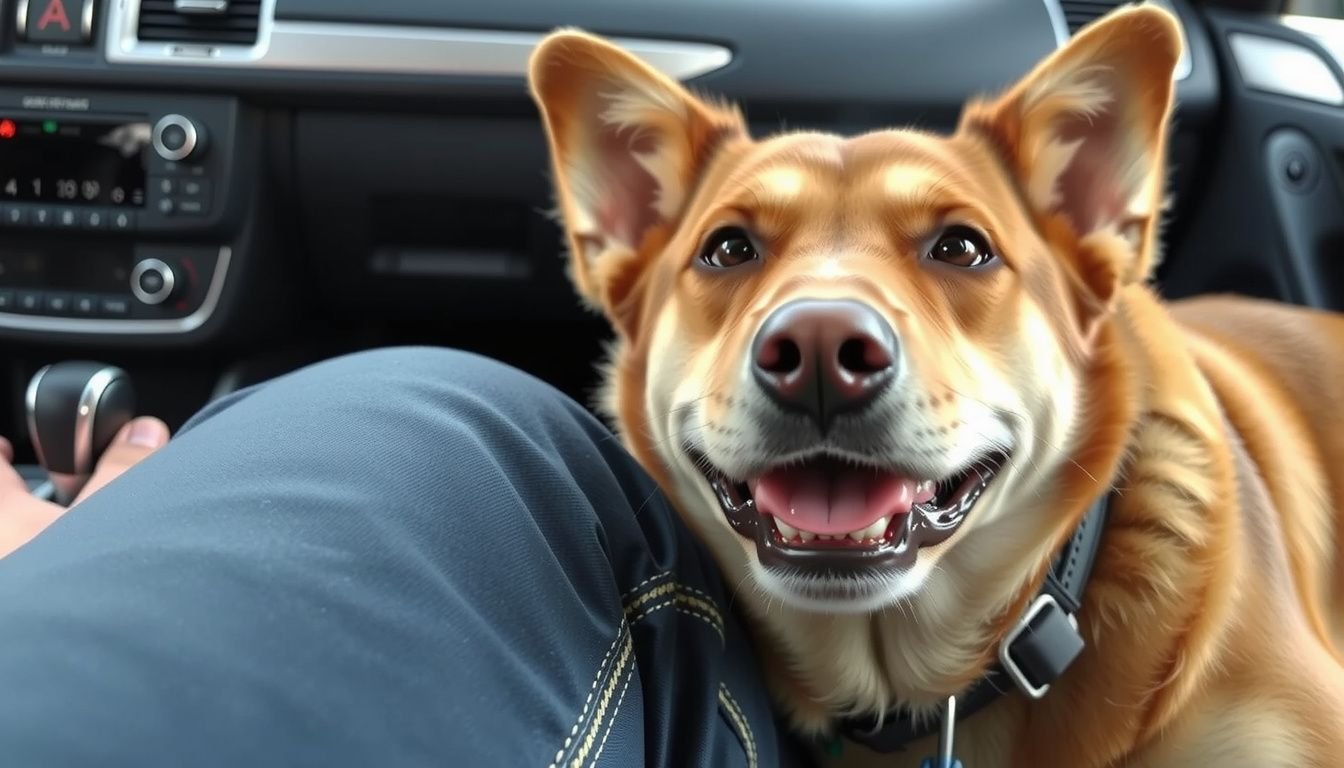
If you’re searching for how to help car sickness in dogs, you’re not alone. Motion sickness in dogs is surprisingly common—especially for puppies and anxious travelers. This guide gives you everything you need to recognize, prevent, and manage car sickness, so travel becomes stress-free for both you and your dog.
You’ll get step-by-step help, practical tips, and expert insights. Whether you’re prepping for a quick vet visit or planning a cross-country trip, you’ll find actionable solutions here. Let’s make car rides enjoyable for your best friend—starting now.
Understand Why Dogs Experience Car Sickness
Car sickness can strike dogs of any age, but it’s especially frequent in puppies and young dogs. The culprit? An underdeveloped inner ear, which controls balance.
As their bodies mature, most dogs outgrow this issue, but not always.
Stress and anxiety also play a huge role. If your dog associates the car with negative experiences (think: vet visits or bumpy rides), they may feel queasy before the engine even starts.
- Physical factors: Immature vestibular system, genetics, or inner ear problems.
- Psychological triggers: Past trauma or a lack of positive travel experiences.
Understanding these root causes helps you tailor your approach—whether you’re working with a nervous puppy or a seasoned adult dog.
Identify Signs of Car Sickness in Your Dog
Look for early warning signs before symptoms escalate. Dogs rarely suffer in silence, so watch for these telltale symptoms:
- Excessive drooling
- Whining or pacing
- Yawning or licking lips
- Vomiting or retching
- Sudden stillness or trembling
Some dogs may even try to hide or resist getting into the car. Spotting these behaviors early lets you intervene before your dog associates every car ride with discomfort.
For example, if your retriever whines and pants just five minutes into a drive, that’s a clear cue to try different tactics next time.
Prepare Your Dog Before the Car Ride
Preparation is your best defense against car sickness. Start with short, positive car experiences. Let your dog explore the parked car without the pressure of a drive.
Reward calm behavior with treats or praise.
Bring familiar items—like a favorite blanket or toy—to provide comfort. Practice loading and unloading calmly. Make it fun: offer treats, play a quick game, or use enthusiastic praise to create positive associations.
- Short, stress-free exposures
- Gradually increasing ride duration
- Frequent, positive reinforcement
Pro tip: Never force your dog into the car. Let them approach at their own pace for lasting confidence.
Choose the Right Feeding and Hydration Schedule
Timing meals and water intake matters. A full stomach increases the risk of nausea, but an empty one can add to discomfort. Aim for a light meal 3–4 hours before travel.
Avoid feeding your dog right before leaving.
Keep water available, but limit it during the ride to prevent sloshing stomachs. Offer a small drink at rest stops instead of letting your dog gulp down water just before departure.
- Feed lightly 3–4 hours pre-trip
- Limit water during travel
- Take regular hydration breaks
This balance keeps your dog comfortable without increasing the risk of car sickness.
Create a Comfortable Travel Environment
Your dog’s comfort level can make or break the ride. Secure your dog in a well-ventilated crate or with a dog seat belt. This keeps them safe and reduces anxiety caused by sliding or falling.
Minimize sudden stops and sharp turns. Keep the car cool with open windows or gentle air conditioning—fresh air helps reduce nausea.
- Use a familiar bed or blanket
- Block your dog’s view of fast-moving scenery (window shades or crate covers help)
- Play soothing music or white noise
Example: A dog who usually drools and whines may relax when traveling in a secure crate with their favorite toy and a light breeze from the window.
Use Gradual Desensitization Techniques
Gradual desensitization trains your dog to associate car rides with positive experiences—reducing fear and nausea over time. Start with parked-car sessions. Let your dog explore, reward calmness, and gradually build up to turning on the engine and taking very short drives.
- Sit together in the parked car—reward calmness
- Turn on the engine without moving
- Drive around the block—end with praise and treats
- Increase trip length slowly
If your dog shows signs of stress, go back a step. Patience is key—rushing can reinforce anxiety. This process may take days or weeks, but the payoff is lasting, confident travel.
Explore Safe Remedies and Tools
If training alone doesn’t do the trick, safe remedies may help. Always check with your vet before starting anything new.
- Natural aids: Ginger treats, pheromone sprays, calming collars
- Over-the-counter options: Anti-nausea supplements made for dogs
- Prescription medications: Ask your vet about drugs like Cerenia for severe cases
Other helpful tools include anxiety vests and pressure wraps. Never give human medications—what works for you may be toxic for dogs.
Combine remedies with behavioral training for best results.
Monitor Progress and Consult Your Veterinarian
Keep a simple journal after each trip. Note symptoms, triggers, and what worked (or didn’t). This gives you valuable insight and helps your veterinarian fine-tune recommendations.
Consult your vet if:
- Symptoms persist despite your efforts
- Your dog vomits repeatedly or refuses to eat
- You want to explore medication options
Some health problems mimic car sickness, so a check-up rules out other causes. Your vet can suggest tailored strategies and ensure your dog’s safety.
You’re Ready
You’ve just learned how to help car sickness in dogs using proven, step-by-step strategies. Start small, reward progress, and adjust based on your dog’s needs. Remember: every dog is different.
Some respond quickly, while others need more patience and support. By combining thoughtful preparation, environmental adjustments, and expert advice, you can transform car rides from dreaded to delightful. Grab your leash, pack your dog’s favorite toy, and get ready for your next adventure together—motion sickness won’t hold you back anymore.