
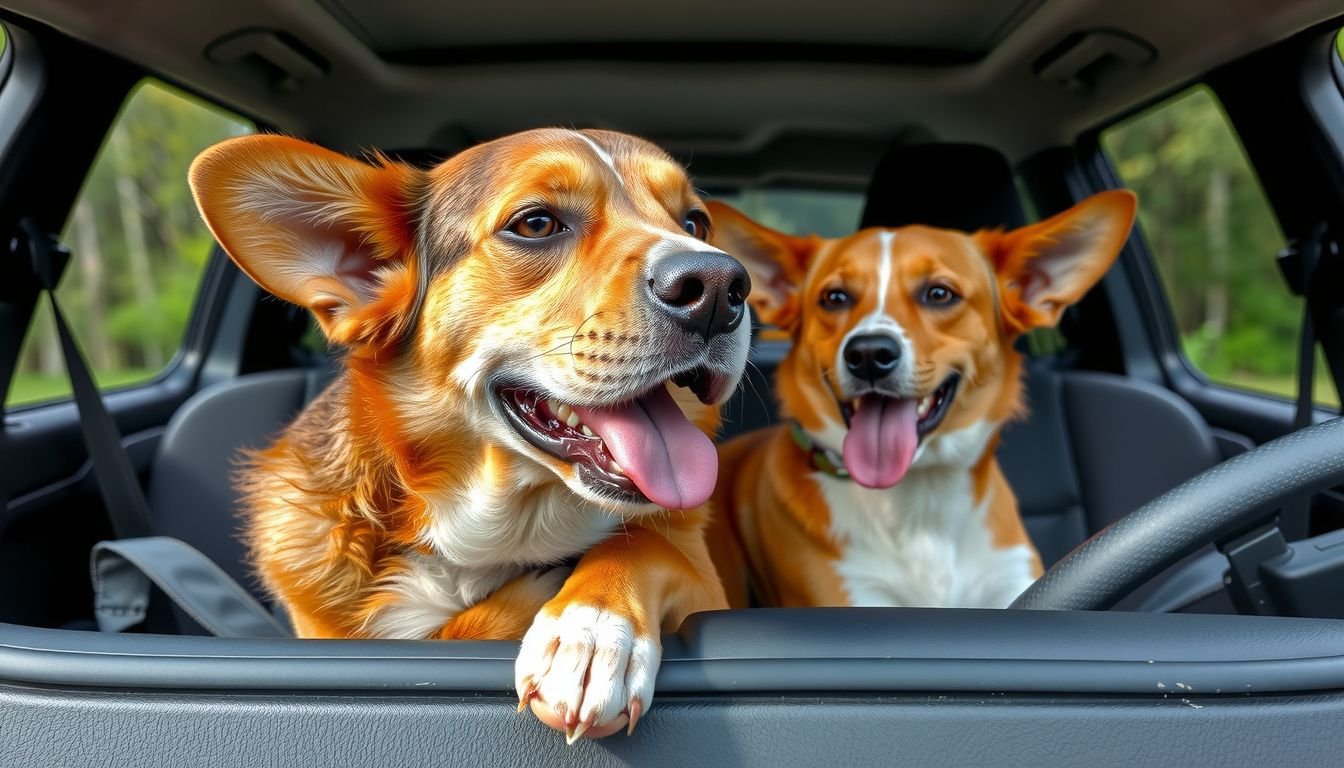
If you’re searching for actionable advice on how to prevent dogs from getting car sick, you’re in the right place. Car sickness can turn even short trips into stressful ordeals for both you and your dog. The good news?
There are proven steps you can take to minimize—or even eliminate—your dog’s discomfort while traveling. You’ll learn how to prepare your dog before the journey, train them to associate the car with positive experiences, create a comfortable travel environment, and apply safe remedies if nausea strikes. Whether you’re planning a weekend getaway or a vet visit across town, these clear, step-by-step tips will have you and your pup riding comfortably together.
Let’s make travel enjoyable for both of you—starting today.
Prepare Your Dog Before the Trip
Start by getting your dog ready for the car well in advance. Don’t wait until the day of your journey to make changes—advance preparation is key.
- Feed Lightly: Give your dog a small meal three to four hours before departure. A full stomach can worsen nausea, but going completely empty may cause discomfort too.
- Exercise First: Take your dog for a brisk walk or a quick play session before the trip. This helps burn off nervous energy and can reduce anxiety.
- Favorite Items: Bring a familiar blanket or toy. The scent and comfort of home can be reassuring and calming.
Pro tip: If your dog is new to car rides, try letting them sit in the parked car for a few minutes each day—treats and praise included. This small step builds positive associations.
Condition Your Dog to Enjoy Car Rides
Gradual exposure works wonders for dogs prone to car sickness. The goal is to associate the car with positive outcomes, not stress or queasiness.
- Short Sessions: Start with five-minute drives around the block. End each ride with a fun reward, like a treat or a trip to the park.
- Increase Gradually: Extend the duration of each ride as your dog relaxes. Watch for stress signals—panting, drooling, whining—and scale back if needed.
- Consistent Routine: Be patient and repeat short rides several times a week. Consistency builds confidence and reduces anxiety.
Real-world example: One owner noticed their puppy would drool and whine every time they drove to the vet. By adding daily, short rides ending at a favorite walking trail, the puppy began to associate the car with fun, not fear. Within a month, car trips were met with wagging tails instead of stress.
Optimize the Car Environment for Comfort
Small changes inside your vehicle can dramatically improve your dog’s travel experience. Here’s how you can make the ride smoother:
- Proper Restraint: Use a well-ventilated crate or a secure dog seatbelt. This prevents sudden movements that can trigger motion sickness.
- Temperature Control: Keep the car cool and well-ventilated. Crack a window for fresh air, but avoid direct wind in your dog’s face.
- Strategic Seating: Place your dog in the back seat, ideally facing forward. Avoid rear-facing positions, which can intensify nausea.
- Avoid Visual Overload: Block your dog’s view of rapidly moving scenery if possible. Some dogs do better when they can’t see out side windows.
Common mistake: Letting your dog roam freely. Unrestrained dogs are more likely to feel—and react to—sudden car movements, increasing stress and sickness risk.
Apply Effective Remedies During Travel
If your dog still shows signs of car sickness, consider these safe, actionable remedies:
- Frequent Breaks: Stop every hour or so for a quick walk, bathroom break, and fresh air.
- Hydration: Offer small amounts of water during stops to prevent dehydration, but avoid large gulps right before driving.
- Natural Aids: Try ginger dog treats or consult your vet about safe herbal remedies—ginger can help settle the stomach for some dogs.
- Medication: For severe cases, ask your veterinarian about prescription anti-nausea medications. Never medicate without professional guidance.
Look, every dog is different. Some respond to small tweaks in routine, while others may need a combination of strategies to finally travel comfortably. Don’t give up after one attempt—adjust and try again.
Next Steps
You now have a clear, step-by-step plan for how to prevent dogs from getting car sick. Begin by prepping your dog before trips, then gradually build up their car confidence with positive experiences. Make travel more comfortable by tweaking your car’s environment and experiment with proven remedies for nausea.
If your dog continues to struggle, don’t hesitate to consult your veterinarian—sometimes a tailored approach or medication is necessary. Take action on these tips, adjust as you learn what works, and soon you’ll both enjoy smoother, happier journeys together. Safe travels!