
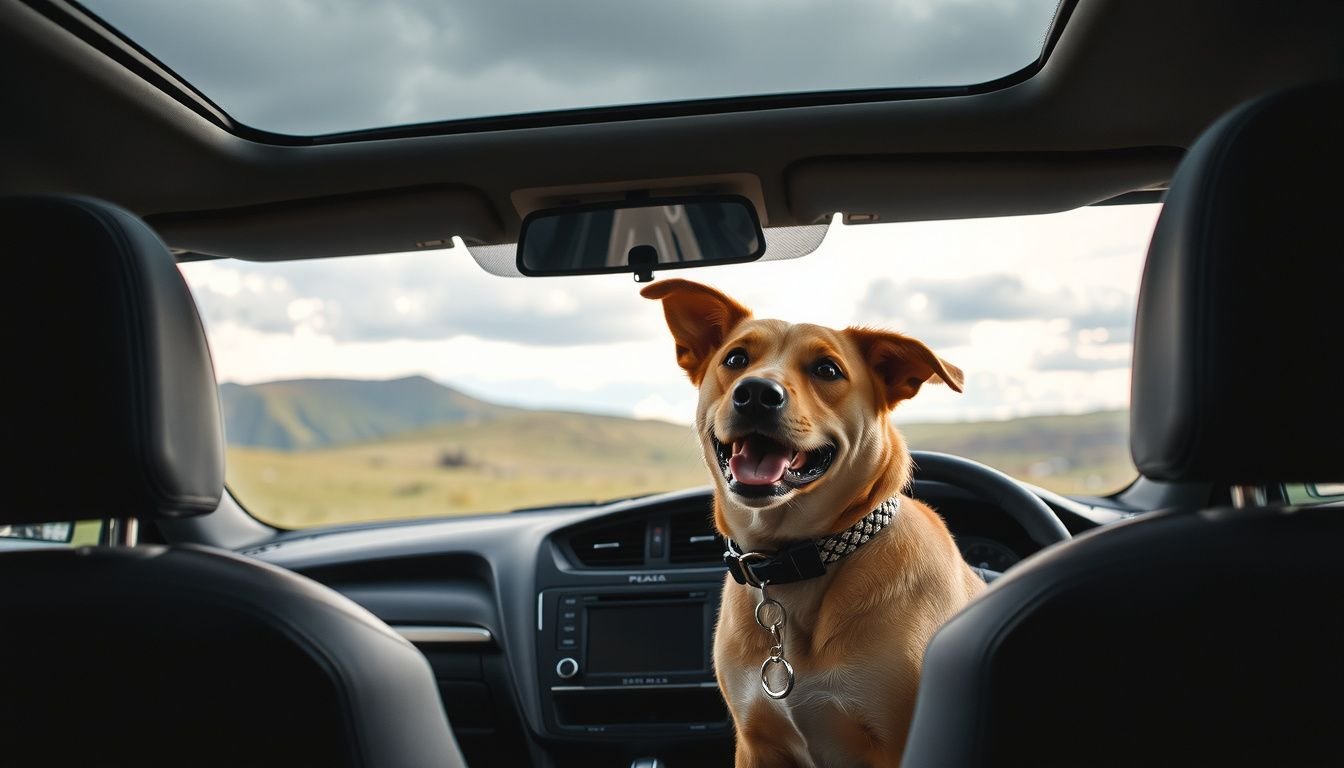
Preparing for a road trip with your furry friend? Learning how to travel with a dog in a car safely can turn a stressful journey into a smooth adventure for both of you. Whether you’re heading to the vet, a friend’s house, or across state lines, a little planning goes a long way.
Dogs thrive on routine and comfort, so a successful car trip comes down to preparation, safety, and patience. You’ll need to think about your dog’s comfort and containment, as well as your vehicle setup, the supplies you pack, and how you break up the drive. Let’s break down the key steps you should take for a safe, stress-free trip—right from your driveway to your destination.
Prepare Your Dog and Vehicle Before You Start
Before you set off, acclimate your dog to both the car and the idea of traveling. Start by letting your dog sit in the car while it’s parked, then take short drives around the block. This builds a positive association and reduces anxiety on longer trips.
Check your vehicle for safety. Remove loose items that could become projectiles. Clean out clutter to give your dog a dedicated space.
Decide where your dog will ride—back seat, cargo area, or crate. Double-check that the area is free of hazards like electrical cords or sharp objects.
Update your dog’s ID tags and microchip information before any trip. Keep your vet’s contact info handy, especially if you’re traveling out of town.
- Acclimate your dog with short car rides
- Secure or remove loose items in the car
- Choose and prep your dog’s travel spot
- Update identification and vet info
Pro tip: If your dog gets anxious, try a favorite toy or blanket in the car for comfort.
Pack the Essentials for a Comfortable Trip
What you pack can make or break the trip—for both you and your dog. Lay out everything your dog could need within easy reach. Start with the basics: leash, collar with updated tags, food, water, and bowls.
Add a favorite blanket or bed for familiarity and comfort.
Don’t forget waste bags, treats for good behavior, and any medications your dog needs. It’s smart to bring a towel for muddy paws or unexpected messes. If you’re traveling a long distance, pack enough food for the entire trip to avoid digestive upsets from brand switching.
- Leash and collar (with tags)
- Water and collapsible bowl
- Food and treats
- Dog bed or blanket
- Medications and vet records
- Waste bags and cleaning supplies
Look, even a simple trip can turn chaotic if you forget something important. For example, on a recent road trip, I forgot my dog’s favorite chew—she spent half the drive whining until a quick pit stop for a new one saved the day.
Secure Your Dog Properly During the Drive
Your dog’s safety is non-negotiable. Never allow your dog to roam freely inside the car—it’s dangerous for both of you. Unrestrained pets can distract you, interfere with driving, or be seriously injured in a sudden stop or crash.
Choose the best restraint system for your dog’s size and temperament. Options include:
- Crash-tested travel crate: Best for small or medium dogs who like their own den.
- Dog seat belt harness: Good for larger dogs or those who want to see out the window.
- Car seat or booster: For small dogs who need a height boost and extra comfort.
Secure the crate or harness according to manufacturer instructions. Never allow your dog to ride in the front seat or stick their head out the window—debris and sudden stops can cause injury. Double-check the restraint before you start driving.
Common mistake: Thinking a leash alone is enough. Leashes can tangle or snap if you brake suddenly.
Manage Breaks and Arrival for a Stress-Free Experience
Plan to stop every 2-3 hours so your dog can stretch, relieve themselves, and drink water. Not only does this break up the monotony, but it can prevent car sickness and anxiety. Always keep your dog leashed during rest stops—unfamiliar places can trigger unexpected behaviors even in well-trained pets.
Choose pet-friendly rest areas or parks for breaks. Avoid leaving your dog alone in the car, especially in warm or cold weather, where temperatures can become dangerous fast.
Once you reach your destination, give your dog time to adjust. Let them explore on leash before bringing them inside. Set up their bed, water, and food bowls in a quiet spot to help them settle in quickly.
- Stop every 2-3 hours for breaks
- Leash your dog before opening doors
- Never leave your dog unattended in the car
- Set up a comfort zone at your destination
Pro tip: Offer water and a short walk right after arriving to help your dog decompress.
Next Steps
You’re now equipped with the basics of safe, comfortable car travel for your dog. Start with short test drives and gradually increase trip length. Create a travel checklist based on your dog’s specific needs.
Practice patience—every dog adapts at their own pace. If your dog struggles with anxiety or motion sickness, consult your veterinarian about calming aids or medications. With preparation and the right gear, you’ll make each trip smoother.
Ready for your next adventure? Start planning, pack smart, and enjoy the journey together.