
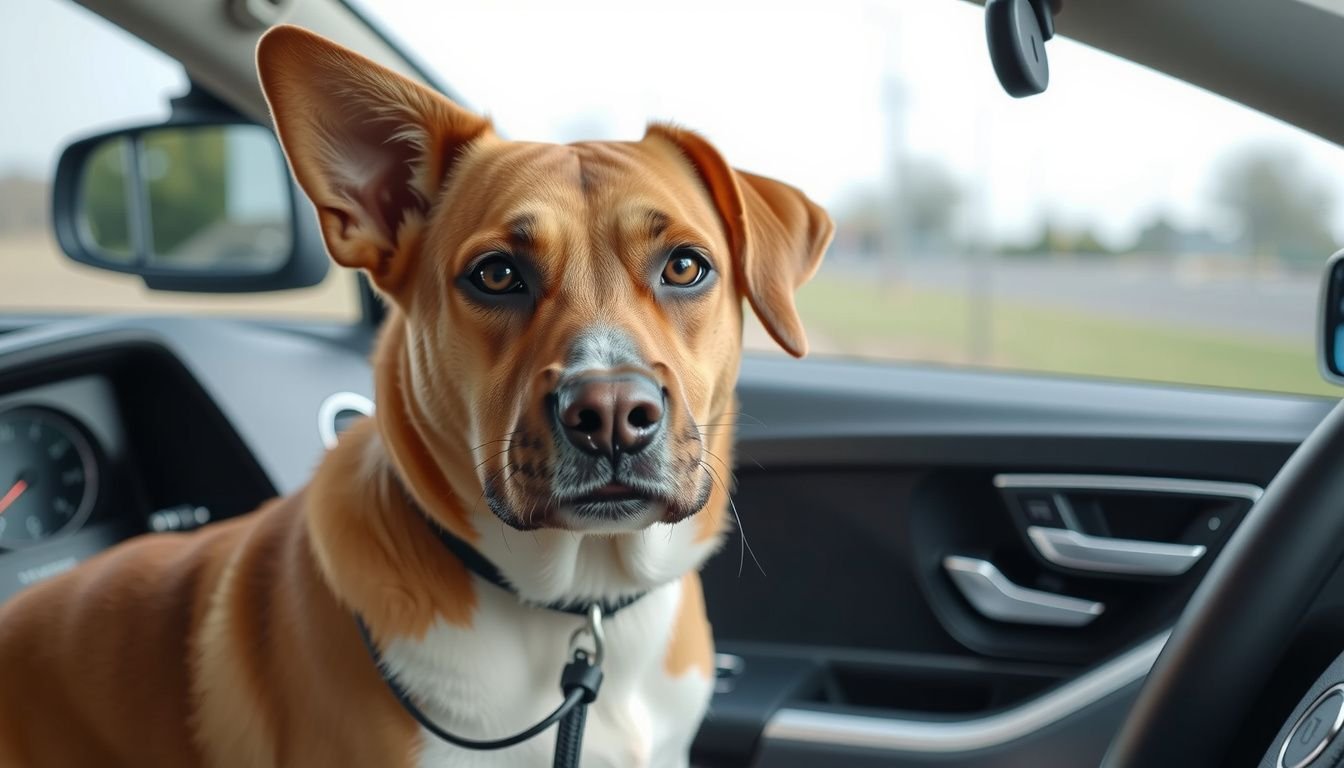
If you’ve ever thought, “why does my dog get car sick?” you’re definitely not alone. I remember my first road trip with my pup—excited, windows down, treats packed—only to find out she hated being in the car. That first mess in the backseat had me scrambling for answers.
As someone who’s navigated both the confusion and the clean-up, I want to share what I’ve learned about dog motion sickness and how I finally made car rides enjoyable for both of us. Let’s break down the causes, signs, and real solutions so you can help your furry friend feel better on the road. Ready to make travel less stressful?
Let’s get into it.
- Common in puppies but can affect any age
- Symptoms: drooling, whining, vomiting, restlessness
- Caused by motion, anxiety, or unfamiliarity
- Most dogs improve with practice and proper prep
- Vets can suggest medications if needed
Why I Started Asking: Why Does My Dog Get Car Sick?
The first time my dog got car sick, I was completely caught off guard. She seemed excited for the ride, but within a few minutes, she was drooling and whining. By the time we reached the park, she had thrown up all over her blanket.
That’s when I realized this wasn’t a one-off event. I needed to figure out what was happening, not just for her sake, but for my sanity (and my car’s interior). If you’re asking yourself the same thing, you’re already on the right path to helping your pup.
Spotting the Signs: How I Knew My Dog Was Feeling Unwell
My dog couldn’t tell me she was nauseous, but her body language spoke volumes. She would:
- Pace anxiously in the backseat
- Pant and drool more than usual
- Whine or whimper softly
- Refuse treats she normally loved
- Occasionally vomit, especially on longer rides
Recognizing these signs early helped me act before things got worse. If your dog shows any of these, they’re probably not just car-averse—they may actually be feeling sick.
Understanding the Causes of Dog Car Sickness
Here’s what I learned after some research (and lots of questions at the vet). Car sickness in dogs often comes down to three things:
- Inner ear development: Puppies, like kids, have developing balance systems, making them more prone to motion sickness.
- Anxiety: If your dog is nervous or associates the car with negative experiences (like vet visits), stress can trigger symptoms.
- Unfamiliar sensations: New smells, sounds, and the motion of the car can overwhelm some dogs.
Sometimes, it’s a mix of these factors. Understanding which one affects your dog most is key to finding the right solution.
My Dog’s First Car Ride: What Went Wrong
Our very first trip was a classic rookie mistake. I fed my dog a full breakfast right before we left. She was already a little anxious, and the bumpy road only made things worse.
Within ten minutes, she was drooling and looking miserable. The ride ended with a clean-up session and a guilty dog mom. I learned quickly: a full stomach plus nerves equals a recipe for car sickness.
How Stress and Anxiety Affect My Dog in the Car
Stress was a huge piece of the puzzle for us. My dog would start shaking as soon as we approached the car. Over time, I realized she linked the car to things she didn’t like (like vet visits or being left alone).
Her anxiety made her more sensitive to every twist and turn on the road.
Dogs pick up on our energy, too. If I was stressed about her getting sick, she sensed it. So, I started making the car a fun place—short rides to the dog park, favorite toys, and lots of praise.
That positive association made a big difference.
What My Vet Told Me About Motion Sickness in Dogs
When I finally asked my vet, she explained that motion sickness is common, especially in puppies. The good news? Most dogs outgrow it as their inner ear matures.
For those who don’t, she suggested:
- Short practice drives to build tolerance
- Withholding food for a few hours before travel
- Trying natural remedies like ginger (with vet approval)
- Medications for severe cases
Having a professional’s perspective gave me peace of mind and a plan to move forward.
Simple Changes That Helped My Dog Feel Better
Here’s what actually helped my dog start enjoying car rides:
- Short and sweet trips: Gradually increasing trip length built her confidence.
- No big meals before rides: I wait at least 3 hours after feeding before we hop in the car.
- Fresh air: Cracking a window helped balance air pressure and reduced nausea.
- Comfortable restraint: A secure harness kept her facing forward and minimized motion.
Small tweaks, big results. We started to see real progress after just a week of these changes.
Treatments and Remedies I Tried for Car Sickness
I wanted to avoid medication if possible, so I started with natural options:
- Ginger treats (approved by my vet)
- Adaptil calming sprays and collars
- Her favorite blanket from home for comfort
When her symptoms didn’t fully resolve, the vet prescribed a medication for longer trips. It worked wonders and didn’t make her drowsy. Every dog’s different—what worked for mine might not be right for yours, so always check with your vet.
Tips That Finally Worked for Happier Road Trips
Here’s my go-to checklist for a smooth trip:
- Start with the shortest rides possible—sometimes just around the block
- Offer praise and tiny treats after each ride
- Keep the car cool and well-ventilated
- Never scold for accidents—stay calm and patient
- Pack cleaning supplies just in case (trust me, you’ll thank yourself)
After a few weeks, my dog went from dreading the car to hopping in on her own. Consistency and patience really paid off for us.
60-Second Recap
- Why does my dog get car sick? It’s usually a mix of motion, stress, and unfamiliarity, especially for puppies.
- Look for signs like drooling, whining, or vomiting.
- Gradual exposure, no big meals, and a positive attitude help most dogs adjust.
- Vets can recommend remedies or medication if needed.
- With patience and a few adjustments, car rides can become fun for both of you!