
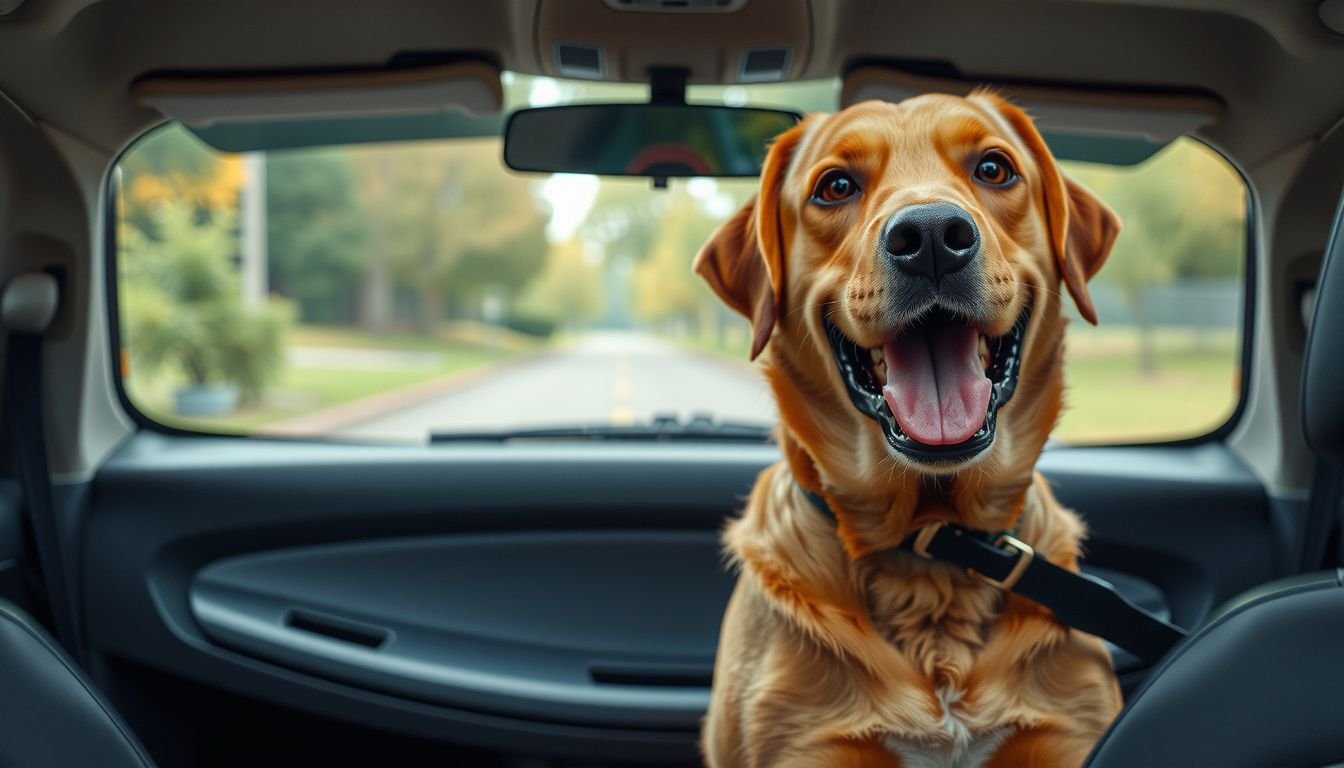
If you’ve ever wondered what to give car sick dogs, you’re not alone. My first road trip with my golden retriever was a mess—literally. I had no clue dogs could get motion sickness just like us.
After a few bumpy rides (and lots of paper towels), I dove into the causes, remedies, and safe foods for car sick pups. Now, I’m sharing what actually worked for my dog, so your travels can be smoother. Curious what you can safely offer your queasy canine?
Stick with me; I’ll walk you through the foods, natural options, vet advice, and my go-to comfort tricks. Let’s make car rides enjoyable for both you and your furry friend!
Why My Dog Gets Car Sick: Understanding the Causes
Most people are surprised to learn that car sickness in dogs is pretty common, especially in puppies. In my experience, it usually boils down to the inner ear—the part responsible for balance—not being fully developed yet. But even older dogs can get sick if they’re anxious, unfamiliar with car travel, or have a bad association from a previous ride.
Some triggers I’ve noticed include:
- Fast turns and sudden stops
- Strong smells or heat in the car
- Not enough ventilation
Understanding these root causes helped me adjust my approach and prep for smoother trips. Addressing both the physical and emotional factors made a world of difference for my pup.
Spotting the Signs: How I Know My Dog Is Feeling Sick
Before my dog actually threw up, there were warning signs I missed. Now, I watch for these early symptoms of car sickness:
- Excessive drooling
- Whining or crying
- Licking lips or gulping
- Yawning or pacing
- Sudden stillness or shivering
One memorable trip, my dog started drooling and licking her lips about ten minutes in. I realized if I caught these signs early, I could pull over, let her out for fresh air, and avoid a mess. Recognizing symptoms early really is half the battle.
Safe Foods and Treats I Give My Car Sick Dog
Choosing what to give car sick dogs can be tricky. I learned that an empty stomach made things worse, but a full one wasn’t great either. Here’s what worked for us:
- Plain boiled chicken or turkey – easy on the stomach
- Small piece of plain white bread or rice
- Prescription bland treats (from my vet)
I feed my dog a light meal 3-4 hours before the trip. No fatty, spicy, or new foods on travel days. Treats like freeze-dried chicken bites kept her distracted but didn’t upset her tummy.
Always check with your vet before introducing something new!
Natural Remedies That Have Helped My Pup
Want to skip meds? I tried these gentle, natural options with some success:
- Ginger – a tiny bit of ginger snap cookie (without xylitol), or ginger powder in her food
- Dog-safe calming chews with chamomile or L-theanine
- Lavender oil spray (on her blanket, not directly on her fur)
Ginger was surprisingly effective for my dog’s mild nausea. I started with a crumb-sized amount and watched her closely. Always check with your vet, especially with supplements.
Medications My Vet Recommended for Car Sickness
Sometimes natural remedies just aren’t enough. My vet suggested two main types of medication for car sickness:
- Cerenia (maropitant citrate) – a prescription anti-nausea tablet
- Dramamine (dimenhydrinate) – over-the-counter, but only with my vet’s dosing instructions
Cerenia worked wonders—my dog had zero side effects and no vomiting. I’d avoid giving human meds without clear guidance. Never self-medicate your dog; always get your vet’s approval first!
How I Prepare My Dog for Car Trips
Preparation was key. Here’s my routine before any long ride:
- Feed a light meal 3-4 hours before leaving
- Take a long walk to burn off energy
- Pack water, extra towels, and her favorite blanket
- Open car windows slightly for fresh air
By sticking to this checklist, my dog became less anxious and more comfortable. The more relaxed she was before the ride, the better she handled the trip.
Tips for Making the Ride More Comfortable
Over time, I found a few simple tricks to improve my dog’s car experience:
- Keep her harnessed or in a secured crate facing forward
- Avoid feeding right before the drive
- Frequent breaks on longer journeys
- Play soothing music or bring a familiar toy
For example, after switching my dog to a sturdy travel crate and playing soft music, she was much calmer. Making the environment predictable lowered her stress and reduced motion sickness episodes.
Mistakes I Made and What I Avoid Now
Honestly, I learned the hard way. Here’s what I avoid now:
- Letting my dog ride on a full stomach
- Allowing her to move freely in the car
- Ignoring signs of stress or nausea
- Using strong air fresheners
One time I let her sit in my lap. Big mistake—she got sick all over me and the seat. Now, she’s always in her crate, with just enough food to keep her comfortable, and we skip those scented car sprays.
When I Call the Vet: Knowing When to Get Professional Help
If your dog vomits every trip, refuses to get in the car, or shows extreme anxiety, it’s time to call your vet. Chronic car sickness can lead to dehydration or a negative association with travel.
I sought help when my dog started trembling and hiding at the sight of the car. My vet helped us with safe medication and behavior tips. Don’t wait—professional guidance can make all the difference for your pet’s comfort and health.
What This Means for You
Helping a car sick dog isn’t just about cleaning up messes; it’s about making travel safe and enjoyable for both of you. From choosing the right food to using natural or vet-approved remedies, a little planning goes a long way. Watch for signs, avoid common mistakes, and don’t hesitate to ask your vet for help if needed.
With patience and the right approach, you can turn dreaded car rides into adventures you both look forward to. Happy travels!