
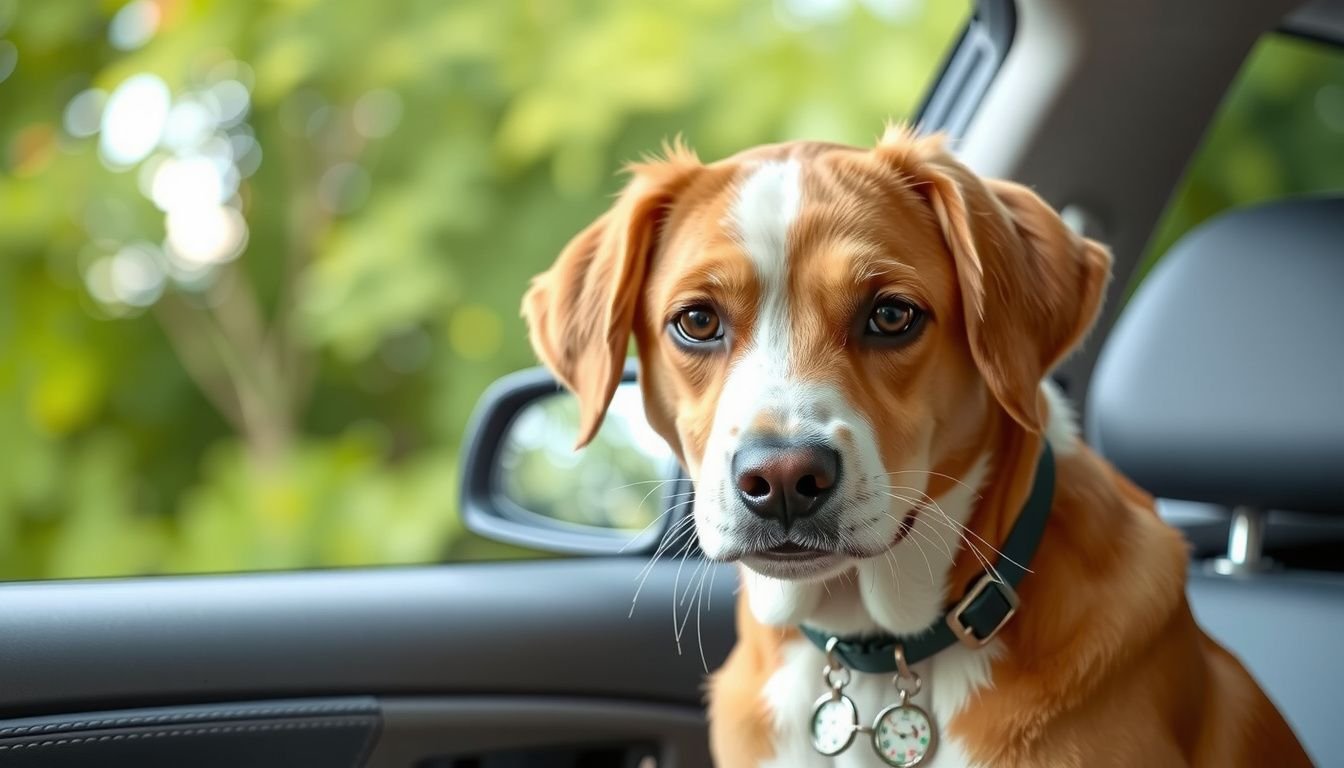
Ever found yourself frantically searching “what to give a dog for car sickness” right before a road trip? I’ve been there, trust me. My dog’s drooling and restlessness made every car ride stressful for both of us.
After years of trial, error, and guidance from professionals, I’ve learned what actually helps—and what’s just wishful thinking. I’ll share how I spotted the signs, what remedies and medications I tried, and the real-life tips that made all the difference. If you’re desperate for peaceful drives with your furry friend, you’re in the right spot.
Let’s make those car rides happier, together.
- Affects puppies and some adult dogs
- Causes: motion, anxiety, unfamiliarity
- Common symptoms: drooling, whining, vomiting
- Remedies: fasting, ginger, OTC meds, prescription meds
- Vet advice is crucial for chronic cases
Recognizing the Signs of Car Sickness in My Dog
At first, I thought my dog just didn’t like car rides. But after a few trips, I realized the issue was car sickness. Here’s what I noticed:
- Excessive drooling—like, puddles on the seat
- Whining and restlessness, especially as soon as the engine started
- Yawning, lip licking, and sometimes even vomiting
- Reluctance to get in the car
Understanding these signs early helped me respond faster. If your dog’s showing similar symptoms, it’s likely more than nerves—it’s motion sickness.
Why Some Dogs Get Car Sick (and Mine Did Too)
My vet explained that puppies are especially prone to car sickness because their inner ears (which control balance) aren’t fully developed. Some dogs outgrow it; others, like mine, don’t. Anxiety, unfamiliar car smells, and lack of exposure as a puppy can make it worse.
Breed, age, and individual temperament also play a role. I noticed my dog’s symptoms flared up on winding roads or long trips. Knowing the “why” helped me feel less frustrated and more focused on finding solutions.
Safe Home Remedies I Tried for My Dog’s Car Sickness
Before jumping to medications, I gave home remedies a shot. Here’s what worked best for us:
- Fasting: No food 2–4 hours before travel reduced vomiting.
- Fresh air: Cracking the window helped balance air pressure and reduced nausea.
- Ginger: Small amounts (like a ginger snap or a pinch of ginger powder in treats) seemed to settle my dog’s stomach.
- Comfort items: Bringing a favorite blanket or toy helped ease anxiety.
I always started slow, with short rides, to build up my dog’s tolerance. Not every remedy worked every time, but these small changes made a noticeable difference.
Over-the-Counter Options: What Worked for Us
When home remedies weren’t enough, I looked into over-the-counter (OTC) options. Here’s what my vet and I discussed:
| Remedy | How It Helped | Caution |
|---|---|---|
| Dramamine (Dimenhydrinate) | Reduced nausea and vomiting | Check dosage with vet |
| Benadryl (Diphenhydramine) | Calmed anxiety, made my dog drowsy | Can cause sedation; dosing critical |
| CBD chews* | Helped with mild anxiety | Unregulated; talk to vet first |
*CBD products are still being studied, so always check with your vet about safety and legality in your area.
Never give human medications without your vet’s advice. Dosage depends on your dog’s size, age, and health.
When I Consulted My Vet About Car Sickness Solutions
After a particularly rough road trip—picture me cleaning up dog vomit at a highway rest stop—I booked a vet appointment. My vet confirmed my dog’s car sickness and ruled out other health issues. She walked me through prescription options like Cerenia, which specifically targets vomiting and is FDA-approved for dogs.
For chronic or severe cases, your vet may suggest prescription anti-nausea meds, anti-anxiety meds, or even desensitization plans. I learned that what works for one dog might not work for another, so it’s worth having a personalized plan.
Tips That Helped Prevent My Dog’s Nausea in the Car
Prevention is half the battle. Here are the practical tips that made a real difference for us:
- Start with very short rides—just around the block—to build up tolerance.
- Always use a secure crate or harness. Facing forward helped my dog feel less dizzy.
- Keep the car cool and well-ventilated.
- Play soft music to create a calming environment.
- Take frequent breaks on longer trips for fresh air and bathroom breaks.
One time, I transformed a dreaded drive to the vet into a positive adventure by bringing treats and stopping at a fun dog park on the way. Associating car rides with good experiences really helped.
How I Make Every Car Ride Easier for My Dog Now
Consistency turned everything around. Before each ride, I follow a simple prep routine:
- No food for 3 hours before travel.
- Bring a favorite toy and blanket.
- Play calm music and keep the windows cracked.
- Reward my dog at the end of every trip—sometimes with a walk, sometimes with a treat.
I keep motion-sickness meds on hand (with my vet’s guidance) for longer journeys. These steps transformed car rides from a nightmare to something we can both handle—and sometimes even enjoy!
What This Means for You
If you’re struggling with a queasy pup, you’re not alone. Figuring out what to give a dog for car sickness takes patience, a bit of trial and error, and always a conversation with your vet. Small changes—like adjusting feeding times, making the car environment cozy, or using approved medications—can turn stressful trips into smooth adventures.
Most importantly, you and your dog deserve to enjoy the ride, not just the destination. Don’t give up—the right solution is out there for you both.
- 60-Second Recap
- Watch for drooling, whining, and vomiting as signs of car sickness.
- Puppies, anxious dogs, and those new to cars are most at risk.
- Try fasting, ginger, and familiar items first.
- Discuss OTC meds like Dramamine/Benadryl with your vet before use.
- Prescription meds are available for chronic cases.
- Prevention: short rides, facing forward, cool air, and positive associations.
- Consistency and your vet’s advice make all the difference.