
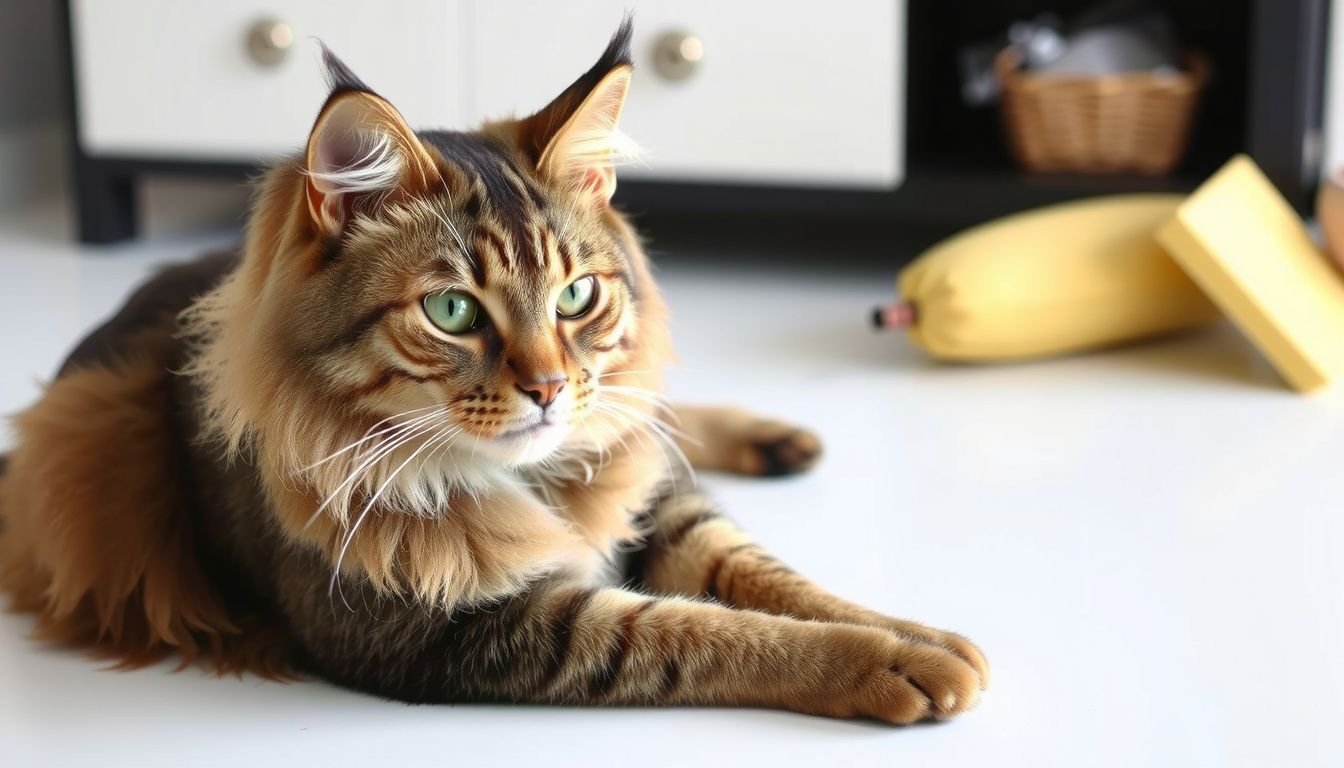
Learning how to care for a Maine Coon cat isn’t just about providing the basics—it’s about understanding their unique needs. Maine Coons are famous for their gentle personalities and stunning, thick coats, but they also require specific routines and attention. If you’re considering bringing one home or you’ve just adopted this majestic feline, you’ll want to ensure a comfortable, enriching life for your new companion.
This guide covers everything you need to know, from prepping your home and choosing the right food to grooming, enrichment, and health maintenance. Let’s get you set up for a rewarding journey with your Maine Coon, whether your cat is a playful kitten or a mellow adult.
Prepare Your Home for a Maine Coon Cat
Before your Maine Coon arrives, make your space both safe and inviting. These cats are large and curious, so you’ll need to evaluate your environment for hazards and comfort.
- Remove potential dangers: Secure toxic plants, cords, and small items they could ingest.
- Provide vertical space: Maine Coons love to climb. Invest in sturdy cat trees or wall shelves that support their weight.
- Set up cozy resting spots: Their size calls for larger beds and open lounging areas.
Practical example: One owner transformed a spare bookshelf into a multi-tiered cat haven. By anchoring it to the wall and adding plush mats, their Maine Coon found a favorite spot for both play and naps.
Pro tip: Use baby gates or closed doors to restrict access to rooms you haven’t cat-proofed yet. This helps prevent mischief as your cat explores.
Choose the Right Nutrition for Optimal Health
Feeding your Maine Coon properly supports their robust build and luxurious coat. Look for high-quality, protein-rich foods designed for large or long-haired cats.
- Opt for real meat: Ingredient lists should feature chicken, turkey, or fish as the first item.
- Balance fat and carbs: These cats can be prone to obesity, so avoid high-calorie fillers.
- Offer both wet and dry food: Wet food boosts hydration; dry kibble helps with dental health.
Adjust portion sizes as your cat grows. Kittens and active adults need more calories than seniors. Always provide fresh water—Maine Coons often prefer running fountains to bowls.
Common mistake: Overfeeding treats can quickly lead to weight gain. Use them sparingly, mainly for training or bonding.
Set Up a Grooming Routine to Manage Their Coat
Maine Coons have dense, semi-long fur that can mat if neglected. Regular grooming is essential for comfort and skin health.
- Brush 2-3 times per week: Use a slicker brush or wide-toothed comb to remove tangles.
- Check for mats: Focus on the belly, armpits, and behind the ears—these spots mat easily.
- Trim nails monthly: Their size can make accidental scratches more likely.
If your cat isn’t used to grooming, start slow. Offer treats and praise with each session. Over time, most Maine Coons enjoy the attention and routine.
Pro tip: Invest in a de-shedding tool during spring and fall shedding seasons. It’ll save your furniture—and your vacuum.
Maintain Litter Box Hygiene
Given their size, Maine Coons need a spacious litter box. Choose one with high sides and enough room for turning comfortably.
- Scoop daily: These cats are fastidious and may avoid a dirty box.
- Use unscented, clumping litter: Strong scents can put them off, and clumping types make cleaning easier.
- Clean the box weekly: Wash with mild soap and replace litter to control odor and bacteria.
Place the litter box in a quiet, low-traffic area. If you have multiple cats, provide one box per cat, plus one extra.
Common mistake: Skipping regular scooping. Even a day or two of neglect can lead to accidents outside the box.
Engage Your Maine Coon with Enrichment Activities
Maine Coons are intelligent and playful. Keep them mentally and physically active to prevent boredom and unwanted behaviors.
- Rotate toys: Offer a mix of feather wands, puzzle feeders, and balls.
- Encourage hunting instincts: Hide treats or kibble in interactive toys or around the house.
- Schedule playtime: A couple of 15-minute sessions daily keeps their minds sharp and bodies fit.
Try leash training for safe, supervised outdoor exploration—many Maine Coons love it. This extra stimulation helps manage their energy and deepens your bond.
Pro tip: Set up a window perch. Watching birds and nature provides hours of entertainment, especially if you live in an apartment.
Monitor and Support Your Cat’s Health
Regular veterinary care is crucial for your Maine Coon’s long-term well-being. These cats are generally healthy but can be prone to certain genetic conditions.
- Schedule annual checkups: Early detection helps with conditions like hypertrophic cardiomyopathy (HCM).
- Watch for subtle changes: Keep an eye on appetite, weight, and activity levels.
- Stay up to date with vaccines and flea prevention: Even indoor cats benefit.
If your Maine Coon is suddenly less playful or hiding more, reach out to your vet. Cats are experts at masking discomfort.
Keep a health journal or use a pet care app to track appointments, medications, and symptoms for quick reference.
Build a Strong Bond Through Socialization and Training
Maine Coons are highly social and often dog-like in their loyalty. Invest time in building trust and teaching basic commands.
- Introduce new experiences gradually: Start with gentle handling, then move on to meeting visitors or other pets.
- Use positive reinforcement: Reward good behavior with treats or praise.
- Teach simple tricks: Sit, come, and high-five are all within reach for these clever cats.
Be patient—some Maine Coons may be shy at first, but with consistency, they usually become outgoing companions. Training sessions double as bonding time, strengthening your relationship.
Practical tip: Clicker training works wonders, especially when teaching new behaviors or helping a rescue cat adjust.
What Readers Ask
How often should I bathe my Maine Coon?
Bathing isn’t needed unless your cat is visibly dirty or oily. For most Maine Coons, a bath every few months—or even less—is sufficient.
Are Maine Coons good with children and other pets?
Yes, they’re known for their gentle, tolerant nature. Supervise introductions, and teach children to handle them respectfully.
How do I prevent matting in their fur?
Brush their coat thoroughly 2-3 times a week and focus on prone areas like the belly and underarms to stop mats before they start.
What’s the best cat tree for a Maine Coon?
Look for a tree with wide, stable platforms and heavy-duty construction that supports at least 20 pounds. Avoid flimsy models.
You’re Ready
You’ve got a step-by-step plan for how to care for a Maine Coon cat. Focus on safety, nutrition, grooming, enrichment, and healthcare. Stay alert to changes in behavior and keep your routines consistent.
As you get to know your Maine Coon, you’ll discover their quirks and preferences—embrace them. With these strategies, your cat will thrive as a cherished member of your family. Start with one section at a time for a smooth transition and a happy, healthy companion.
Related read: How to Care for an Outdoor Cat: Step-by-Step Routine