
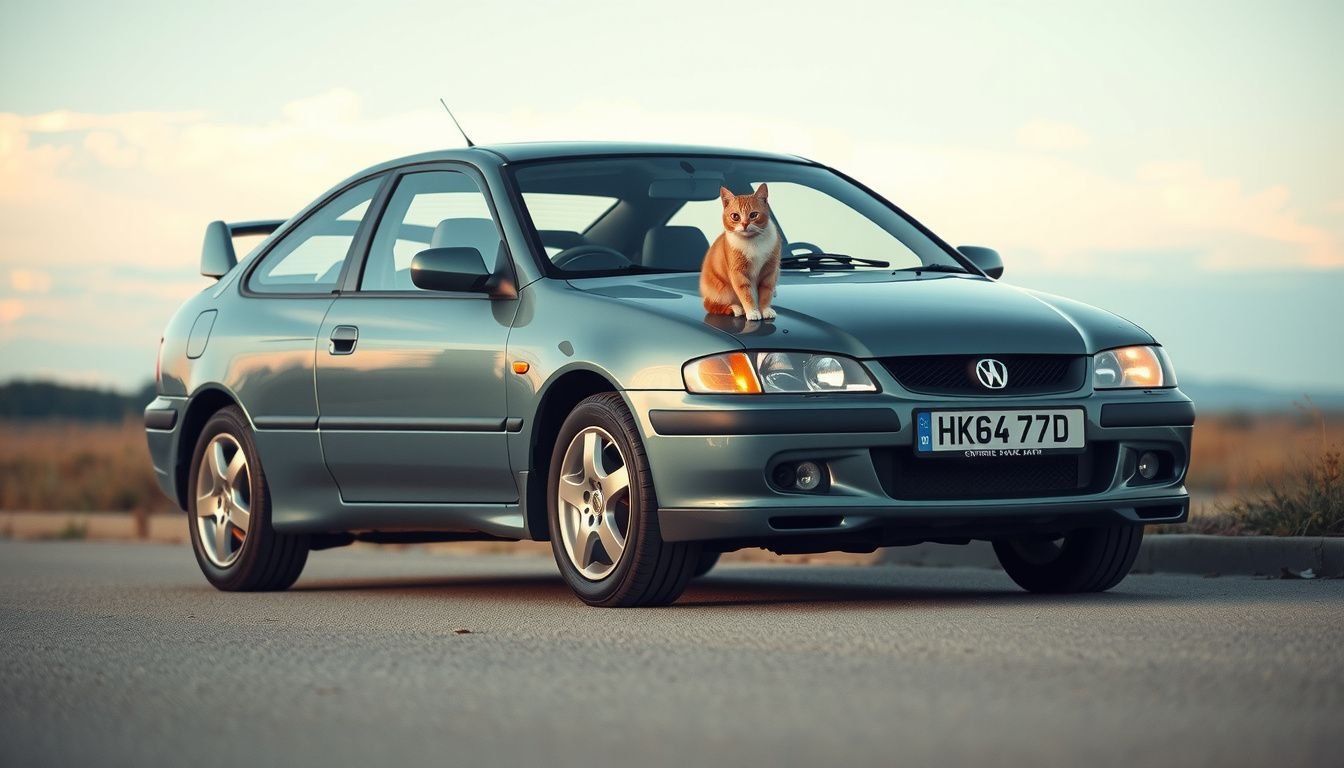
Ever heard someone say, “what does it mean when a car has cats?” and wondered if they’re talking about actual felines? Here’s the real scoop: in automotive circles, “cats” is short for catalytic converters. If you’re working on buying, selling, or maintaining a car, understanding this term matters.
You’ll see it in ads, hear it at the shop, and need to know what it means for your wallet and the environment. As a car owner or enthusiast, getting familiar with catalytic converters will help you keep your vehicle legal, efficient, and running smoothly. Let’s break down exactly what “cats” means, what these components do, and how you can spot and solve problems.
Ready to get clear answers? Let’s dive in.
Introduction: Decoding the Phrase ‘Car Has Cats’
When someone tells you a car has cats, they’re not referring to animals hiding under the hood. It’s shorthand for catalytic converters being present and functional in the vehicle. This phrase is common in online listings and mechanic conversations, especially when discussing emissions or legality.
If you see “car has cats” in a for-sale ad, it usually means the car still has its original emission control devices. This can be a selling point, as some cars have their catalytic converters removed—often illegally—for performance or resale value. So, when you hear this phrase, think emissions equipment, not pets.
What Are ‘Cats’ in Automotive Terms?
In auto lingo, “cats” refers to catalytic converters—essential components in modern vehicles’ exhaust systems. Every gasoline-powered car built after the mid-1970s has at least one. The catalytic converter’s job is to reduce harmful emissions by converting toxic gases into less harmful substances before they exit your tailpipe.
When a mechanic says your “cat is bad,” they mean your catalytic converter isn’t working right. Knowing this term helps you communicate better with professionals and understand what’s under your car’s hood.
How Catalytic Converters Work in Your Vehicle
Your car’s catalytic converter is like a chemical filter. As exhaust gases pass through it, precious metals inside—like platinum, palladium, and rhodium—trigger chemical reactions. These reactions turn harmful pollutants such as carbon monoxide, hydrocarbons, and nitrogen oxides into less dangerous carbon dioxide, water vapor, and nitrogen.
This process starts as soon as your engine reaches operating temperature. For example, if you notice a rotten egg smell or your check engine light comes on, your “cat” might not be doing its job, leading to dirtier emissions and possible performance issues.
Why Your Car Needs Catalytic Converters
Catalytic converters aren’t optional—they’re legally required for most vehicles on the road. They play a crucial role in reducing air pollution and keeping your car compliant with emission standards. If your car doesn’t have cats, you risk failing inspections, facing fines, or even being unable to register your vehicle.
Besides legality, catalytic converters help your car run more efficiently and reduce harmful exhaust fumes that contribute to smog and health problems. They’re an essential part of responsible car ownership—protecting both your wallet and the environment.
Signs Your Car’s Catalytic Converter Needs Attention
Watch out for these signs that your catalytic converter might be failing:
- Check engine light stays on
- Noticeable drop in engine performance or acceleration
- Sulfur or rotten egg smell from the exhaust
- Decreased fuel efficiency
- Rattling noises from under the car
If you spot one or more of these symptoms, don’t ignore them. A faulty catalytic converter can cause engine damage and increase emissions. Example: If your car struggles up hills and smells funny after driving, have your “cat” checked right away.
Common Issues Related to Catalytic Converters
Catalytic converters are tough, but they’re not invincible. Common problems include:
- Clogging from unburned fuel or oil
- Physical damage from road debris
- Overheating due to engine misfire
- Theft, as converters contain valuable metals
Clogged or damaged cats can trigger warning lights, reduce power, or cause your car to fail emissions tests. If you’re buying a used car, always ask if it still “has cats” to avoid unexpected repair costs.
Legal and Environmental Importance of Catalytic Converters
Driving a car without catalytic converters is illegal in most places. Laws require these devices to control harmful emissions, and removing or tampering with them can lead to hefty fines. Beyond the legal risk, catalytic converters help protect air quality.
They significantly reduce pollutants that cause smog and respiratory problems. Car owners who maintain their cats are doing their part for cleaner air and public health. Don’t risk a ticket—or your conscience—by skipping this vital equipment.
Maintenance Tips for Your Car’s Catalytic Converters
Keep your catalytic converters healthy with these simple steps:
- Fix engine misfires promptly—unburned fuel can ruin the cat
- Use the correct fuel and oil for your vehicle
- Address exhaust leaks quickly
- Have your emissions system checked during regular servicing
- Park in safe areas to avoid theft
Regular care extends the life of your cats and prevents costly repairs. Prevention is always cheaper than replacement, so stay proactive.
Frequently Asked Questions About Cars With Cats
- What does it mean when someone says a car “has cats”? They’re confirming the car still has its catalytic converters installed and functional.
- Can I drive without a catalytic converter? No, it’s illegal and harmful to the environment. You could face fines and fail emissions tests.
- How long do catalytic converters last? Most last 10+ years or 100,000+ miles with proper maintenance.
- Why are catalytic converters stolen? They contain precious metals like platinum, palladium, and rhodium, making them valuable to thieves.
People Also Ask
Is it illegal to remove a car’s cats?
Yes, removing catalytic converters is illegal in most regions and can result in fines or failed inspections.
How can I tell if my car’s catalytic converter is missing?
You’ll hear a loud exhaust noise, and your check engine light may be on. A visual inspection can confirm.
Does every car have catalytic converters?
Almost all gasoline vehicles made after the 1970s have at least one catalytic converter.
Can a bad catalytic converter affect performance?
Absolutely. A failing cat can reduce acceleration, increase emissions, and cause engine problems.
Final Summary
So, when you hear “what does it mean when a car has cats,” remember it’s all about catalytic converters—not furry stowaways. These crucial components keep your car street-legal and eco-friendly by slashing harmful emissions. Pay attention to warning signs, maintain your cats, and never remove them.
Staying informed protects your car, your wallet, and the air you breathe. If you’re buying, selling, or just taking care of your ride, knowing about catalytic converters will always put you ahead.