
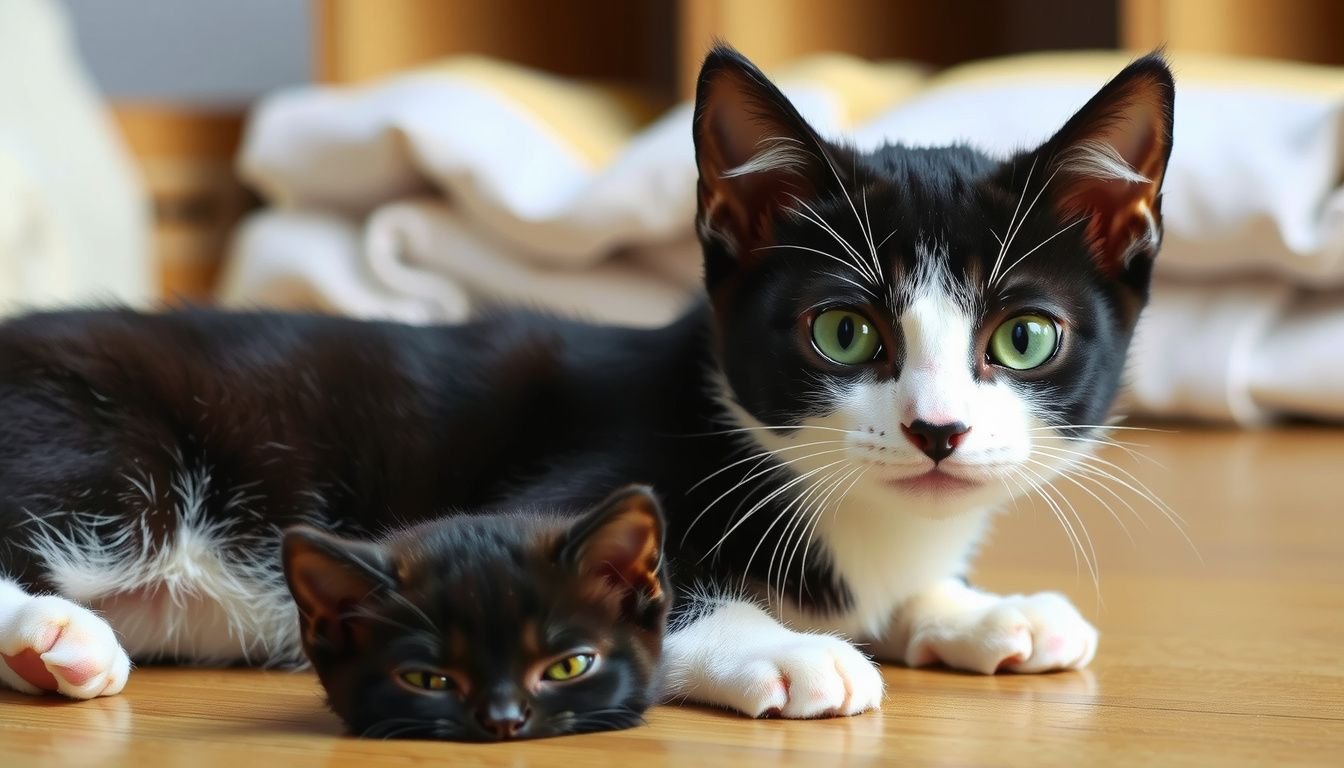
Ever wondered, do male cats take care of kittens? You’re not alone—many new cat owners ask this question when kittens arrive. While the nurturing instincts of female cats are well known, the behavior of male cats around kittens is less predictable.
As someone looking to create a safe, happy home for your feline family, understanding these dynamics is crucial. Here’s what the latest research and real-world experience reveal, plus practical tips to help you support your kittens’ development. Let’s get started so you can make the best choices for your pets.
Do Male Cats Naturally Care for Kittens?
Male cats, or toms, typically don’t have the same instinctive drive to care for kittens as mother cats. In the wild, toms often play little to no role in rearing young. Domestic male cats might occasionally show interest, but this isn’t guaranteed or rooted in natural parenting behavior.
Most toms don’t actively feed, groom, or protect kittens. Some may even ignore or avoid them completely. However, exceptions exist—especially if the male has been neutered young or socialized with kittens from an early age.
It’s rare for a tom to take on a nurturing “father” role, but some may show curiosity or tolerance.
So, while you might see the occasional affectionate male, don’t count on toms to fill the mom role. Always supervise their interactions, especially in the first few weeks.
How Male Cat Behavior Differs From Female Cats
Female cats (queens) have strong maternal instincts. They’re wired to nurse, groom, and defend their kittens. Male cats, on the other hand, lack these hormonal cues.
Their priorities are different, and their behavior can vary widely.
Key differences include:
- Grooming: Queens frequently groom kittens; males rarely do.
- Feeding: Only female cats nurse; males cannot.
- Protectiveness: Queens defend kittens; toms may be indifferent or even aggressive.
In some cases, neutered males may mimic nurturing behaviors, but this isn’t common. For example, a family’s neutered tom might occasionally play gently with kittens but steps back when they get too rambunctious.
Signs a Male Cat May Be Interested in Kittens
Some male cats show genuine curiosity or even mild affection toward kittens. Look for these signs:
- Sniffing or watching kittens closely but calmly
- Gently approaching or lying near the kittens without aggression
- Occasional playful gestures, such as slow tail movements or soft paw pats
- Allowing kittens to approach them without swatting or hissing
Interest doesn’t always mean nurturing—it may just be curiosity. If you see a tom grooming a kitten, consider it a rare bonus. Always gauge the adult cat’s body language for stress or agitation.
Potential Risks of Male Cats Around Kittens
There are real risks when introducing male cats to newborn or young kittens, especially if the tom is unneutered or not familiar with them. Some potential issues include:
- Aggression: Unneutered males may see kittens as competition or may be rough during play.
- Stress: The presence of a tom can stress a nursing queen or her litter.
- Injury: Accidental swats or bites can harm fragile kittens.
Always supervise early interactions. Never leave a tom alone with kittens until you’re confident he poses no threat. Err on the side of caution—kittens are vulnerable, and not all toms are gentle.
Encouraging Positive Interactions Between Male Cats and Kittens
If you want your male cat to coexist peacefully with kittens, gradual introductions are key. Here’s how you can encourage positive interactions:
- Start with short, supervised visits.
- Watch both the male’s and kittens’ body language for signs of stress or aggression.
- Reward calm, gentle behavior with treats or praise.
- Separate them at the first sign of tension.
In one real-world example, a pet owner let her neutered male observe the kittens through a baby gate for several days. Once he showed relaxed interest, short visits increased until the group could safely interact under supervision.
When to Separate Male Cats From Kittens
Separation is necessary if you notice:
- Growling, hissing, or swatting from the male
- Excessive stalking or chasing
- Kittens acting fearful or hiding
- Any signs of injury or rough play
Never force interactions. If aggression persists, keep the kittens and tom in separate rooms until the kittens are bigger—usually at least eight weeks old. Early separation minimizes risk and lets the kittens develop safely.
What You Can Do to Support Healthy Kitten Development
Your best bet for raising healthy kittens is to provide a nurturing, stable environment. Here’s what you should focus on:
- Ensure the mother cat (if present) can care for the litter undisturbed.
- Offer warm, quiet, and safe kitten zones away from adult cats.
- Handle kittens gently and briefly to encourage socialization.
- Monitor any male-feline interactions closely and step in if needed.
- Schedule regular veterinary check-ups for all cats.
Remember, your involvement makes the biggest difference in kitten health and behavior, not the presence or absence of a male cat.
What Readers Ask
Do male cats ever kill kittens?
While rare, unneutered male cats may harm or kill kittens, especially if they don’t recognize them as part of their group. Always supervise early interactions.
Can a male cat bond with kittens?
Occasionally, neutered or well-socialized males may bond with kittens, showing interest or even gentle play. Bonding isn’t common, but it’s possible with individual personalities.
Should I let my male cat meet newborn kittens?
Wait until kittens are at least a few weeks old and the mother is comfortable. Always supervise and limit early introductions to short, calm sessions.
Will my male cat help raise orphaned kittens?
Most toms won’t help raise or nurture orphans. You’ll need to provide feeding, warmth, and care yourself. Some males may show curiosity but not parental behavior.
The Bottom Line
So, do male cats take care of kittens? In most cases, male cats are indifferent or only mildly interested in kittens, especially compared to attentive mother cats. Their role is unpredictable—some may tolerate or even play with kittens, but active nurturing is rare.
Your careful supervision, positive reinforcement, and safe environment are what truly ensure kitten well-being. Trust your instincts, watch for warning signs, and remember: a little vigilance goes a long way when blending feline families.
Related read: How Do I Take Care of a Cat: Your Complete Home Guide